India’s currency and stock markets faced a major setback after escalating tensions in the Middle East triggered panic across global financial markets. The Indian rupee plunged past ₹92 per US dollar for the first time in history, while stock markets suffered heavy losses, wiping out nearly ₹9.7 lakh crore of investor wealth in just two trading sessions.
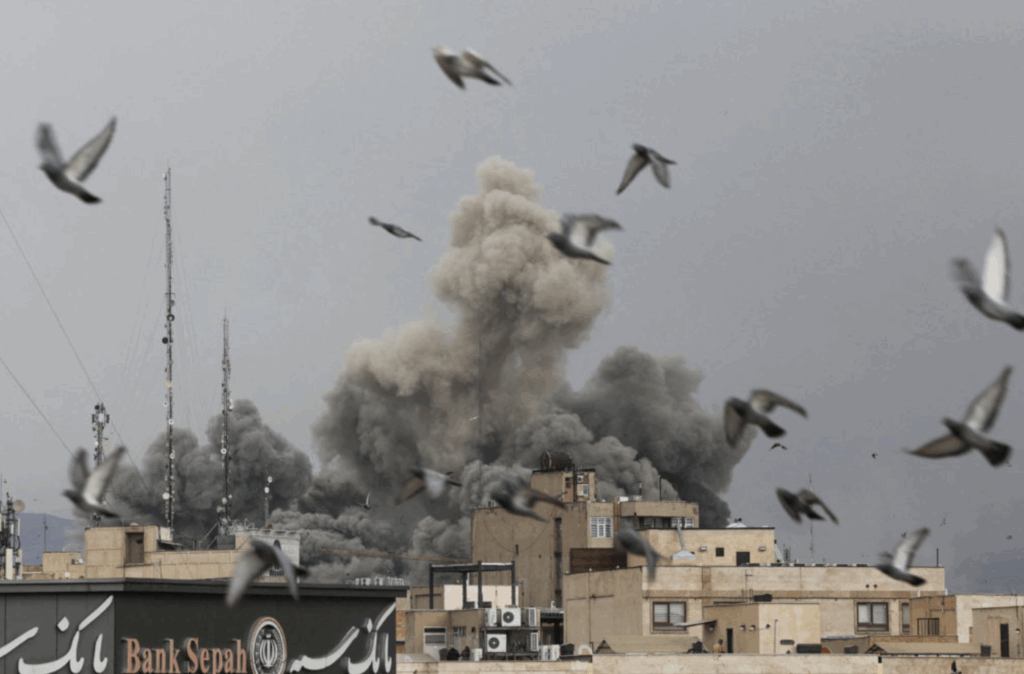
The sharp decline highlights how geopolitical crises can quickly impact financial markets and currencies worldwide.
Rupee Hits Historic Low
The rupee closed at around ₹92.16 per US dollar, marking its weakest level ever against the American currency. During trading, it touched an intraday low of approximately ₹92.35, reflecting intense pressure on emerging market currencies.
Forex traders said the decline was triggered by global risk aversion following the escalating conflict involving Iran. As uncertainty rose, investors moved their money into safer assets such as the US dollar, pushing emerging market currencies like the rupee downward.
Stock Market Sell-Off Wipes Out Wealth
The currency shock was accompanied by a sharp sell-off in Indian equity markets. Major indices including the Sensex and Nifty dropped significantly, leading to a loss of roughly ₹9.7 lakh crore in investor wealth.
Foreign institutional investors also sold large amounts of Indian equities, further accelerating the market decline.
Such sudden market reactions are common during geopolitical crises, when investors become cautious and pull funds from riskier markets.
Why the Iran Conflict Matters for India
The Middle East crisis has direct implications for India’s economy because the country depends heavily on the region for energy supplies.
More than half of India’s crude oil imports come from West Asia, making the economy sensitive to disruptions in the region.
As tensions rose, global oil prices surged, increasing fears of higher import bills, inflation and pressure on India’s trade balance. These concerns contributed to the rupee’s sharp fall.
Impact on Inflation and Economy
A weaker rupee can have several economic consequences. When the currency depreciates, imports become more expensive. This affects critical sectors such as:
- Crude oil and fuel
- Electronics and technology products
- Fertilisers and industrial materials
Higher import costs can eventually push up inflation and put pressure on government finances.
However, a weaker rupee can also benefit export-oriented industries, such as IT and pharmaceuticals, because their earnings in dollars convert into higher rupee revenues.
What Happens Next
Market analysts believe that the Reserve Bank of India (RBI) may intervene to stabilise the currency if volatility continues. Policymakers will also closely monitor oil prices and foreign investment flows.
Much will depend on how the geopolitical situation evolves. If tensions ease, markets could recover. But if the conflict expands, global financial markets — including India’s — may continue to experience turbulence.