The Central government has given formal approval to the Mumbai–Navi Mumbai Airport Metro, a transformative urban rail project pegged at around ₹18,000 crore. The corridor is expected to significantly enhance connectivity between Mumbai city and the upcoming Navi Mumbai International Airport (NMIA), providing a fast, reliable mass transit option for commuters and air travellers alike.
A Major Boost to Regional Connectivity
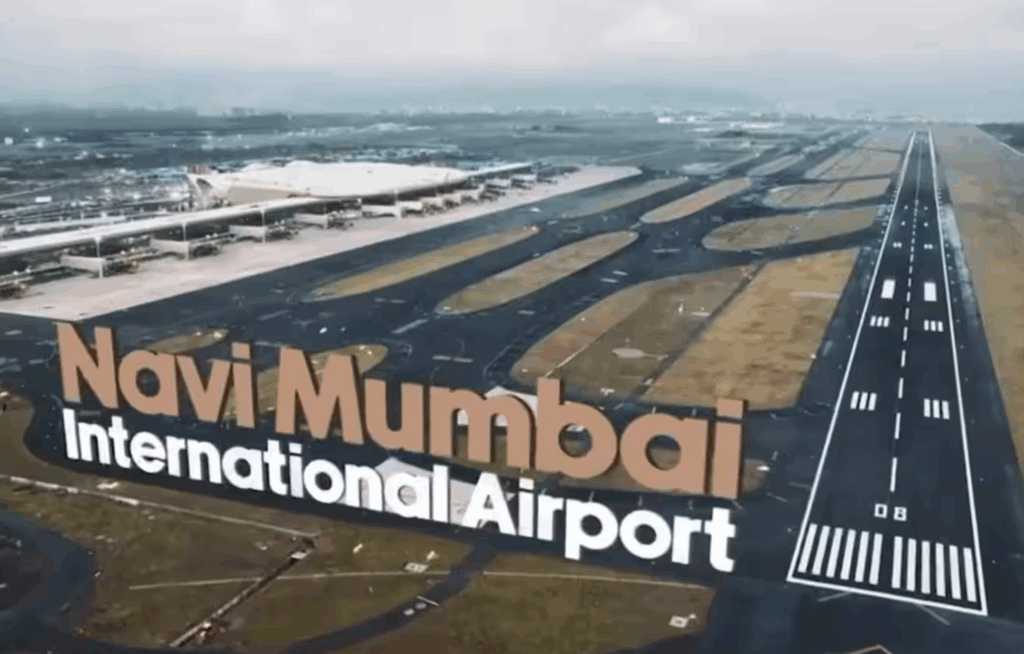
The metro line will link the heart of Mumbai with the new Navi Mumbai International Airport, improving transit efficiency while reducing dependence on road traffic. This improved connectivity is set to benefit daily commuters, airport passengers, and economic activity across the region. The project forms a critical piece of the larger transport ecosystem supporting the airport and surrounding urban zones.
Officials hope the metro will shorten travel times that are currently encumbered by highway congestion, particularly during peak hours. By offering a reliable rail connection, the metro aims to transform how people traverse the city and reach the airport from central and suburban Mumbai.
Cost and Funding Framework
The estimated project cost is about ₹18,000 crore. Funding will come from both the Central and Maharashtra state governments, with each contributor playing a strategic role in planning, execution, and future operations. Exact shares of funding and financing details are expected to be outlined in project agreements and successive clearances.
The investment reflects the scale and strategic importance of the metro corridor, indicating strong policy support for integrated urban mobility solutions that connect major economic hubs with key infrastructure like international airports.
Project Features and Alignment
The metro line is designed to connect major nodes across Mumbai and Navi Mumbai, culminating at the Navi Mumbai International Airport — an infrastructure project that has been in development for several years. The rail route is expected to be planned with a mix of elevated and underground sections, optimising travel speed and capacity while navigating dense urban areas.
This metro project complements other transport initiatives in the region, including local suburban networks, expressways, and potential high-speed corridors, creating a multi-modal mobility framework for passengers and industry alike.
Economic and Social Impact
Beyond travel convenience, the metro line is projected to have broader economic effects, including:
- Boosting employment during the construction and operational phases.
- Enhancing tourism and business travel convenience.
- Supporting real estate growth and urban development along the corridor.
Improved metro connectivity can encourage greater use of public transport, reduce carbon emissions tied to road travel, and improve overall quality of life for urban commuters.
Next Steps
With approval now in place, authorities will move forward with detailed engineering design, procurement, and tendering phases. Construction is expected to start in the near future, with phased implementation aimed at synchronising metro operations with the broader opening and activity ramp-up at the Navi Mumbai International Airport.
The Mumbai–Navi Mumbai Airport Metro project stands to become a cornerstone of the region’s transit infrastructure, linking India’s most populous metropolis directly to one of its major new aviation gateways.