India’s energy landscape is witnessing a significant shift, as Reliance Industries has reportedly procured 5 million barrels of crude oil from Iran following a temporary easing of US sanctions. This marks a major development in global oil trade and India’s energy strategy.
What Happened?
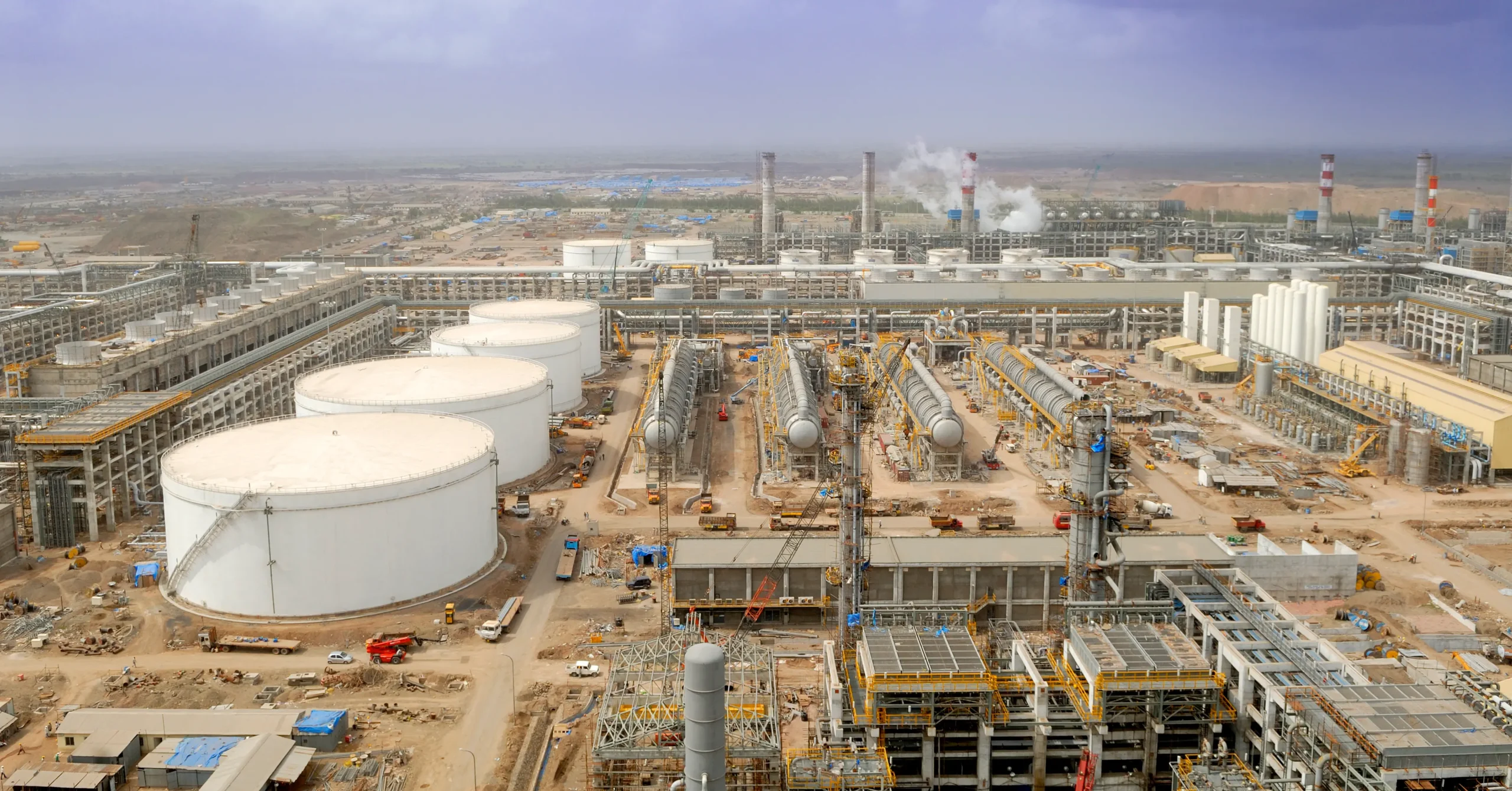
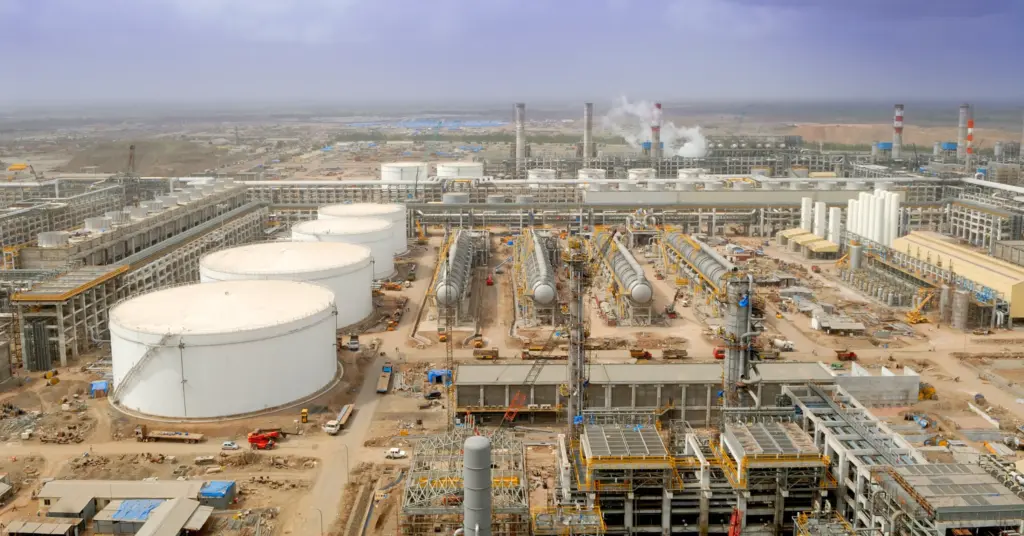
Reliance Industries, operator of the world’s largest refining complex, has purchased 5 million barrels of Iranian crude oil from the National Iranian Oil Company.
This comes after the United States issued a 30-day sanctions waiver, allowing countries to buy Iranian oil that was already in transit before March 20, provided it is delivered by April 19.
Notably, this is India’s first Iranian oil purchase since 2019, when imports were halted due to US sanctions on Tehran.
Why Now? The Role of the US Sanctions Waiver
The move was triggered by a temporary policy shift by the US to ease global oil supply pressures.
The waiver allows limited trade of Iranian oil already at sea
It aims to stabilize global markets amid rising crude prices
It provides a short window for countries like India to secure additional supply
However, the waiver is strictly time-bound, making this more of a tactical move than a long-term policy shift.
Why Reliance Took the Opportunity
Reliance’s decision appears strategic for several reasons:
- Supply disruption: The Strait of Hormuz crisis has severely impacted global oil flows, tightening supply.
- Rising prices: Crude prices have surged above $100 per barrel, increasing urgency to secure supply.
- Diversification: Indian refiners are looking beyond traditional sources like Russia and the Middle East
Interestingly, the Iranian crude was reportedly bought at a premium of about $7 per barrel over Brent, showing how tight the market currently is.
Not All Indian Refiners Are Following
While Reliance has acted quickly, state-run refiners remain cautious due to:
- Uncertainty around payment mechanisms
- Short duration of the waiver
- Risk of future sanctions
This suggests that large-scale resumption of Iranian oil imports is not guaranteed yet.
Impact on India’s Energy Strategy
This development could have broader implications:
- Signals a temporary return of Iranian oil to India
- Helps India manage short-term supply shortages
- Highlights increasing flexibility in global oil geopolitics
However, since the waiver is limited, this is likely a short-term tactical move rather than a permanent shift.
Bigger Picture: Energy Crisis Driving Policy Changes
The deal reflects a larger global reality—energy security is overriding strict geopolitical alignments.
With supply chains disrupted and prices rising, countries are increasingly taking pragmatic decisions to secure fuel, even if it means revisiting previously restricted sources.