The belief that endless scrolling through short videos which is quite normal these days is harmless downtime is challenged by a vast new scientific review.
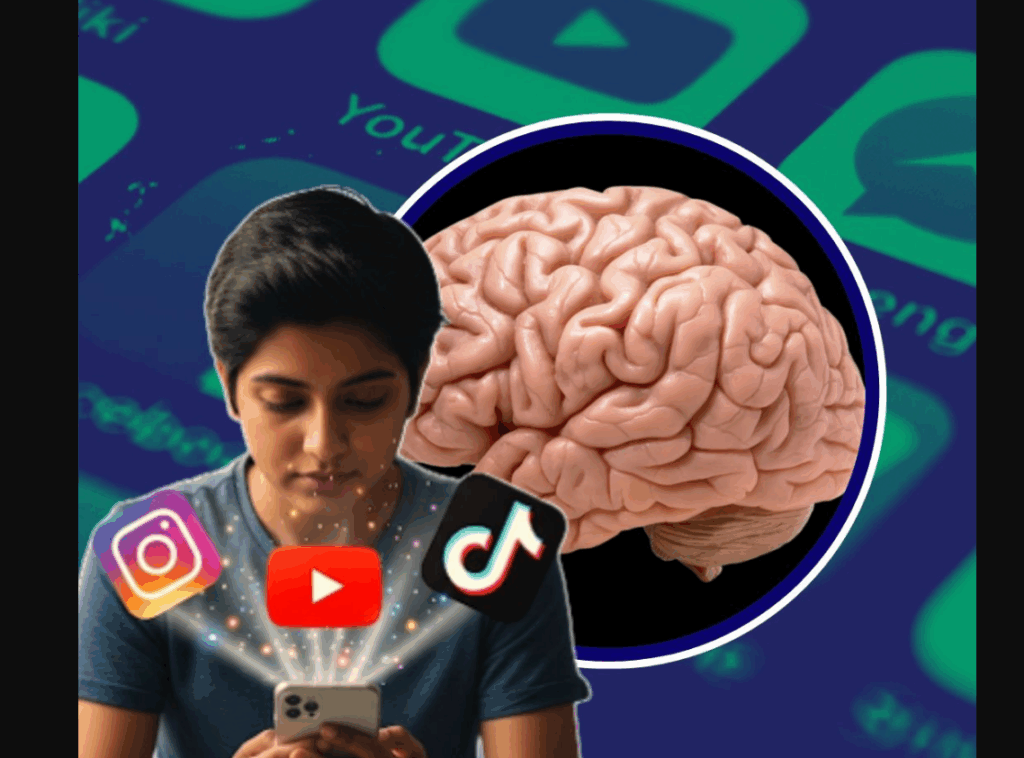
It appears that the bite sized clips which are presently dominating all the social media such as Instagram Reels, TikTok, and YouTube Shorts may be quietly reshaping attention, mood, and even sleep in ways we rarely acknowledge as mentioned in the latest analysis, highlighted in a UNILAD report.
Short Form Videos Triggering Poorer Attention Across All Age Groups
We can already witness that the short form videos have moved far beyond TikTok now and they are now dominating nearly every social platform.
Moving ahead, the scientists reviewed findings from 98,299 participants across 71 studies, covering both young people and adults to understand their impact.
The short form video features have transformed social media, extending from entertainment to education and advertising pointed out by the researchers.
That is not the only concern as their endlessly refreshing format is also linked with emerging health risks.
It appears that the higher consumption of short form videos is associated with poorer attention across all age groups as noted in the review while delivering a clear warning.
Be it teenagers or older adults, the heavy doomscrolling appears to weaken the ability to sustain focus, concentrate on tasks, and resist distraction.
The continuous swiping delivers frequent bursts of emotionally stimulating content that trigger dopamine release which creates a reinforcement loop that makes users crave more rapid novelty, leading to habitual scrolling and reduced cognitive endurance, explained the scientists.
Declining Mental Health, Affecting Sleep
This is much more dangerous than it appears as this analysis links high short form video use with heightened rates of depression, anxiety, stress, and loneliness.
For the users who spend long stretches scrolling often struggle to switch off and regulate emotions in offline situations.
The viewers feel more drained than entertained due to the emotional highs and lows offered by these videos.
Besides this, the study finds that bedtime scrolling can disrupt sleep quality beyond cognition and mood.
Moreover, the exposure to blue light from phones and tablets suppresses melatonin and serotonin, the hormones that help regulate sleep cycles.
Consuming short form videos close to bedtime is particularly linked with irregular sleep and restlessness noted in the report.
The heavier a person’s short form video consumption is, the more likely they are to experience declining attention and worsening mental health as concluded by the researchers.
All in all, doomscrolling Reels and Shorts is not just a harmless distraction rather it may be shaping the brain in ways we are only beginning to understand, the researchers acknowledged in their study.
In the meantime, the short form video culture is growing and these latest findings serve as a timely reminder to pause, look up, and reconsider how much of our day disappears into that endless swipe.