This Thursday, the Reserve Bank of India (RBI) introduced a series of amendments to its Know Your Customer (KYC) norms.
This initiative is mainly aimed at making customer onboarding faster, more flexible, and accessible across both digital and physical channels.
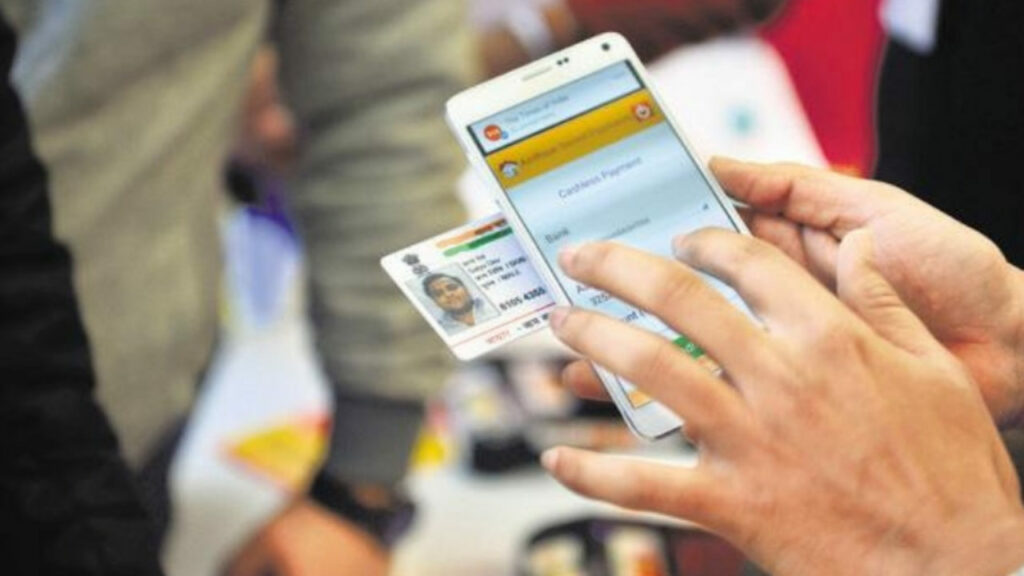
RBI Simplifies KYC Rules For Customer Onboarding
The central bank has laid out simplified procedures for onboarding customers using Aadhaar-based e-KYC, video KYC, and DigiLocker documents under the RBI (KYC) (Amendment) Directions, 2025.
The national regulator is intended to support inclusive banking and ease the process for first-time users, especially those joining through government schemes like DBT, EBT, and PMJDY, with this move.
So far, they are implying three key modes of customer onboarding, which includes
1. Face-to-face onboarding
Where customers can open accounts using Aadhaar biometric-based e-KYC. While doing so, if the current address differs from the Aadhaar address then a simple self-declaration is sufficient. Besides this, Digital KYC is also permitted in in-person setups.
2. Non-face-to-face onboarding (NFTF)
In this scenario, the customers can be onboarded remotely using Aadhaar OTP-based e-KYC, subject to specific conditions. Besides this, banks can also accept DigiLocker documents, e-documents, and certified paper copies for verification.
But they have made it compulsory for the accounts to be opened through NFTF and must complete full Customer Due Diligence (CDD) within one year.
3. Video-based Customer Identification Process (V-CIP)
In this, the V-CIP enables live, secure, consent-based video interaction with a bank official for identity verification.
It is almost as good as face-to-face onboarding and is valid for both account opening and KYC updates.
Additional Measures To Streamline The Process
They have introduced Central KYC Registry (CKYCR) integration by which the banks must use the CKYCR to fetch a customer’s existing KYC record with consent, avoiding the need for repeated document submissions.
In addition to this, the Business Correspondents are now authorised to assist in onboarding and KYC updates, increasing reach in rural and remote areas.
Besides this, the banks have been advised to take a lenient view while reactivating accounts opened under welfare schemes
Lastly, the regulatory body in the country has also asked banks to conduct special onboarding and KYC update camps.
They are also asked to run targeted awareness campaigns in rural and semi-urban areas to bring more users into the formal banking system.