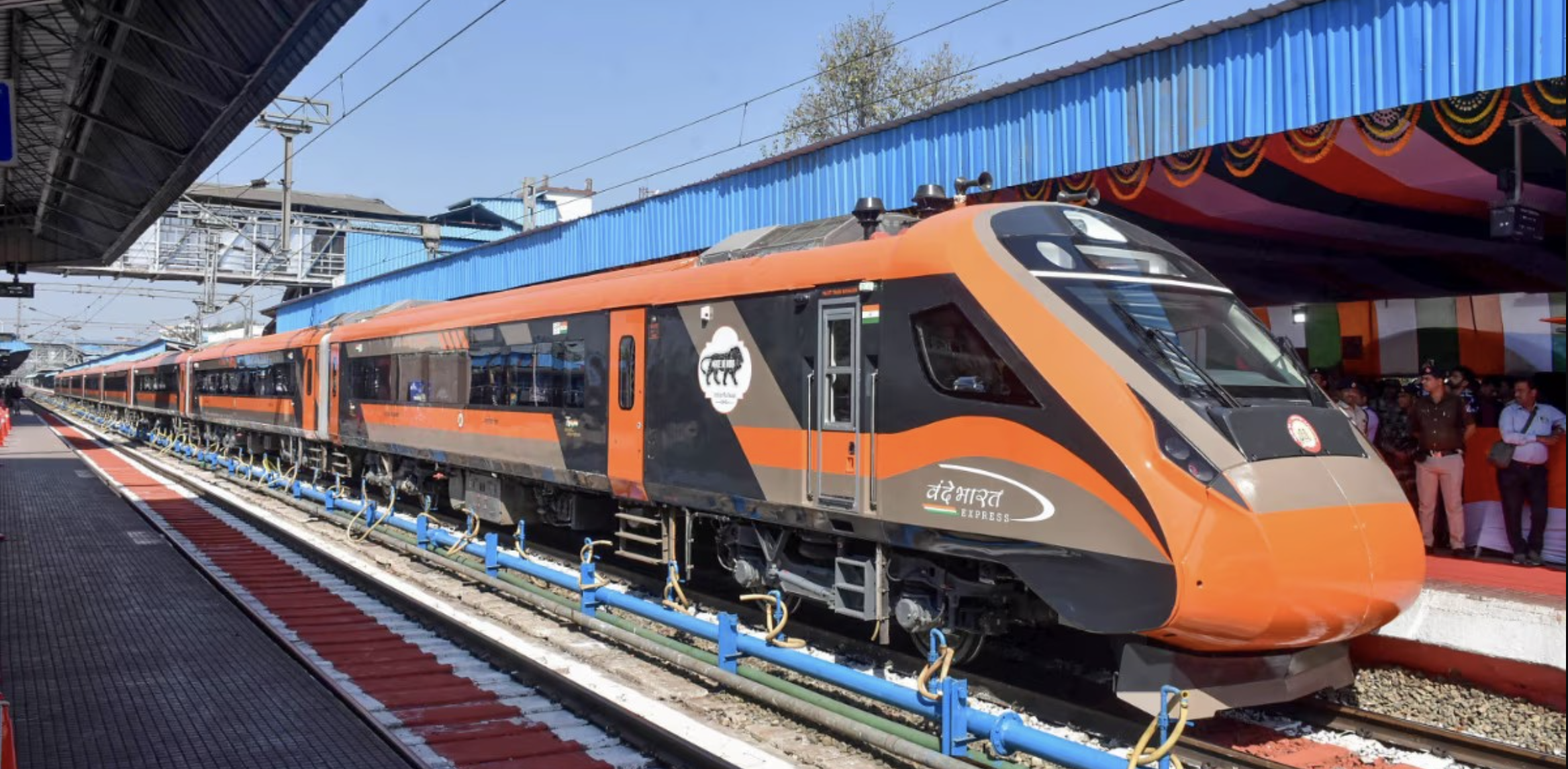
Travelers in India may soon have to pay for extra luggage on trains, as announced by the Railway Minister. The proposal aims to introduce charges for baggage exceeding standard limits on long-distance and express trains. The decision comes as part of Indian Railways’ efforts to optimise revenue, manage load constraints, and modernise its operational framework for passengers and freight alike.

Why the Change Is Being Proposed
Currently, Indian Railways allows passengers to carry luggage up to a certain weight free of cost, with excess items sometimes carried informally or without strict enforcement. With increasing pressure on train capacity and concerns over safety, revenue leakage, and logistical burdens, the railways believe a formal baggage charge system could help regulate the transport of excess goods more effectively.
According to officials, charging for extra luggage will:
- Encourage responsible packing and load management
- Generate additional revenue for the railways
- Reduce strain on onboard and station cargo handling
- Improve safety by reducing overloading risks
Authorities say the policy change is not intended to penalise travelers but to streamline operations and create clarity on baggage handling.
What Passengers Can Expect
Under the proposed framework, passengers will be allowed to carry a specified luggage limit as part of their ticket fare. Luggage beyond this threshold will attract an additional fee calculated based on weight, distance, and class of travel. The exact pricing structure is expected to be finalised after industry consultations and stakeholder meetings.
Passengers will likely be able to declare and pay for extra baggage at booking, at the station, or through the railways’ digital platforms. The system will aim to create a transparent process where travelers can anticipate charges and plan their luggage accordingly.
Impact on Travelers
For frequent long-distance travelers, especially those carrying household goods, sports equipment, or other bulky items, the new charges may require planning and budgetary adjustments. On the other hand, occasional travelers with normal luggage are unlikely to be significantly affected.
Industry experts also note that clear baggage policies could improve turnaround times at stations and reduce delays associated with unmanaged items.
Balancing Passenger Needs and Operational Efficiency
Indian Railways faces the twin challenge of serving millions of passengers daily while evolving into a modern, revenue-efficient transport system. Introducing baggage fees is seen as part of this broader strategy, alongside initiatives such as dynamic pricing, station redevelopment, and digital ticketing enhancements.
The railway ministry emphasises that passenger convenience will remain a priority, and systems will be designed to minimise inconvenience while ensuring fair charges for additional services.
What Comes Next
The railways will soon finalise the policy, tariff structure, and implementation guidelines. Once approved, the new baggage fee system could be rolled out in phases across long-distance and premium trains, eventually becoming part of the regular travel experience.