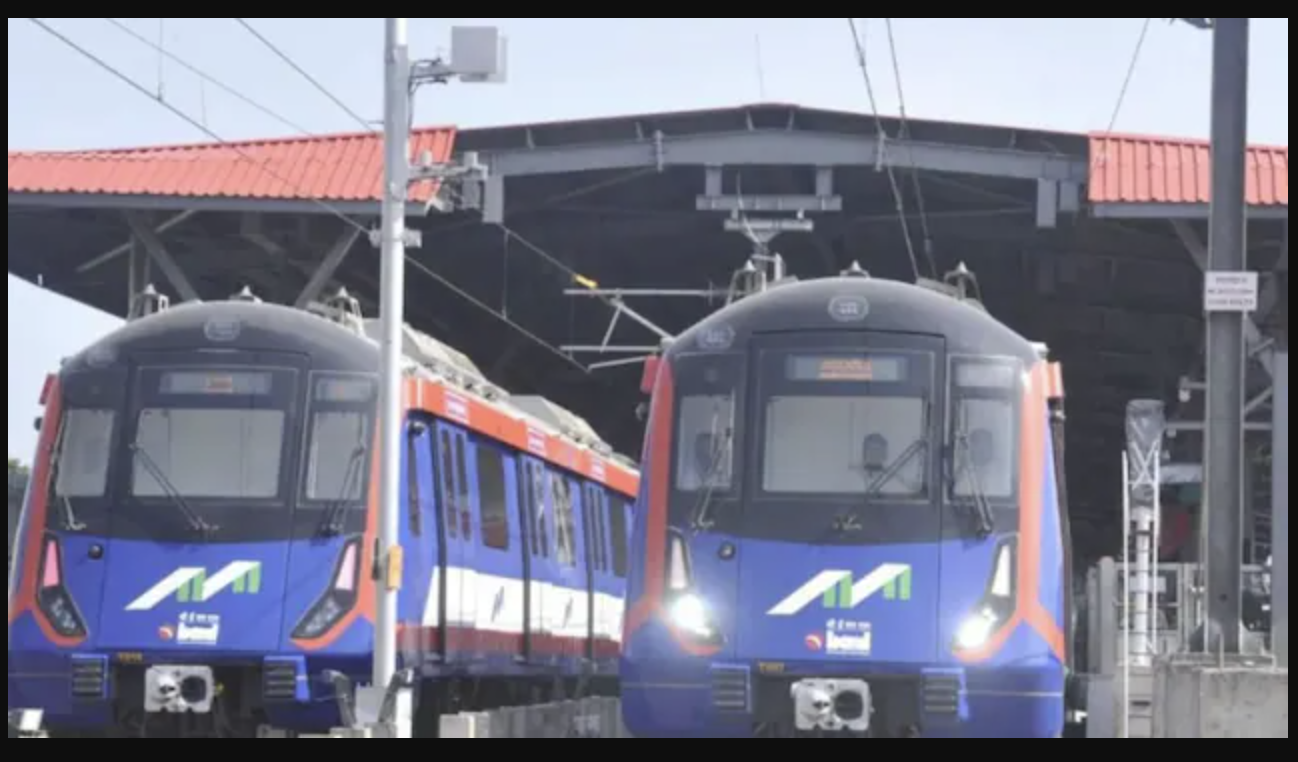
In a significant push toward strengthening Pune’s transport infrastructure, the Maharashtra Cabinet Infrastructure Committee has cleared two new Pune Metro routes at an estimated cost of ₹5.7 billion (₹570 crore). The newly approved corridors—Hadapsar to Loni Kalbhor and Hadapsar to Saswad Road Railway Station—will expand metro access to rapidly developing eastern Pune, where population growth and rising vehicle density have strained road networks.
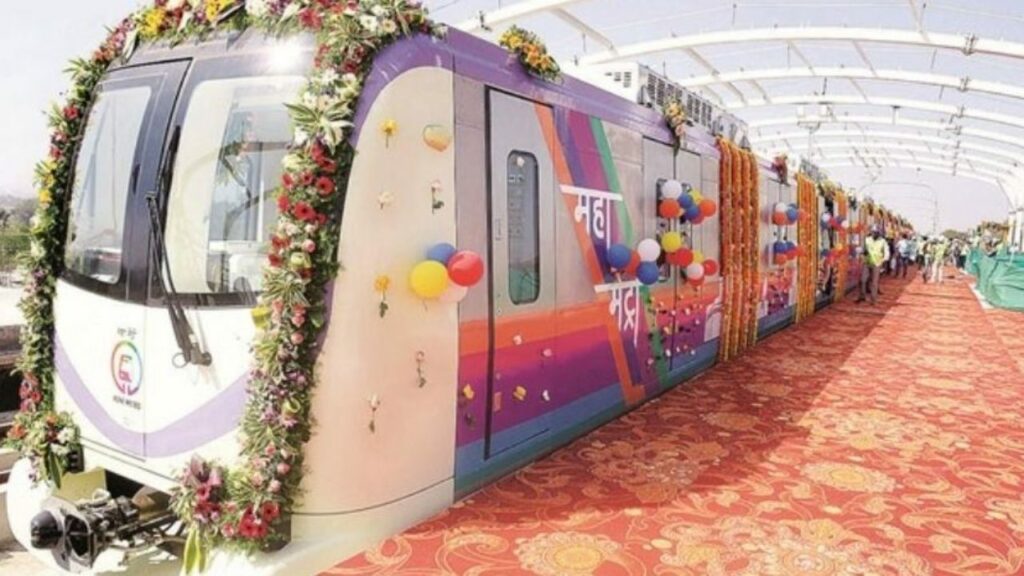
Details of the Newly Approved Corridors
The two sanctioned routes are part of Pune’s long-term metro expansion plan, aligned with the city’s ongoing transition into a major IT, manufacturing, and education hub.
The approved routes include:
- Hadapsar → Loni Kalbhor
- Hadapsar → Saswad Road Railway Station
Both corridors will improve accessibility for thousands of daily commuters who currently depend on congested arterial roads and unpredictable bus routes.
Why Eastern Pune Needs Metro Connectivity
Hadapsar has emerged as a major commercial and residential node, home to IT parks, industrial zones, and high-density housing. Meanwhile, Loni Kalbhor and Saswad Road serve as gateways to growing suburban and semi-urban communities that frequently travel to Pune for work, education, and trade.
Expanding metro connectivity in this belt will:
- Ease traffic on Pune–Solapur Highway
- Reduce dependency on private vehicles
- Improve last-mile integration with bus and railway stations
- Support planned urbanisation in fringe areas
The addition of these routes is expected to significantly cut commute times and reduce the burden on Pune’s overstretched road infrastructure.
Part of Maharashtra’s Larger Mobility Push
The approval fits into Maharashtra’s broader strategy to strengthen mass rapid transit systems across major cities, including Pune, Nagpur, Mumbai, and Nashik. The state aims to promote sustainable, high-capacity urban transport that reduces congestion and pollution while supporting economic growth corridors.
Recent metro expansions—including the completion of Pune Metro Phase 1—have already shown substantial positive impact on commuter movement patterns. These new extensions are expected to further improve the overall efficiency and reach of the city’s transit network.
Looking Ahead
Feasibility studies, alignment planning, and cost-sharing arrangements will be finalised in the coming months before construction begins. Once operational, the new routes will transform connectivity on the eastern corridor and bring metro access closer to thousands of households.