A proposed high-speed rail (HSR) project between Pune and Mumbai is attracting attention for its potential to dramatically reduce travel time between the two major cities of western India. According to recent reports, trains on this dedicated high-speed corridor could complete the journey in approximately 48 minutes, a huge improvement over current travel durations by road or conventional rail.
Why the High-Speed Corridor Matters
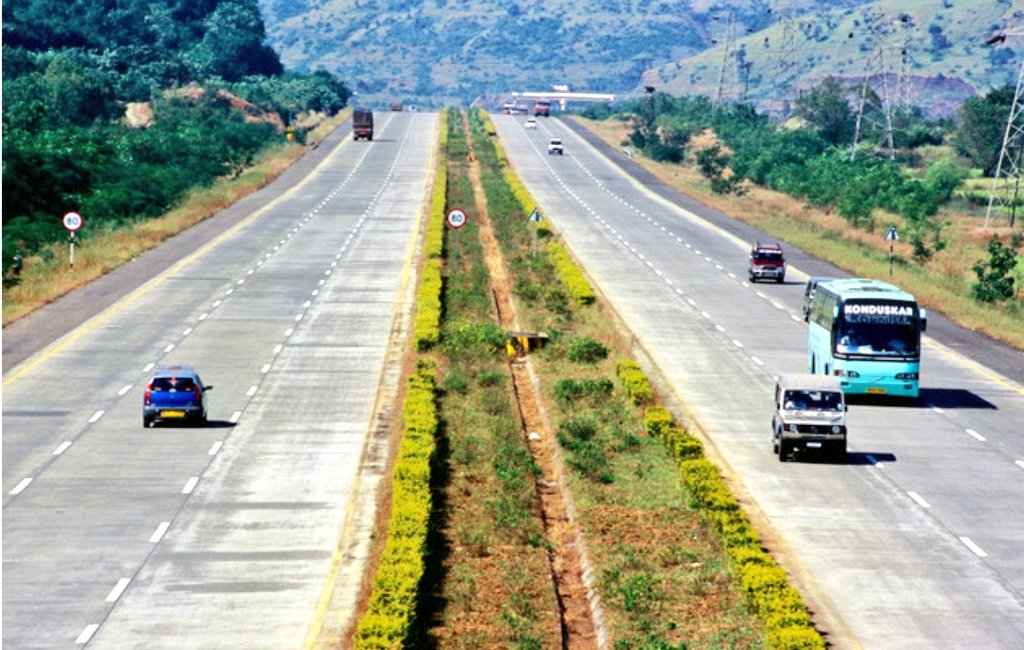
The existing links between Mumbai and Pune — including expressways and conventional rail — typically take 2.5 to 3 hours or more, depending on traffic and service type. The planned high-speed rail aims to create a dedicated route where specially designed trains can run at maximum speeds of up to 380 km/h, cutting trip times significantly and offering a fast alternative for commuters, business travellers and tourists alike.
Reducing travel time to under an hour could have wide-ranging benefits for people and commerce. It would make day-trips between the two cities far more feasible, support economic integration, and ease pressure on overcrowded roads such as the Mumbai–Pune Expressway.
Key Project Features
According to details shared in public reports:
- Dedicated high-speed rail corridor: A new rail line separate from existing tracks designed specifically for high-speed train operations.
- Top speeds up to ~380 km/h: These speeds are comparable to many high-speed trains internationally and enable significantly faster speeds than India’s current fastest trains.
- Journey time around 48 minutes: At peak speed, the train could cover the roughly 150-kilometre distance in well under an hour.
- Modern rolling stock: Trains would be built to stringent safety and comfort standards typical of high-speed rail systems.
The corridor could also include advanced signalling, noise-reduction technologies, and dedicated stations designed to support seamless passenger flows.
Potential Economic and Social Benefits
The high-speed rail project is expected to:
- Boost regional connectivity: Connecting two major economic hubs — Mumbai and Pune — more efficiently.
- Encourage economic development: More business, tourism and commerce with easier daily travel.
- Reduce congestion: Lower dependency on highways and existing busy rail services.
- Improve commuter convenience: Faster and more predictable travel for professionals, students and tourists.
If realised, the HSR line could be a game-changer for the region’s transport infrastructure and help decongest current modes.
Challenges and Next Steps
While conceptual details have been shared publicly, the high-speed rail project still requires comprehensive planning, funding approvals, environmental clearances and coordination among multiple government agencies. High-speed rail involves complex engineering, particularly for track alignment, land acquisition and safety systems.
The government and transport authorities will need to work out detailed feasibility studies, cost estimates and timelines before construction can begin.