In a major announcement that could transform India’s transportation landscape, Union Road Transport and Highways Minister Nitin Gadkari said that electric vehicle (EV) prices will reach parity with petrol vehicles within the next 4 to 6 months. The minister made this statement while speaking at the 20th FICCI Higher Education Summit 2025 on October 6.
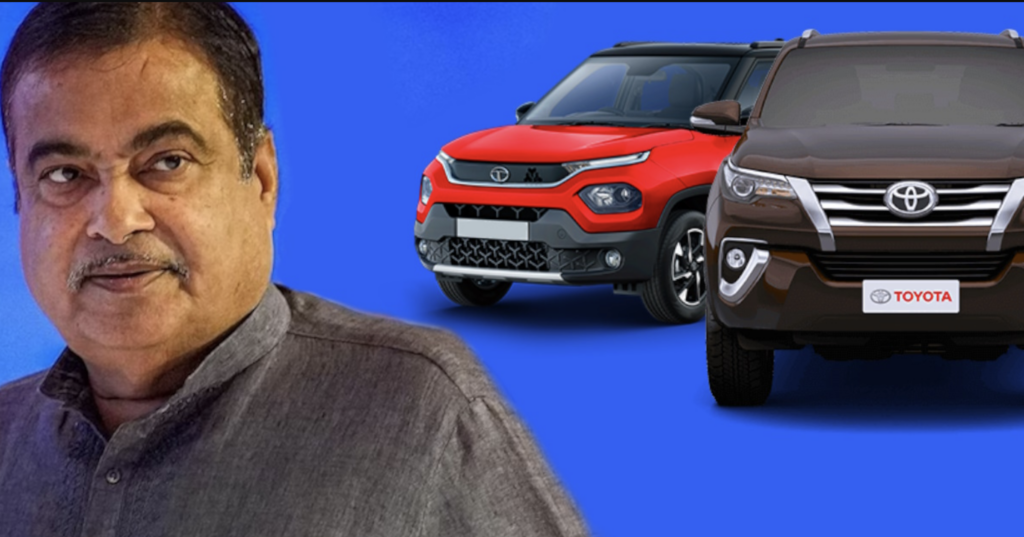
Gadkari emphasised that transitioning to clean energy is not just an environmental necessity but also an economic imperative, as India currently spends around ₹22 lakh crore annually on fuel imports. Reducing dependence on fossil fuels and accelerating EV adoption are crucial steps toward sustainable growth.
EV Revolution on the Horizon
“Within the next 4-6 months, the cost of electric vehicles will be equivalent to the cost of petrol vehicles,” Gadkari said, signalling a significant shift for the auto industry and consumers alike. Price parity has long been seen as the final barrier to mass EV adoption in India. Once achieved, it is expected to accelerate demand, improve infrastructure investment, and reduce the country’s carbon footprint.
Gadkari also outlined ambitious plans to make India the world’s largest automobile industry within the next five years. When he assumed office, the industry’s size was ₹14 lakh crore; today, it stands at ₹22 lakh crore, making India the third-largest automotive market after the U.S. (₹78 lakh crore) and China (₹47 lakh crore).
Green Growth and Rural Prosperity
Highlighting the success of India’s biofuel initiatives, Gadkari revealed that farmers have earned an additional ₹45,000 crore by producing ethanol from corn. He also announced plans to utilise all segregated solid waste for road construction by 2027, turning waste into valuable infrastructure material.
Education and Innovation for a Sustainable Future
The minister stressed the critical role of higher education and skill development in shaping India’s future. With a large pool of young and talented manpower, India must focus on equipping students with industry-relevant skills and practical knowledge. Institutions should integrate innovative technologies into their curriculum to prepare the workforce for emerging opportunities in clean mobility and green technologies.