India’s fuel pricing landscape has seen a selective shift, with Hindustan Petroleum Corporation Limited (HPCL) increasing the price of its premium “Power” petrol by ₹2 per litre. While this may appear like a minor revision, it reflects deeper global and economic undercurrents shaping India’s energy sector.
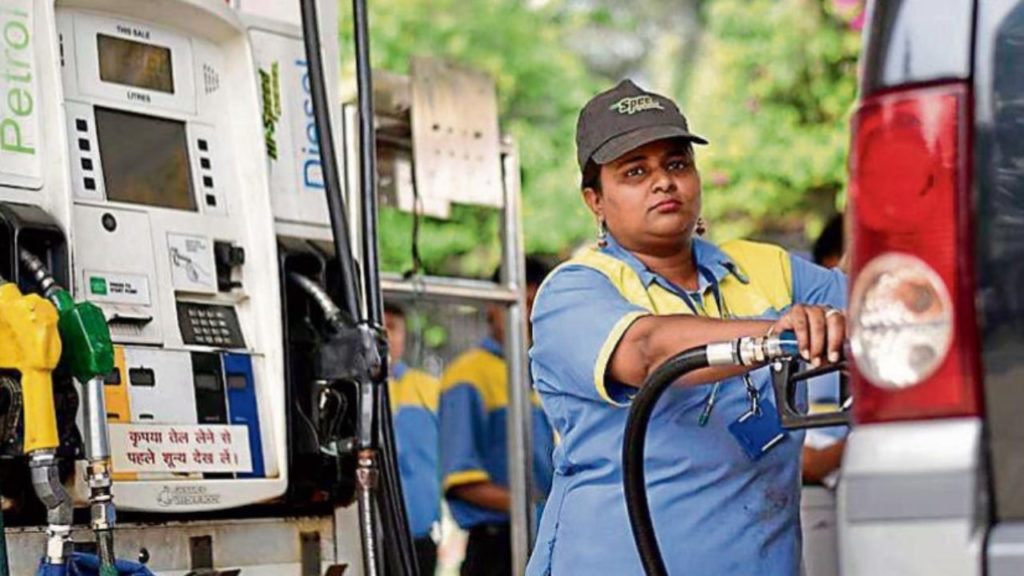
Premium Petrol Gets Costlier, Regular Fuel Unchanged
HPCL has hiked the price of its high-octane petrol variant by ₹2 per litre, effective immediately. Importantly, regular petrol and diesel prices remain unchanged, ensuring that the broader population is shielded from immediate cost pressures.
Premium petrol, often used in luxury and high-performance vehicles, constitutes a smaller share of overall fuel consumption. This allows oil companies to adjust pricing selectively without triggering widespread inflationary concerns.
Why Has HPCL Increased Prices?
The primary driver behind this hike is the surge in global crude oil prices, largely influenced by geopolitical tensions in the Middle East. Crude prices have crossed the $100 per barrel mark, increasing input costs for oil marketing companies.
Additionally, disruptions around key oil transit routes such as the Strait of Hormuz and rising logistics costs have added further pressure. These factors have compelled companies like HPCL to partially pass on the burden—but only to premium fuel users.
Government and Industry Response
Despite global volatility, the government and oil companies have maintained that there is no immediate disruption in fuel supply. HPCL has also urged consumers to avoid panic, confirming that additional cargo shipments are already on the way.
Interestingly, India remains relatively insulated compared to many countries where fuel prices have risen sharply in recent weeks.
Impact on Consumers
For the average consumer, the impact is minimal—for now. Since regular petrol prices remain stable, daily commuting costs are unaffected. However, users of premium petrol will experience a slight increase in fuel expenses.
More importantly, this move signals building pressure in the fuel ecosystem. If global crude prices continue to rise, broader price revisions could follow in the coming weeks.
A Strategic Pricing Move
The decision to hike only premium petrol prices appears strategic. It allows oil companies to recover some losses without triggering public backlash or inflation spikes.
However, it also serves as an early warning: global events are beginning to influence domestic fuel pricing again.