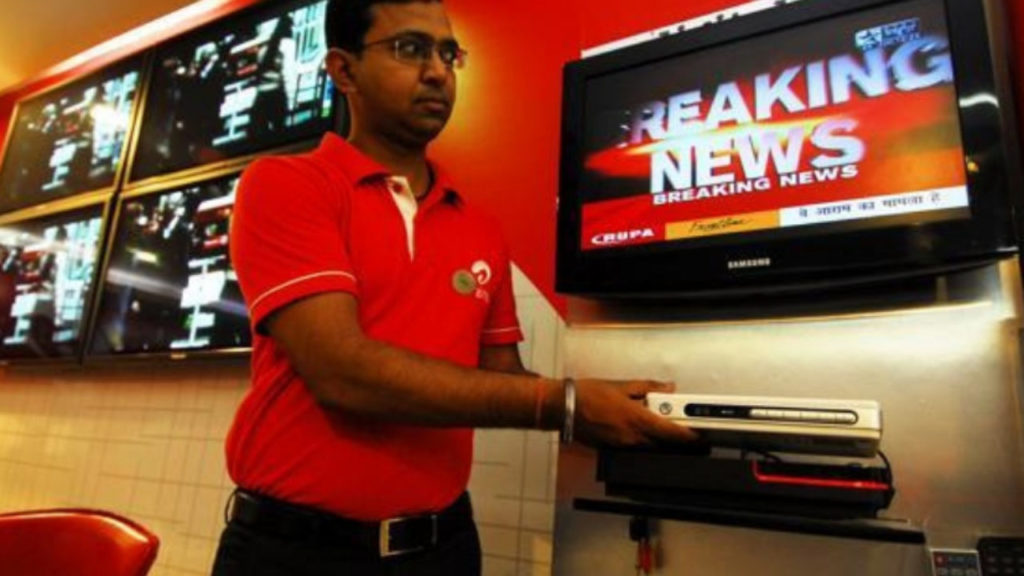
More than 50 television channels in India have surrendered their broadcast licences, reflecting a major shift in how audiences consume media. With over-the-top (OTT) platforms becoming increasingly popular, traditional TV broadcasters are re-evaluating the viability of linear television, especially in niche genres and regional markets where viewership has declined sharply.
Why TV Channels Are Giving Up Licences
The decision by dozens of channels to relinquish their licences points to broader trends in media consumption. Viewership patterns have shifted significantly over recent years, with more audiences turning to streaming services that offer on-demand content. This shift has been driven by factors such as:
- Mobile internet penetration across urban and rural areas
- Affordability of data plans and smart devices
- Preference for flexible viewing over scheduled programming
- Growth of original content on OTT platforms across languages
Channels that once attracted loyal audiences are now facing dwindling ratings, making it difficult to sustain operational costs tied to satellite transmission, production and licensing fees.
Impact On Broadcasters
For media companies, operating a television channel involves substantial overhead — from content creation and talent contracts to distribution costs. With advertising revenue declining as audiences migrate online, many broadcasters find it unsustainable to continue operating channels that no longer draw significant viewership.
Surrendering a licence is often a strategic choice to cut losses and reallocate resources toward digital platforms where audience reach and monetisation potential are growing. Some broadcasters may also redirect investments toward OTT apps, short-form video, social media programming and other digital ecosystems.
Broader Industry Trends
The mass surrender of licences underscores a deeper transformation in the media industry:
- OTT platforms are attracting premium content deals and exclusive rights
- Younger audiences increasingly prefer on-demand viewing over linear schedules
- Streaming services personalise recommendations, keeping users engaged longer
- Advertisers are diverting spend to digital channels where targeted ads yield better returns
This evolution is not limited to entertainment alone; even news channels and niche genre broadcasters are feeling competitive pressure from digital alternatives that can deliver tailored, region-specific content at lower costs.
What It Means For Viewers
For consumers, this trend reflects a broader shift toward choice and convenience. Instead of sticking to fixed broadcast times, viewers can watch content when and where they want. OTT platforms also offer multi-language libraries and personalised recommendations that traditional TV struggles to match.
However, there remains an audience segment that still values live broadcast — especially for real-time news, sports and cultural programming. The challenge for the media industry is to balance this legacy demand while expanding digital offerings.
The Road Ahead For TV And OTT
While the surrender of licences is a milestone, it does not signal the end of television in India. Instead, it highlights the convergence of media formats. Broadcasters are likely to innovate further, blending linear TV with OTT distribution, hybrid ad models, and cross-platform content strategies that meet evolving viewer preferences.
As technology and consumption habits continue to change, the media landscape will keep adapting — with content creators, platforms and advertisers all jockeying for attention in an increasingly digital world.