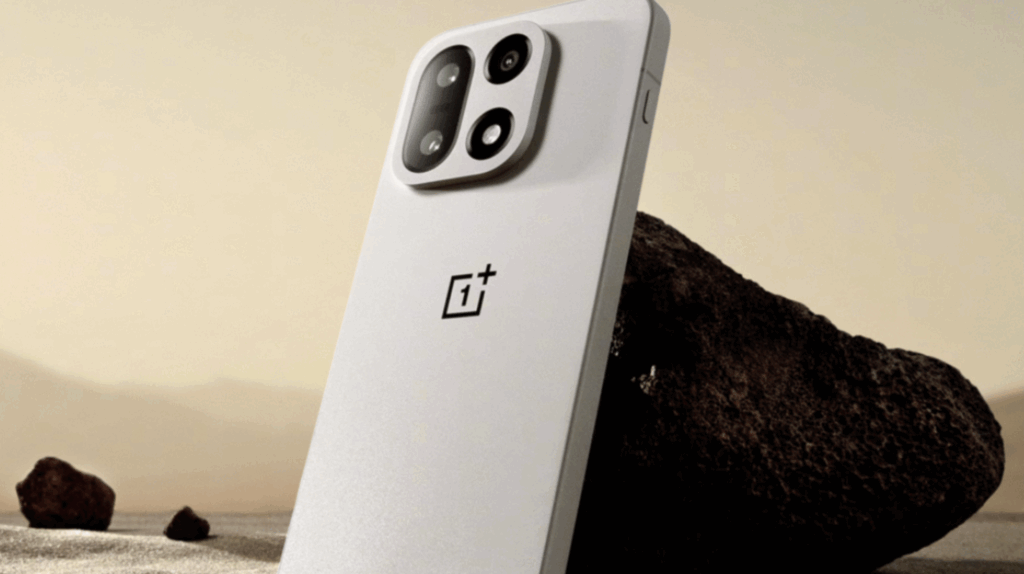
The OnePlus 16 is shaping up to be a significant generational update in the battery department. While the OnePlus 15 already moved beyond conventional lithium-ion cells, the next model is reported to adopt a Glacier Battery. This chemistry is designed to help increase energy density while reducing charging stress, a crucial advantage for modern performance smartphones.
What is a Glacier Battery?
The Glacier Battery is linked to silicon-carbon technology. Silicon-carbon blends allow higher energy storage compared to traditional graphite-based cells. They can also maintain better internal stability during discharge and high load scenarios. The result is a battery that can pack more runtime without increasing physical size, an important factor as flagships continue adding power-intensive features.
Expected Capacity Jump
Leaks indicate the OnePlus 16 could exceed the already large 7,300 mAh capacity seen in the OnePlus 15. A capacity anywhere in the 7,500 mAh and above range would push the device into class-leading territory for endurance. With displays moving to high refresh rates and greater AI offloading to local processing, the demand for larger batteries is rising fast.
Durability and Thermal Efficiency
One of the biggest constraints for large battery phones is heat buildup during fast charging and heavy usage. Silicon-carbon based packs generally handle thermal diffusion better, which can extend lifespan and reduce throttling impacts during gaming, photography, or multi-tasking. This also bridges the gap between battery longevity and charging speed, two factors that traditionally trade off.
Broader Hardware Expectations
Beyond the battery, the device is rumored to bring upgrades in camera hardware, including a high-resolution main sensor, and adopt the next-generation Snapdragon flagship chipset. Display improvements such as higher refresh rates and more efficient panels are also expected, although the company has not confirmed any details publicly.
Why It Matters
Battery life is now a competitive axis for premium smartphones. The move toward Glacier Battery architecture indicates a shift toward engineering maturity rather than just incremental capacity bumps. If confirmed, the OnePlus 16 would deliver better real-world consistency for users who rely on power-heavy applications such as gaming, video, communications, and AI workloads.