India implemented a series of important changes on 1 February 2026 that will affect daily life, costs and administrative processes for citizens across the country. These updates cover toll payments, tobacco prices, fuel costs and more — many tied to broader fiscal and policy reforms introduced around Budget 2026.

FASTag Rules Made Simpler
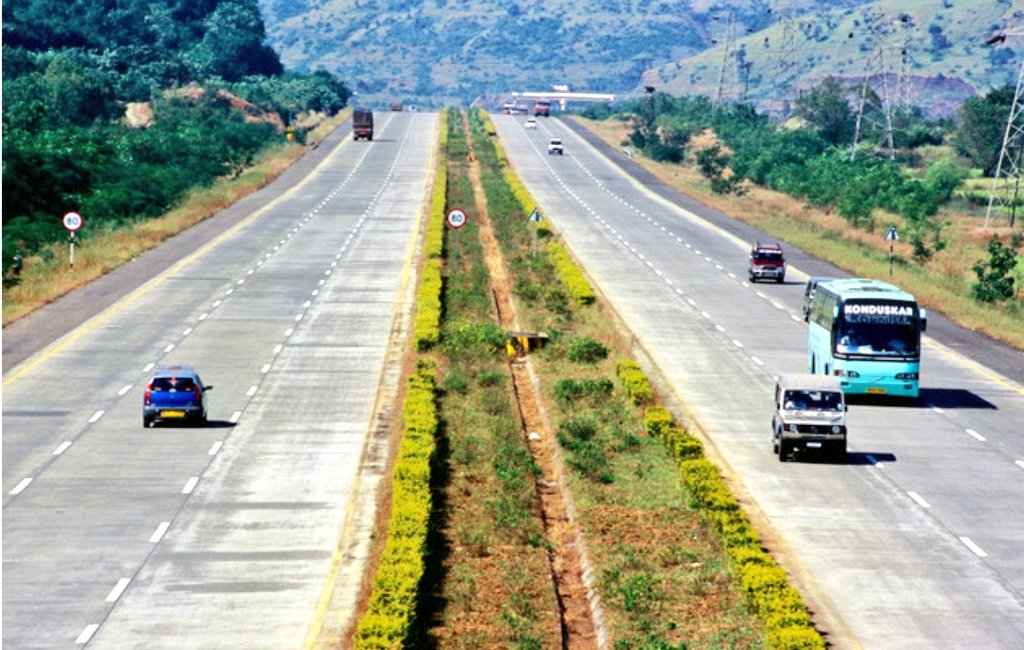
The FASTag system, India’s electronic toll payment mechanism, has been simplified to reduce paperwork and delays. The Know Your Vehicle (KYV) verification requirement for new FASTag issues for private cars, jeeps and vans has been eliminated. Banks issuing FASTags will now complete all necessary vehicle checks before issuing the tag, and for existing FASTags KYV will only be required if there are complaints or misuse issues. This change is expected to make toll activation and travel smoother for millions of road users.
Tobacco and Cigarette Prices Rise
A key cost change from 1 February is that prices of cigarettes and other tobacco products have increased due to higher excise duties and health-related cesses imposed by the government. This covers items such as filtered and longer cigarettes, gutkha, jarda and pan masala with tobacco. The new charges are on top of the existing Goods and Services Tax (GST) and are designed both to discourage tobacco consumption and enhance revenue. Products like bidis continue under lower tax slabs.
LPG, Fuel and Consumer Costs
In line with monthly pricing cycles, oil companies reviewed LPG cylinder prices on 1 February, which can impact household cooking fuel and commercial use. Commercial LPG cylinders have seen price adjustments, while domestic cooking cylinder prices stayed unchanged at the start of the month. Fuel price adjustments for CNG, PNG and aviation turbine fuel (ATF) were also anticipated, potentially influencing transportation and travel expenses.
Stock Markets Open on Budget Day
Although Budget presentations historically might influence market timings, for 1 February 2026 both the National Stock Exchange (NSE) and the Bombay Stock Exchange (BSE) operated during their regular hours (9:15 am to 3:30 pm), despite it being a Sunday. Trading volatility was expected as Finance Minister Nirmala Sitharaman presented the Union Budget 2026, with investors factoring in new policies and fiscal signals.
Broader Consumer Impact
Taken together, these changes illustrate the government’s effort to simplify digital payments and toll processes, discourage consumption of harmful products through higher taxes, and manage routine price reviews for key household essentials like LPG and fuel. For everyday citizens, this means easier travel procedures on highways, higher costs for tobacco products, and the need to stay aware of evolving pricing in energy and transport sectors.
Understanding these updates helps households and commuters adjust budgets and travel plans as India continues to implement wide-ranging economic and regulatory reforms.