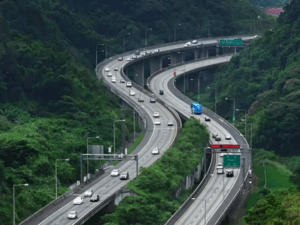
In a major move to improve transparency in toll collection, the Maharashtra government has announced a new digital toll monitoring system for key road projects around Pune, including the Hadapsar–Yavat road and the Talegaon–Chakan–Shikrapur highway.
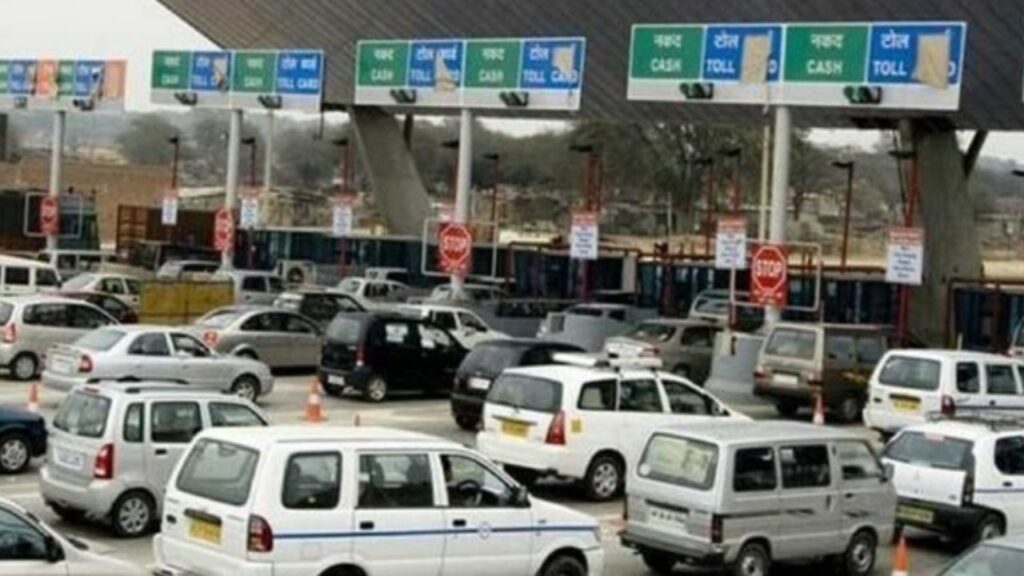
The system will make toll operations more accountable by enabling real-time tracking of vehicles and revenue at toll plazas.
How the New System Will Work
Under the new rule, toll operators will be required to:
- Share real-time data of every vehicle passing through toll booths
- Report exact toll amounts collected instantly
- Connect their systems directly with a government control room
This means that the moment a vehicle crosses a toll plaza, its entry and payment details will be recorded and visible to authorities instantly.
Tamper-Proof Technology to Prevent Revenue Leakages
A key highlight of the system is that it will be tamper-proof, ensuring that:
- Data cannot be altered after recording
- Underreporting of traffic is eliminated
- Revenue discrepancies are minimized
This comes after past concerns that toll operators may have reported lower traffic volumes to extend toll collection periods.
Mandatory for Major Pune Infrastructure Projects
The government has made this system compulsory for upcoming road projects, including:
- Hadapsar–Yavat corridor
- Talegaon–Chakan–Shikrapur highway
- Other major highways under development
Approval for these projects has been granted only on the condition that this monitoring technology is installed at all toll plazas.
Benefits for Government and Citizens
Officials believe the new system will bring multiple advantages:
- Higher transparency in toll collection
- Better revenue tracking for the government
- Reduction in fraud and leakages
- Ability to shut toll plazas on time once project costs are recovered
This last point is crucial, as there has been a long-standing public demand to stop toll collection after infrastructure costs are recovered.
What It Means for Pune Commuters
For daily commuters in Pune’s high-traffic corridors, this system could lead to:
- Fairer toll practices
- Improved infrastructure funding
- Greater accountability from private toll operators
While it may not immediately reduce toll charges, it ensures that what you pay is accurately recorded and regulated.