The Bengaluru Metro (Namma Metro) fare revision has been paused indefinitely after political disagreement between the ruling coalition partners in Karnataka. Plans to raise metro ticket prices were shelved as the Janata Dal (Secular) and Bharatiya Janata Party clashed over the proposal, creating uncertainty for commuters and the city’s transport authority.
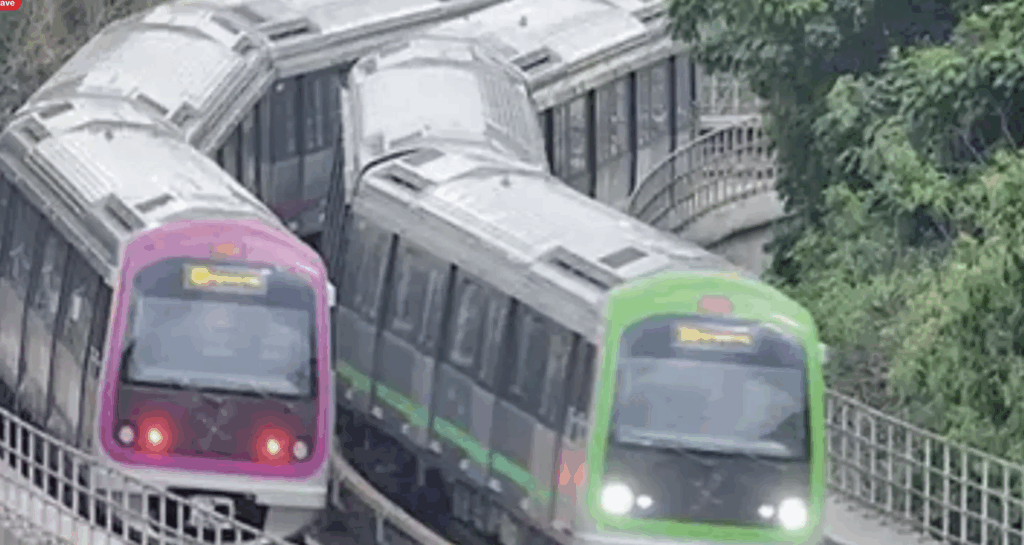
The debate has triggered public concern about future fare increases, commuter costs and the overall financial health of the metro network.
What Was Proposed: Planned Metro Fare Increase
Transport authorities had proposed an increase in Namma Metro fares to help address rising operational costs and narrow the widening revenue gap. The revised fare structure sought to adjust tickets across distance slabs, potentially affecting daily commuters, occasional riders and long-distance travellers.
Official sources indicated that the plan was aimed at ensuring the metro’s financial sustainability while balancing affordability for passengers, especially in a city with high reliance on public transport.
Political Standoff: JD(S) vs BJP Over Fare Revision
The fare hike proposal became politically contentious, with coalition partners unable to agree on the timing, quantum and public messaging of the increase. The Janata Dal (Secular) reportedly opposed the revision, citing commuter hardship and inflationary pressures on the public, while the Bharatiya Janata Party maintained that the metro needed healthier finances to maintain services and expand capacity.
As a result of this standoff, the state government decided to put the fare revision on hold until a clear consensus emerges.
Impact on Commuters
For Bengaluru’s daily metro users — including office workers, students and others — the postponement of the fare rise offers temporary relief, at least in terms of travel cost. Many commuters welcomed the decision, saying that rising fuel prices and cost of living already strain household budgets.
However, transport experts caution that without a long-term revenue plan, the metro’s financial challenges could affect service quality in the future.
Financial Challenges Facing Namma Metro
The Bengaluru Metro has been facing rising costs related to operations, maintenance and expansion plans. Stations, trains and signalling systems need regular upgrades, and farebox revenue alone often falls short of meeting these expenses. Ticket pricing reforms, advertising revenue, and state subsidies are key elements in addressing this gap.
Delays in revising fares potentially complicate budgeting for future phases of expansion, including planned extensions that aim to serve more parts of the city.
Political Dynamics and Transport Policy in Karnataka
The current disagreement highlights how transport policy decisions increasingly intersect with political priorities. In a coalition government, achieving consensus on public service pricing — especially for daily commuters — can be challenging when parties are seeking political advantage or voter goodwill.
The controversy also raises questions about long-term planning, transparency in fare setting and coordination between political leadership and urban transport authorities.
What’s Next for Bengaluru Metro Fares
At present, the metro continues operating under existing fares. Authorities and political leaders are expected to revisit the fare revision proposal after discussions and stakeholder consultations. Any future change will likely be announced only after a clear political understanding and public communication strategy is finalised.
Summary
Plans to raise Bengaluru Metro fares have been put on hold due to a political disagreement between coalition partners, delaying a proposed ticket price revision intended to shore up the transport network’s finances. The decision offers short-term relief to commuters but leaves unresolved questions about long-term revenue sustainability and future metro expansion funding in the city.