A new high-capacity expressway between Mumbai and Pune is set to transform intercity travel in Maharashtra. Designed to handle massive traffic volumes, the upcoming corridor will allow 2–3 lakh vehicles to travel daily and reduce travel time between the two cities to just 90 minutes, even during peak hours.
What the New Expressway Brings
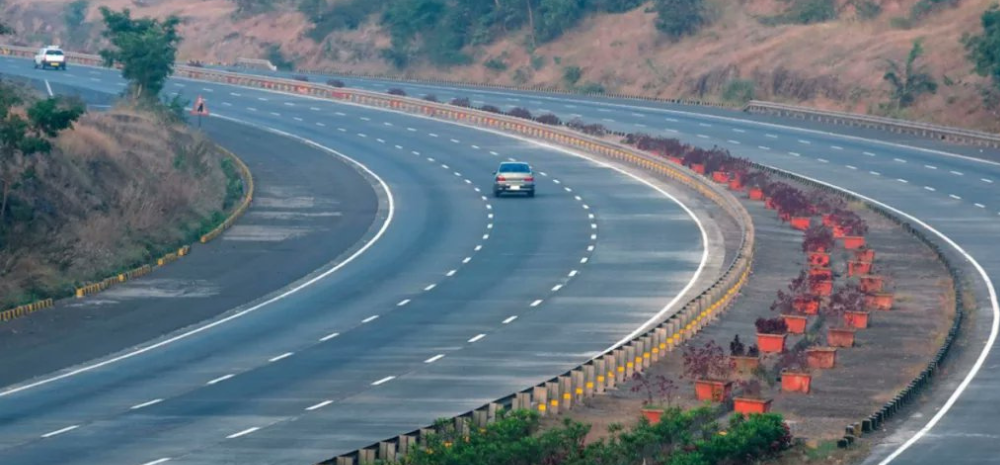
The proposed expressway is being planned as an eight-lane, access-controlled highway, built parallel to the existing Mumbai–Pune Expressway. It is intended to ease the heavy traffic load on the current route, which often experiences congestion, accidents, and weather-related slowdowns.
Once operational, the new expressway will enable smoother, faster, and more predictable travel for daily commuters, long-distance travellers, and freight vehicles.
Seamless Connectivity With Major Infrastructure
One of the biggest advantages of the new expressway is its direct integration with major infrastructure projects, including:
- Navi Mumbai International Airport (NMIA)
- Atal Setu (Mumbai Trans Harbour Link)
- Western and Southern highway corridors connecting cities like Satara, Kolhapur, and Bengaluru
This seamless connectivity will allow vehicles to bypass congested city roads entirely, making long-distance travel more efficient and reducing pressure on urban traffic networks.
Capacity, Speed, and Safety
The new corridor is engineered to support high-speed travel with modern safety features such as controlled entry and exit points, advanced surveillance systems, and better road geometry. With the ability to handle up to three lakh vehicles daily, it is expected to significantly reduce congestion on both the existing expressway and surrounding highways.
Improved design standards will also help lower accident risks, especially during monsoons and peak travel seasons.
Economic and Regional Impact
Beyond faster travel, the expressway is expected to deliver major economic benefits:
- Boost to logistics and freight movement
- Time and fuel savings for businesses and commuters
- Improved access to ports, airports, and industrial zones
- Growth of commercial hubs along the corridor
The project is likely to strengthen the Mumbai–Pune economic belt, which already plays a crucial role in Maharashtra’s industrial and IT ecosystem.
What This Means for Daily Travellers
For regular commuters, weekend travellers, and transport operators, the new expressway promises a more reliable and stress-free journey. Reduced travel time means better work-life balance, lower transportation costs, and improved productivity.
Conclusion
The new Mumbai–Pune expressway represents a major leap in road infrastructure, promising faster travel, higher capacity, and smarter connectivity. By cutting travel time to just 90 minutes and linking key transport hubs, the project is set to redefine how people and goods move between two of India’s most important cities.