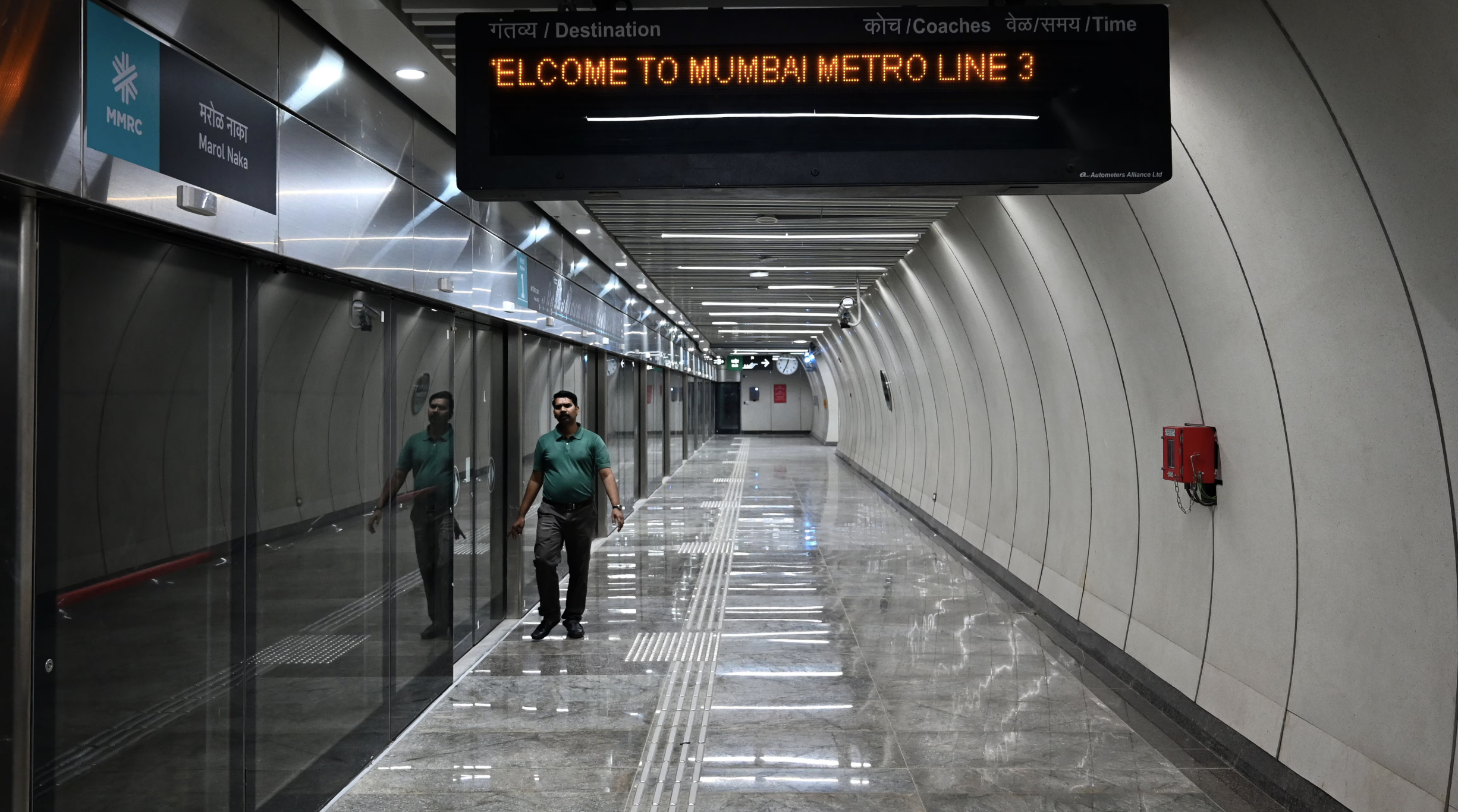
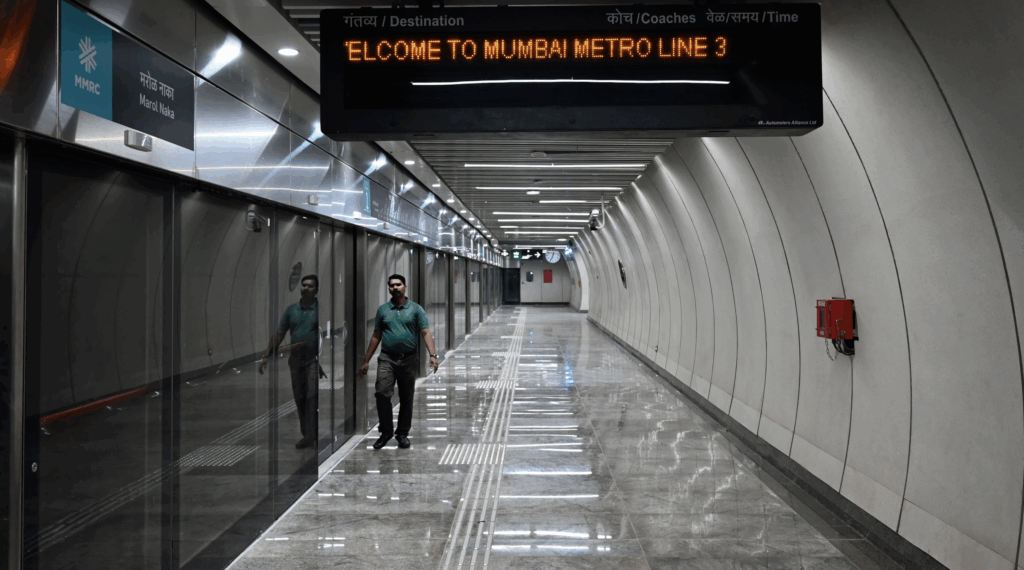
In a significant operational shift, Mumbai Metro’s Red Line (Line 7) and Yellow Line (Line 2A) will soon operate separately instead of running as a continuous loop, marking a major change in how commuters use the network.
What Is Changing?
Currently, both lines are interconnected, allowing trains to run in a loop across western suburbs. However, with the network expanding, authorities have decided to separate operations at Dahisar, which will act as a common interchange station.
- Yellow Line (2A): DN Nagar → Dahisar (West)
- Red Line (7): Gundavali (Andheri East) → Dahisar (East) → extended northwards
Passengers travelling between the two corridors will now need to switch trains at Dahisar instead of staying on the same train.
Why This Decision Was Taken
The separation is part of Mumbai Metro’s next phase of expansion, especially with the upcoming Metro Line 9 (Dahisar to Mira-Bhayandar) and other corridors.
Key reasons include:
- Network expansion beyond Dahisar into new regions
- Need for independent operations on each line
- Better maintenance and depot management for different corridors
- Improved frequency and efficiency on individual routes
Dahisar to Become a Major Interchange Hub
Dahisar—already a key terminal point—will now evolve into a critical interchange node in Mumbai’s metro network.
- Dahisar (East) connects Red Line
- Dahisar (West) connects Yellow Line
- Future connectivity with Line 9 toward Mira-Bhayandar
This will make Dahisar a gateway between Mumbai and its northern suburbs.
Impact on Daily Commuters
While the change improves long-term efficiency, it will slightly alter daily travel patterns:
Pros
- More frequent trains on each line
- Better route specialization and reliability
- Seamless expansion toward Mira-Bhayandar
Cons
- Need to change trains at Dahisar
- Slight increase in travel time for some routes
Bigger Picture: Mumbai Metro Expansion
Mumbai’s metro network is rapidly evolving, with multiple lines becoming operational in phases. The separation of Lines 2A and 7 reflects a shift from loop-based operations to a more structured, multi-corridor system.
As new lines like 2B and 9 open, such changes are essential to handle rising ridership and growing connectivity demands.