In 2026, Mumbai’s metro network is set for a major expansion that will dramatically improve connectivity for commuters living in the northern suburbs. Metro lines are scheduled to open that will finally link Mira-Bhayandar with Thane, two rapidly-growing satellite cities on Mumbai’s periphery. These additions are expected to ease traffic, shorten travel times, and support economic growth across the region.
What’s New in 2026
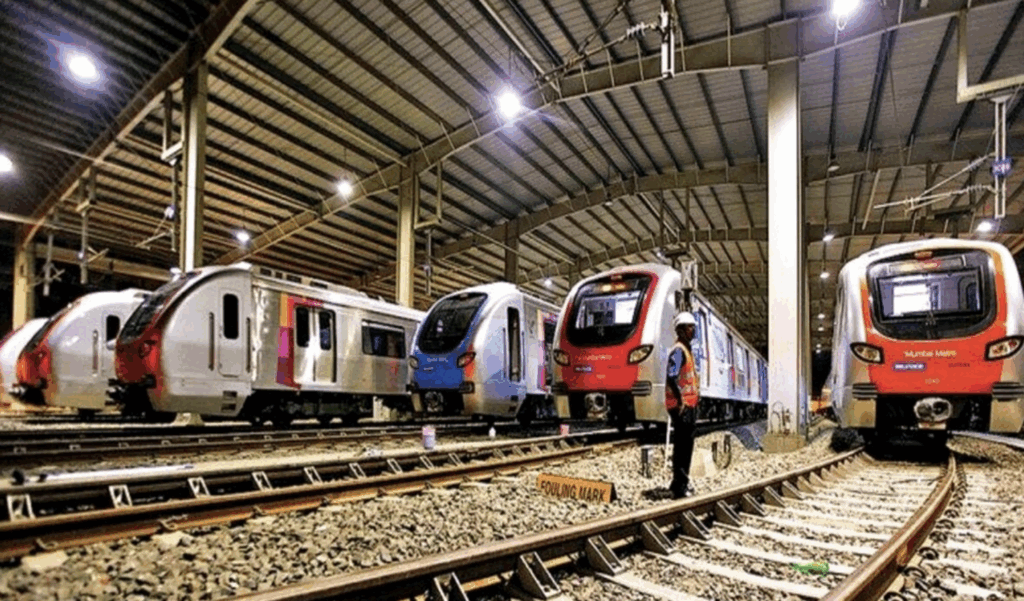
The latest phase of the Mumbai Metro expansion will include lines that stretch northward from the existing network to connect previously underserved areas like Mira Road, Bhayandar, and Dahisar with major transport hubs in Thane and the central city. This expansion is part of a broader effort to extend rapid transit across the Greater Mumbai metropolitan area to reduce dependence on road vehicles and make travel more efficient for millions of daily commuters.
Major Benefits for Commuters
For commuters in Mira-Bhayandar and surrounding suburbs, the new metro link brings several advantages:
- Reduced Travel Time: Journeys that currently take long hours on congested roads will be significantly faster via the metro.
- Improved Connectivity: Residents will have direct access to Thane, a key residential and commercial hub, without multiple changes on suburban trains or local buses.
- Less Traffic Congestion: A reliable metro alternative will take cars and two-wheelers off packed arterial roads.
- Better Access to Jobs and Services: Workers, students, and professionals will find it easier to reach workplaces, schools, and hospitals across the metropolitan region.
The metro’s seamless integration with existing suburban trains, buses, and other transport modes will further enhance mobility options.
Supporting Urban Growth
The northern fringes of Mumbai have experienced rapid residential and commercial growth in recent years. With increasing population density and expanding employment markets, transport infrastructure needed to keep pace. The extension of metro lines into Mira-Bhayandar and Thane is part of a long-term plan to ensure that urban growth is supported by efficient public transit, reducing pressure on roads and improving quality of life.
Projected Impact on Real Estate and Economy
A new metro corridor often brings significant development impact:
- Real Estate Growth: Property values near metro stations typically rise as accessibility improves.
- Business Opportunities: Retail, hospitality, and services around stations flourish with increased footfall.
- Job Creation: Both construction and operational phases generate employment.
These changes contribute to balanced regional growth, making the northern suburbs more attractive for residents and investors alike.
Conclusion
The planned metro lines set to open in 2026 that will connect Mira-Bhayandar with Thane represent a transformative upgrade for Mumbai’s regional transport network. By offering faster, reliable, and modern transit options, the metro extension promises to change daily commutes, ease congestion, and support sustained economic and urban development across the northern metropolitan region.