Microsoft is shifting its development emphasis for Windows 11, telling its engineering teams to pause or deprioritize new AI-centric features and instead focus on fixing persistent issues that have frustrated users. This represents a notable change in strategic focus after months of heavily promoting AI as a central part of the Windows ecosystem.
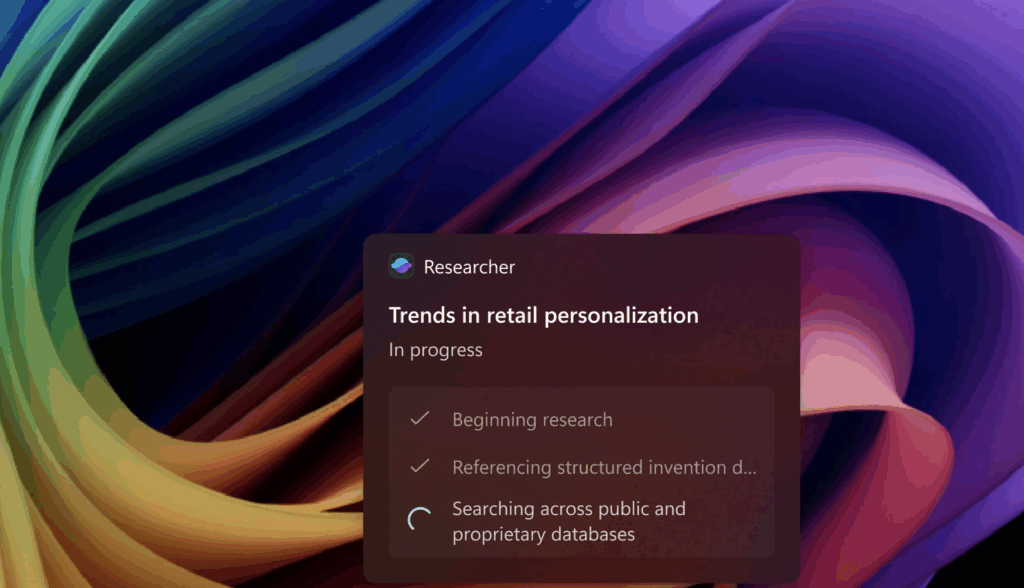
Recent internal discussions and public comments from Microsoft engineers suggest the company wants to retake control of core user experience problems, including system crashes, slow performance, inconsistent update behaviour and other bugs that have plagued Windows 11 since major OS releases.
“Back to Basics”: What Microsoft Wants Fixed
According to sources familiar with internal planning, Microsoft has asked Windows developers to tackle several key areas that have impacted user satisfaction:
1. System Performance and Responsiveness
Windows 11 has received criticism for being slower on older hardware and not always managing system resources efficiently. Microsoft engineers are now prioritizing faster app launch times, smoother background processing, and better memory use.
2. Update Reliability and Stability
Windows feature updates have become a regular pain point, with some users experiencing installation failures, rollback errors or unexpected reboots. The company is focusing on making updates more predictable and less disruptive.
3. Battery and Power Management
Laptops running Windows 11 have faced mixed experiences with battery life. Microsoft plans to enhance power-efficiency algorithms and scheduler behaviour to give mobile users longer life per charge.
4. Core UI and Usability Fixes
Rather than layering in new AI widgets or assistant capabilities, engineers are being asked to polish menus, contextual behaviour, and basic workflows that affect everyday use for millions of users.
Why This Matters
Over the past year, Microsoft has touted AI heavily in Windows marketing, previewing features like AI-driven search, assistant experiences and generative writing tools built into system apps. However, user feedback has indicated that many basic issues remain unresolved — dragging down overall satisfaction even as AI promises grow.
By adjusting priorities, Microsoft appears to be listening to users who want an OS that feels smooth, reliable and dependable before expanding its AI ambitions. Industry analysts say this could help Windows maintain relevance among core users and enterprise buyers who value stability over cutting-edge novelty.
What Users Can Expect
In upcoming Windows 11 updates, users may notice fewer experimental AI features but better overall performance and fewer bugs. Microsoft’s balance between enhancing AI and shoring up fundamentals reflects a broader trend in tech where real-world usability trumps hyped capabilities that don’t yet deliver clear daily value.