Meta Platforms, led by Mark Zuckerberg, has taken a bold step in the wearable technology market by launching the Ray-Ban Display, its first smart glasses with a built-in screen. Priced at $799, the glasses were unveiled on September 17 and will be available for sale from September 30.
Features and Functionality
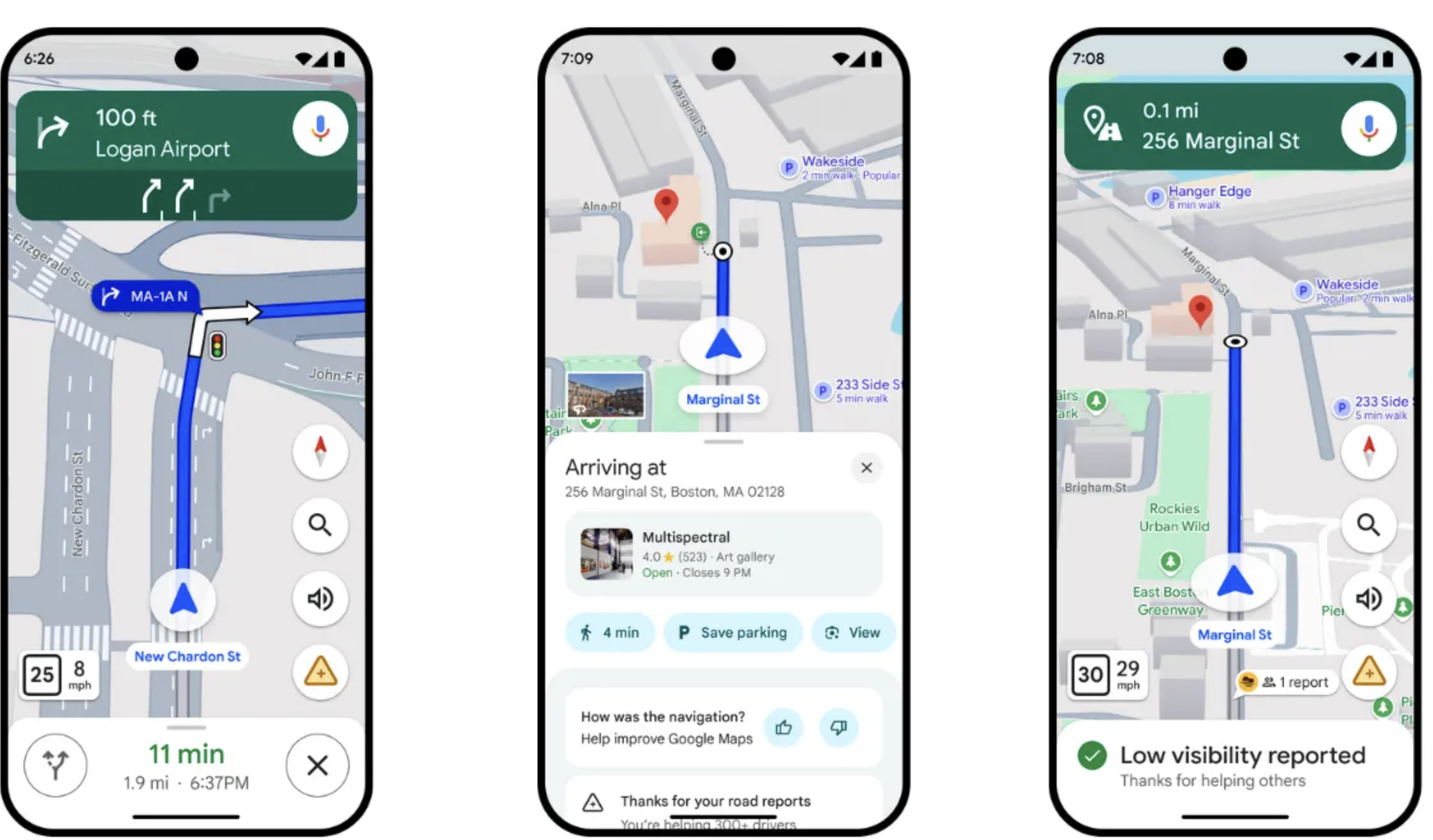
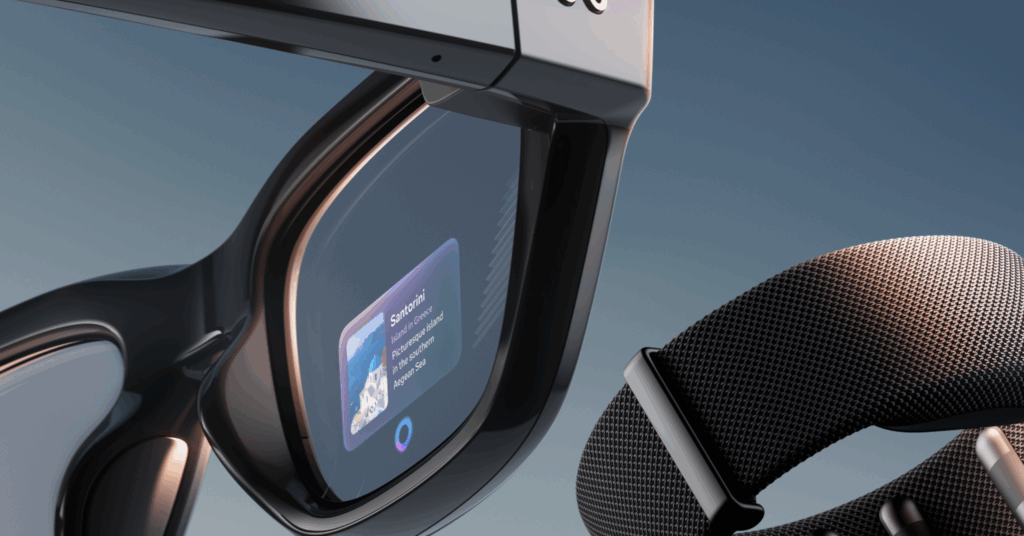
The standout feature of the Ray-Ban Display is a screen in the right lens, which can project text messages, video calls, turn-by-turn navigation, AI-powered responses, and even live captions. Users can interact with the glasses through hand gestures detected by Meta’s new Neural Wristband. From pinching fingers to swiping in the air, the intuitive control system offers a futuristic experience.
Additionally, the glasses support Facebook Messenger, WhatsApp, and Spotify at launch, with Instagram Reels integration planned later this year. A 12-megapixel camera enables 1080p video recording, while the live caption feature even provides real-time translations, enhancing accessibility.
Specs and Battery Life
The glasses deliver a 600 x 600 resolution with a 20-degree field of view. Brightness ranges between 30 to 5,000 nits, ensuring usability in most conditions, though intense sunlight can still pose challenges. Battery life lasts up to six hours per charge, with the case offering four additional recharges. The Neural Wristband has 18 hours of battery life, designed to last a full day.
Design and Availability
Available in two sizes and two colors—classic black and sand brown—the glasses will initially be sold in retail stores for proper fitting and onboarding before going online. They will be distributed via Ray-Ban, Lenscrafters, Best Buy, and Verizon outlets.
Meta’s AI Wearable Ambition
According to Meta CTO Andrew Bosworth, the product represents “the first serious step” toward shifting core smartphone functionalities into AI-powered eyewear. Meta expects to sell more than 100,000 units by the end of 2026, signaling its ambition to challenge Apple and Google in the consumer tech ecosystem.
Industry experts believe this launch could mark the beginning of mainstream adoption of AI smart glasses, with Meta aiming to ride the AI boom and capture the attention of digital-first consumers.