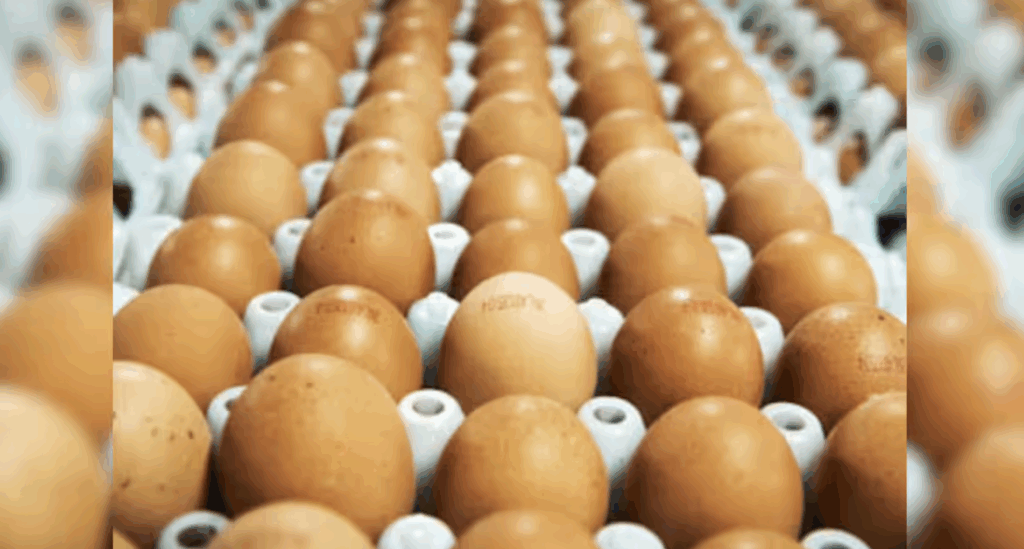
In a significant move to improve food safety and consumer awareness, the Uttar Pradesh government has made it mandatory for eggs to carry both the date of laying and expiry date starting April 1. This new rule aims to ensure that consumers are aware of the freshness of eggs they purchase and consume.
What the New Rule Says
Under the fresh government order, every egg sold in Uttar Pradesh must now be stamped with:
- Date of laying
- Expiry date
Authorities have made it clear that eggs without these markings will either be destroyed or labeled “not fit for human consumption.”
This strict enforcement highlights the seriousness of the regulation and its focus on public health.
Why This Rule Was Introduced
The primary reason behind this decision is consumer safety. Eggs have a limited shelf life, and improper storage or delayed consumption can pose health risks.
- Eggs remain safe for about 2 weeks at around 30°C
- When refrigerated at 2–8°C, they can last up to 5 weeks
Without clear labeling, consumers often have no way of knowing how fresh the eggs are—making this rule a crucial step forward.
The Challenge: Storage Infrastructure
One of the biggest hurdles in implementing this rule is the lack of adequate cold storage infrastructure.
- Uttar Pradesh currently has only two egg cold storage facilities, located in Agra and Jhansi
- Eggs also require different storage conditions than vegetables, meaning they cannot be stored together
This could create logistical challenges for producers and distributors in maintaining freshness standards.
Lack of Awareness and Compliance
Officials have pointed out that many producers were not strictly following existing guidelines, and consumers were largely unaware of egg freshness norms.
This new rule is expected to not only enforce compliance but also educate consumers about safe consumption practices, making them more informed buyers.
A Shift Towards Transparent Food Systems
This initiative reflects a broader push towards transparency in food supply chains. By clearly labeling eggs, the government is empowering consumers to make safer choices while holding producers accountable.
If implemented effectively, this model could be extended to other perishable food items across India.
Conclusion
The decision to introduce expiry dates on eggs is a small yet powerful reform in India’s food safety ecosystem. While challenges like storage and compliance remain, the move is a step in the right direction—towards safer, more transparent, and consumer-friendly food practices.