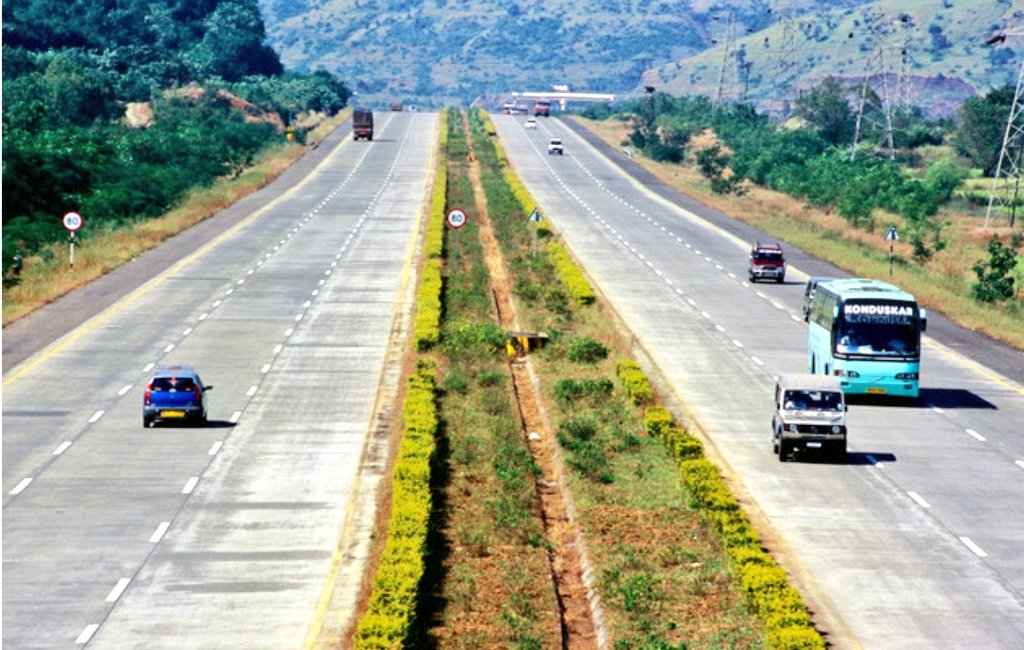
The Maharashtra government has taken a major step to reduce traffic congestion in urban areas by stopping bike taxi operations and freezing the issuance of new permits for auto-rickshaws and app-based taxis. The decision applies across the state but is particularly aimed at managing heavy traffic in the Mumbai Metropolitan Region (MMR).
Transport Minister Pratap Sarnaik said the move was necessary as the number of commercial vehicles on city roads has increased sharply in recent years.
Surge in Permits Led to Traffic Pressure
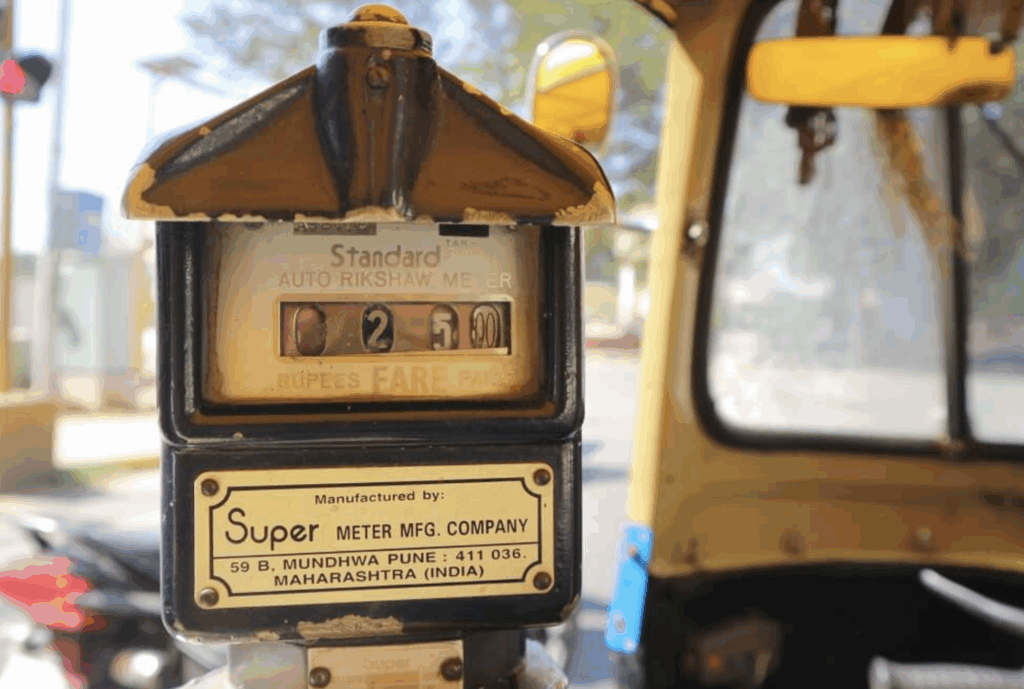
According to the transport department, Maharashtra has already issued around 14 lakh auto-rickshaw permits, contributing to rising traffic congestion and pollution in major cities.
Officials say the government receives 5 to 50 requests for new permits every day, which has led authorities to temporarily suspend issuing new permits through the state’s Regional Transport Offices (RTOs).
The government believes that limiting new permits could help stabilize the number of commercial vehicles operating on city roads.
App-Based Bike Taxi Licences Revoked
Authorities have also decided to revoke the temporary licences given to app-based bike taxi operators such as ride-hailing platforms. Officials accused some companies of misusing permissions granted earlier on a temporary basis.
Bike taxis had been allowed on a trial basis earlier, but the government says several operators failed to comply with the required conditions and guidelines.
Bike Taxis May Return Under New Rules
Despite the crackdown, the state government has clarified that bike taxis may return in the future if companies comply with regulatory requirements.
The transport department is currently reviewing rules and consulting with the central government regarding the future framework for bike taxi services. Officials say stricter regulations will be introduced to ensure safety, transparency, and better traffic management.
Balancing Mobility and Livelihood Concerns
The government also highlighted concerns raised by auto-rickshaw driver unions, who argue that the surge in bike taxis and app-based vehicles has affected their livelihood.
By pausing new permits and reviewing bike taxi operations, authorities aim to balance urban mobility needs with the interests of existing transport workers.
What It Means for Commuters
For commuters, the move could reduce the availability of app-based two-wheeler ride services in cities like Mumbai, Pune, and Thane. However, officials say the policy is designed to reduce congestion, improve traffic management, and create a more regulated transport ecosystem.
Further decisions regarding bike taxis and new permits are expected once the government finalises its updated transport policy.