The Maharashtra government is planning to build what could become the world’s largest agricultural market, spread across 1,200 acres near the upcoming Vadhvan Port in Palghar district. This ambitious project aims to transform the state into a global hub for agricultural trade and exports.
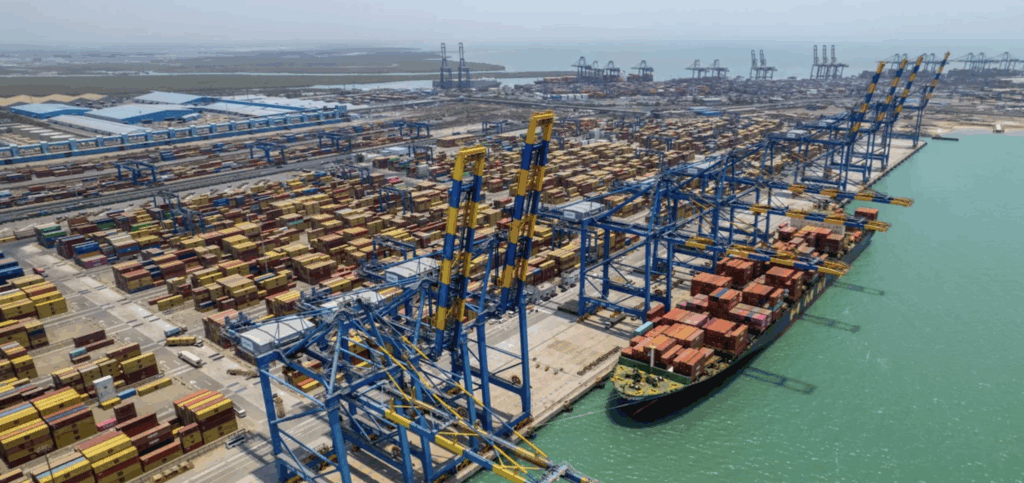
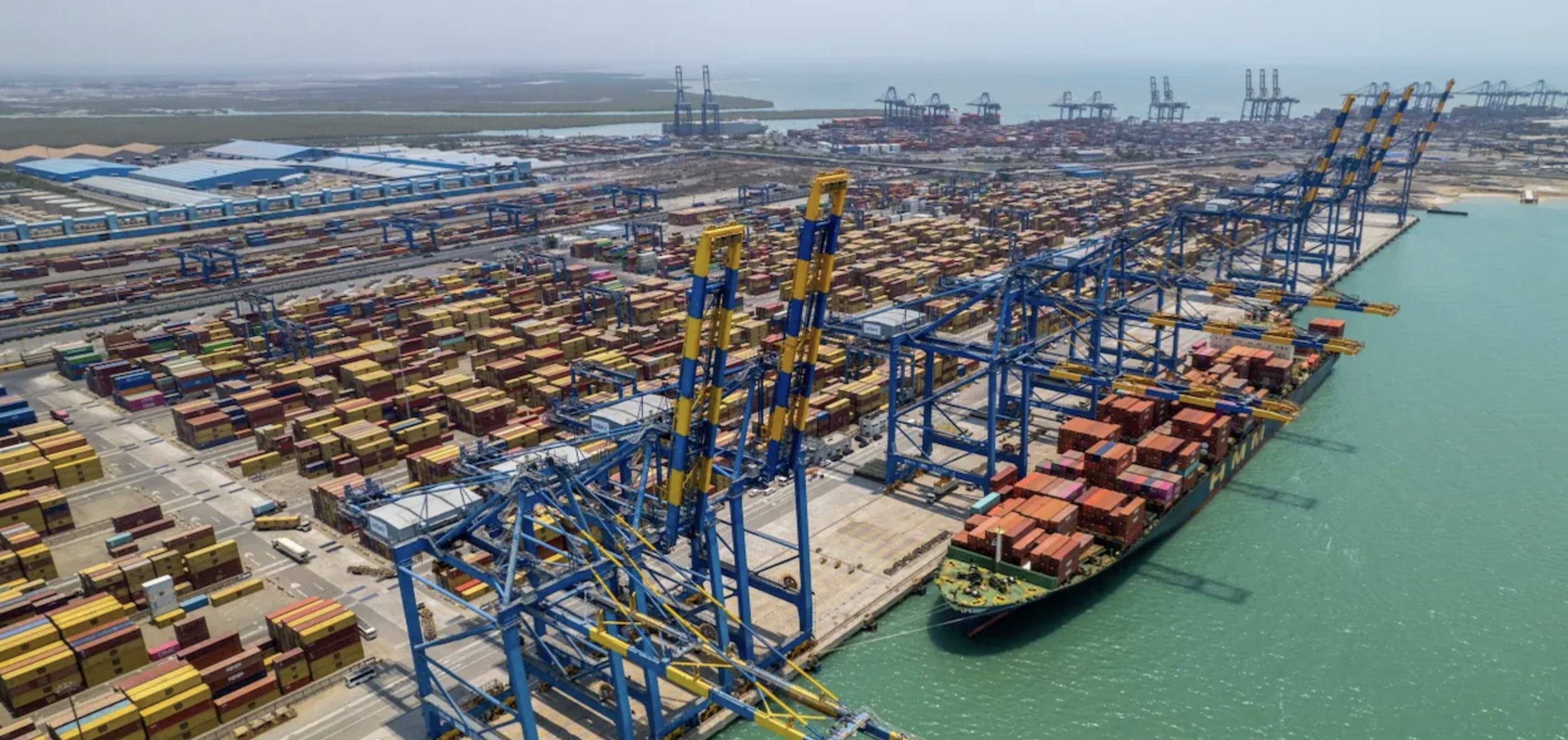
The market will be strategically located alongside major infrastructure developments, including the ₹76,200 crore Vadhvan Port, enhancing its global connectivity.
Why Vadhvan Port Location Matters
The upcoming Vadhvan Port is a key pillar of this project. Being developed as a major deep-sea port, it is expected to handle large cargo volumes and boost India’s maritime trade capacity.
The agricultural market will benefit from seamless connectivity through road, rail, port, and potentially even an airport, creating a powerful logistics ecosystem.
This integration is expected to reduce transportation costs and improve export efficiency for farmers and traders.
Integrated Ecosystem for Farmers
Unlike traditional mandis, this mega agricultural hub will offer a complete value chain under one roof. Facilities will include:
- Warehousing and cold storage
- Processing and packaging units
- Logistics and distribution networks
- Export-oriented infrastructure
This means farmers won’t just sell raw produce—they can participate in value addition through branding, packaging, and direct market access, significantly increasing their income potential.
Boost to Agricultural Exports and Economy
The project is designed to strengthen Maharashtra’s position in global agricultural trade. By enabling direct export capabilities, the market will help farmers tap into international demand without heavy dependence on intermediaries.
Additionally, the initiative is expected to generate employment, improve supply chain efficiency, and attract investment in agri-infrastructure. It could also empower Farmer Producer Organisations (FPOs) by giving them a larger, more organized marketplace.
A Game-Changer for India’s Agri Sector
This 1,200-acre agricultural market represents a shift from fragmented, local mandis to a centralized, modern trading ecosystem. The government envisions it as a global trading center that integrates production, processing, and export.
If executed successfully, it could redefine how agricultural commodities are traded in India, setting a benchmark for other states.
What Lies Ahead
With infrastructure development underway around Vadhvan, including port and transport networks, this project could become operational in phases over the coming years.
As India looks to strengthen its agri-export capabilities, Maharashtra’s mega agri-market could emerge as a crucial link between farmers and global markets.