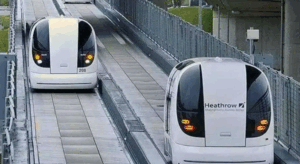
Lucknow’s Gomti Nagar station has become the first railway hub in Uttar Pradesh to be privately managed, marking a significant shift in how passenger services are delivered. While Indian Railways will continue to handle train operations, ticketing, and security, private operators will take charge of cleanliness, catering, parking, and passenger amenities, aiming to offer an airport-style experience.

RLDA’s New Model of Management
The initiative is spearheaded by the Rail Land Development Authority (RLDA), which has granted private operators a nine-year licence, with the option to extend for three more years. Revenue sharing is built into the model: 85% of earnings will go to Indian Railways, while 15% will be retained by RLDA.
This partnership approach is expected to not only modernize passenger services but also improve operational efficiency without burdening the Railways with additional management responsibilities.
Why Gomti Nagar?
Gomti Nagar was a natural choice for the pilot project. The station is a busy hub with six platforms and handles around 76 trains daily, connecting important destinations like Gorakhpur, Chhapra, and Barauni. It already has a head start in terms of infrastructure, featuring solar panels, escalators, lifts, and commercial spaces.
These upgrades made it an ideal candidate for testing private management before rolling out similar models nationwide.
What’s in Store for Passengers
Passengers can expect cleaner stations, better catering, efficient parking services, and improved passenger care under private management. The goal is to replicate the hygiene and comfort standards of airports, ensuring a smoother travel experience.
The next station lined up for this model is Chandigarh, suggesting that Indian Railways views Gomti Nagar as a pilot for broader reforms.
Concerns Over Costs and Transparency
Despite optimism, some concerns remain. Will service charges increase under private management? How will authorities ensure accountability and transparency in day-to-day operations? These questions highlight the need for strong regulatory oversight to ensure that passengers benefit from the new system without being burdened financially.