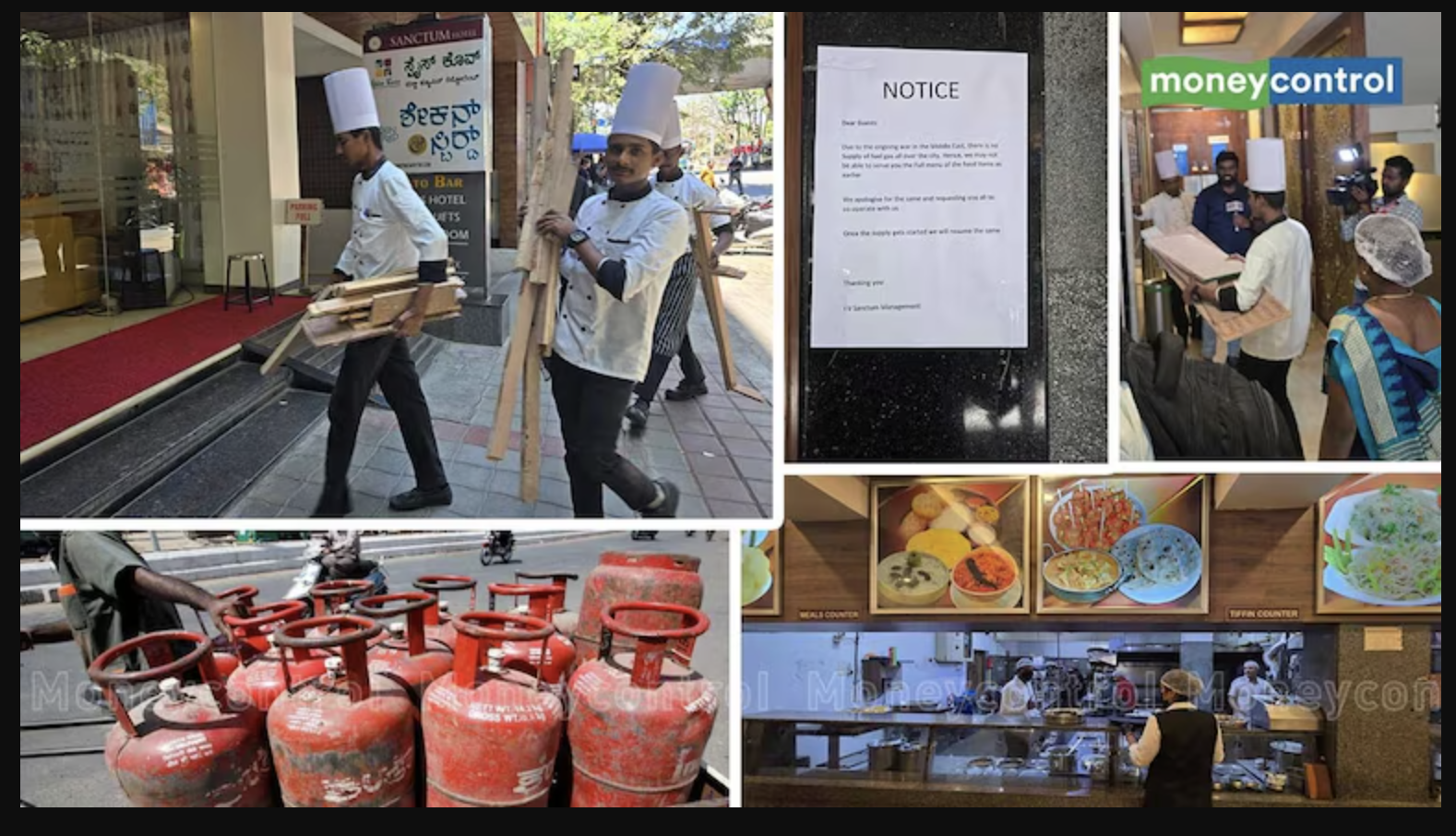
Bengaluru’s industrial backbone is under serious stress. A severe shortage of commercial LPG cylinders is now threatening to stall over 3,000 micro, small, and medium enterprises (MSMEs) in the Peenya Industrial Area—one of Asia’s largest industrial hubs.
Why This Crisis Is Serious
Peenya is not just another industrial cluster—it’s a massive economic engine:
- Around 13,500 industrial units operate in the area
- Nearly 3,500 units depend directly on LPG for operations
- The cluster employs lakhs of workers and contributes significantly to exports
With LPG supply disrupted for over 10 days, many of these units are now on the brink of slowdown—or even shutdown.
Industries That Are Worst Affected
The LPG shortage is hitting sectors that rely heavily on gas for core processes, including:
- Welding and fabrication units
- Heat treatment and metal casting industries
- Powder coating and pharmaceuticals
- Food processing units
Without LPG, these processes simply cannot continue—bringing production lines to a halt.
Production Delays and Financial Pressure
The impact is already visible:
- Production cuts across factories
- Delayed orders and export commitments
- Risk of penalties from global clients
- Difficulty in paying worker wages
Industry leaders warn that fuel costs make up 15–30% of production expenses, so any disruption directly hits profitability and survival.
What’s Causing the Shortage?
The crisis is linked to larger global disruptions:
- India imports 65–66% of its LPG, with over 90% coming from West Asia
- Ongoing geopolitical tensions have disrupted supply chains
- Available LPG is being prioritized for domestic consumers, limiting supply for industries
This has left commercial users—especially MSMEs—struggling to secure cylinders.
Ripple Effect on Jobs and Economy
The implications go beyond factories:
- Risk of job losses across thousands of workers
- Slower exports impacting global supply chains
- Potential slowdown in Karnataka’s manufacturing output
Even short-term disruptions could trigger long-term financial damage for small businesses operating on thin margins.
Industry Calls for Urgent Intervention
Industry bodies are urging the government to:
- Ensure regular and predictable LPG supply
- Create a clear distribution schedule
- Provide temporary policy support for MSMEs
Without immediate action, many units may be forced to shut down operations.
Conclusion
The LPG shortage in Bengaluru is no longer just a supply issue—it’s an economic warning sign. With over 3,000 MSMEs at risk, the crisis highlights the vulnerability of India’s industrial ecosystem to global disruptions.
If supply doesn’t stabilize soon, the impact could ripple across jobs, exports, and the broader economy.