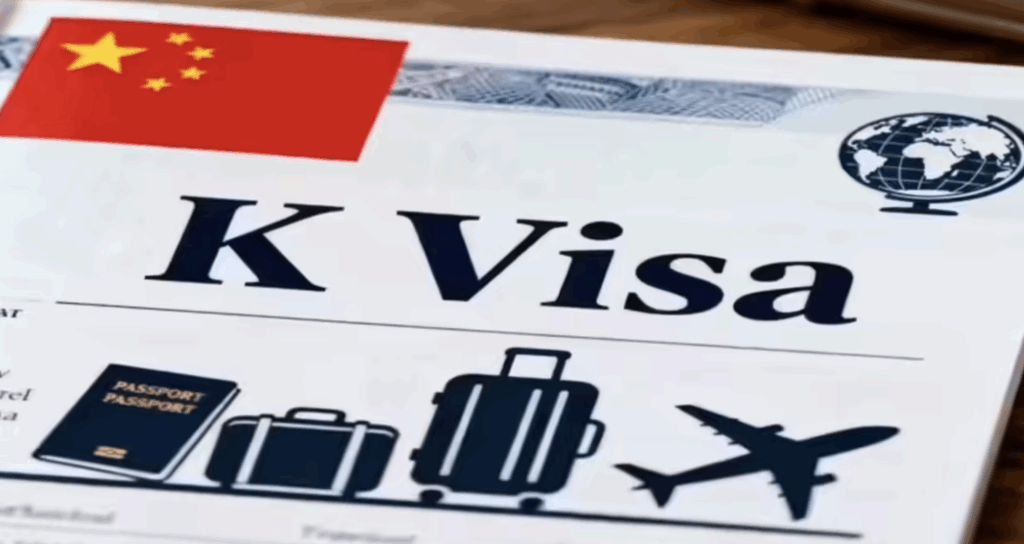
China has officially launched its new K visa, a program aimed at attracting foreign science and technology professionals as part of its push to become a global hub for innovation. Announced in August and activated this week, the visa coincides with the United States imposing steep $100,000 H-1B visa fees — a move that could deter many skilled workers from pursuing opportunities there.
The K visa is designed for individuals with a bachelor’s degree or higher from top universities, or those engaged in teaching and research in STEM fields. It also covers professionals involved in education, science, entrepreneurship, and cultural exchange.
Key Features: Flexible, No Employer Sponsorship Required
Unlike many work visas worldwide, the K visa does not require local employer backing, giving foreign professionals greater mobility and flexibility. It offers multiple entries, longer validity periods, and extended stays. However, the Chinese government has not yet confirmed whether the visa will grant foreigners legal work status, leaving many questions unanswered.
Public Backlash and Rising Nationalist Sentiment
The program faced immediate criticism on Chinese social media, with users expressing concerns over increased job competition amid a sluggish domestic economy.
- “We already have too many graduates. Why bring in foreign talent?” one Weibo user wrote.
- Others raised concerns about foreigners’ ability to adapt to Chinese society, citing language barriers and political restrictions.
Some of the backlash even turned xenophobic, particularly targeting Indian professionals — who make up over 70% of U.S. H-1B visa holders.
State Media and Government Response
In response, state-run outlets like Global Times and People’s Daily published commentaries defending the visa as a step toward a more “open and confident China.” Officials clarified that the K visa is not equivalent to immigration and aims to facilitate global collaboration rather than replace domestic talent.
Challenges Ahead: Communication, Creativity, and Control
Experts warn that attracting top global talent requires more than visa flexibility. Language remains a major hurdle, and China’s tightly controlled political environment may stifle creativity and innovation.
“Creativity flourishes in open societies. China’s political climate could limit the very innovation it seeks,” said Stefanie Kam of Nanyang Technological University.
Despite these concerns, the K visa represents China’s boldest step yet in competing for global talent as Western countries tighten immigration rules — but whether it can overcome domestic skepticism and systemic barriers remains uncertain.