In the invisible battlefield of cyberspace, a single SIM card may become the line between trust and trickery.
Cracking Down on ‘Digital Arrest’ Scams
The Union government has told the Supreme Court that linking WhatsApp accounts to active SIM cards could significantly curb so-called “digital arrest” scams — a fast-growing form of cyber fraud where victims are threatened with fake legal action and coerced into transferring money.
During submissions, the Centre explained that SIM-binding would ensure a messaging account remains continuously linked to the SIM card registered to the user’s mobile number. This, it argued, would reduce misuse of over-the-top communication platforms by cybercriminals who frequently rely on foreign, cloned or deactivated SIM cards to impersonate Indian officials.
The government also informed the Court that the Department of Telecommunications has begun blocking international calls that falsely appear to originate from Indian numbers. These spoofed calls, often central to digital arrest scams, are now filtered at international gateways. According to the Centre, this step has already led to a noticeable decline in such fraudulent calls.
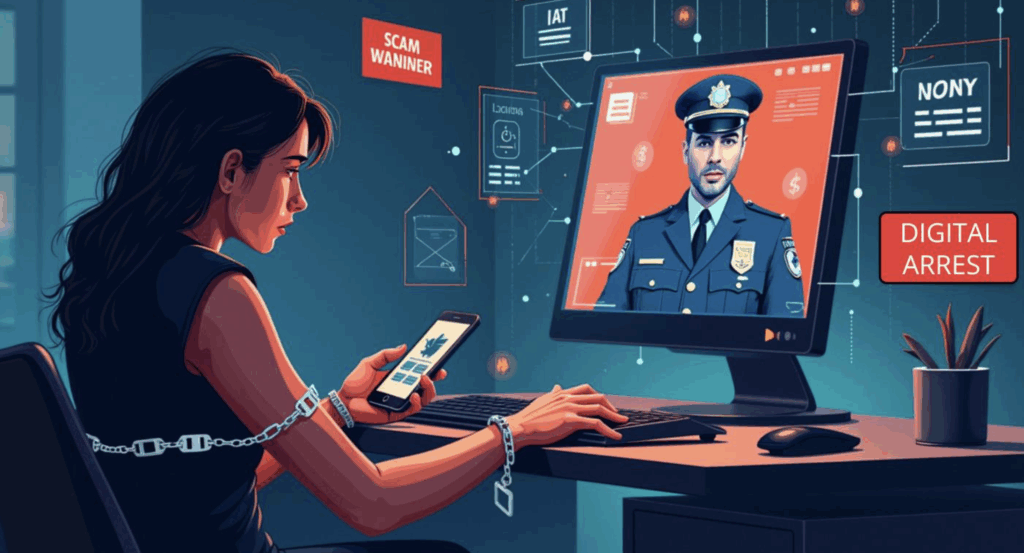
Digital arrest scams typically involve criminals posing as law-enforcement or government authorities. Victims are contacted via calls or messaging apps like WhatsApp and falsely told they are under investigation. They are then pressured to transfer funds to avoid arrest or prosecution. The Centre argued that stronger authentication on messaging platforms would disrupt this pattern.
Security vs Convenience: The Regulatory Push
SIM-binding forms part of broader telecom and cybersecurity reforms aimed at tightening oversight. Under the proposed framework, messaging platforms must ensure user accounts remain tied to the SIM card inserted in the device where the application is active. The government contended this would make it harder for fraudsters to operate accounts remotely or across multiple devices without detection.
The Supreme Court is reviewing these measures amid rising cybercrime cases nationwide. It has previously directed coordination between agencies, including the Ministry of Home Affairs and the Department of Telecommunications, to create standard operating procedures for fraud prevention, tracing offenders and assisting victims.
While acknowledging concerns about implementation challenges and user convenience, the Centre maintained that stronger safeguards are essential given the growing sophistication of cybercrime. It emphasised that SIM-binding seeks to balance user privacy with the urgent need to shield citizens from large-scale financial fraud.
As scams grow smarter in the shadows, the law is betting that tighter digital threads can hold the fabric of trust together.
Summary
The Union government told the Supreme Court that linking WhatsApp accounts to active SIM cards could reduce “digital arrest” scams, where fraudsters impersonate officials to extort money. SIM-binding would limit misuse of cloned or foreign SIMs. Alongside blocking spoofed international calls, the measure aims to strengthen cybersecurity while balancing privacy and user convenience concerns.