IOC RTI Confirms Ethanol Levels in Fuel
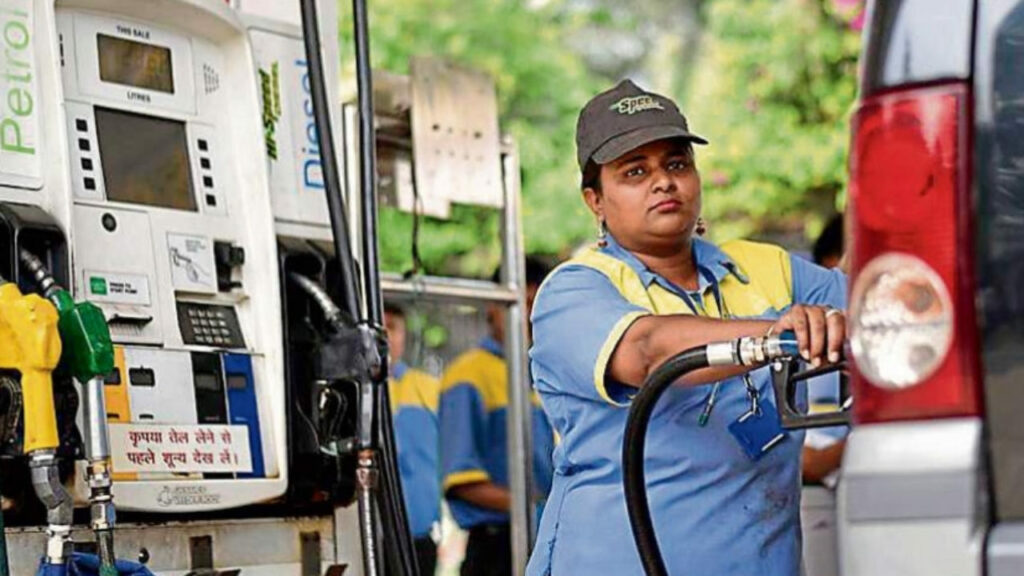
An RTI query to Indian Oil Corporation (IOC) has confirmed that both XP95 premium petrol and normal Motor Spirit sold in Kolkata contain 20 percent ethanol by volume. The confirmation came in a reply dated July 3, 2025, issued by IOC’s Public Information Officer in response to an application filed on June 7, 2025.
Details of the RTI Response
The RTI posed two questions: the ethanol percentage in XP95 petrol and in normal Motor Spirit sold in Kolkata. Both answers were the same — 20 percent. This aligns with the nationwide rollout of E20 fuel, which blends 20 percent ethanol with petrol. The blending ratio has risen sharply over the past decade, marking a significant shift in India’s fuel policy.
Government’s Push for E20 Fuel
The Indian government has promoted E20 blending as a way to enhance energy security, cut dependence on imported oil, and reduce carbon emissions. Ethanol, derived from crops such as sugarcane and maize, is considered a cleaner-burning fuel compared to traditional petrol. The rollout represents a nearly thirteenfold increase in ethanol blending levels since 2014.
Concerns from Motorists and Experts
Despite the environmental and economic goals, E20 has faced criticism from vehicle owners and experts. Older vehicles not designed for high ethanol content may experience reduced engine performance, increased maintenance costs, and potential long-term damage. Even newer models that are E20-compatible may deliver slightly lower mileage compared to pure petrol.
Another major point of contention is pricing. Many consumers question why E20 fuel prices remain similar to traditional petrol when ethanol production costs are lower. Industry observers argue that any savings from ethanol blending should be passed on to the public to encourage wider acceptance.
The Road Ahead for Ethanol Blending
While the shift to E20 represents a milestone in India’s fuel diversification strategy, addressing public concerns will be crucial. Transparent pricing, clear guidelines for vehicle compatibility, and continued research into ethanol’s impact on engines will play a key role in winning consumer trust. For now, Kolkata joins the growing list of cities fully transitioned to E20 petrol.