Amid escalating tensions in the Middle East, reports surfaced claiming that India-flagged oil tankers had been allowed to pass through the Strait of Hormuz despite the ongoing Iran–US–Israel conflict. However, Iran has denied making any special arrangement for Indian vessels to transit the strategic waterway.
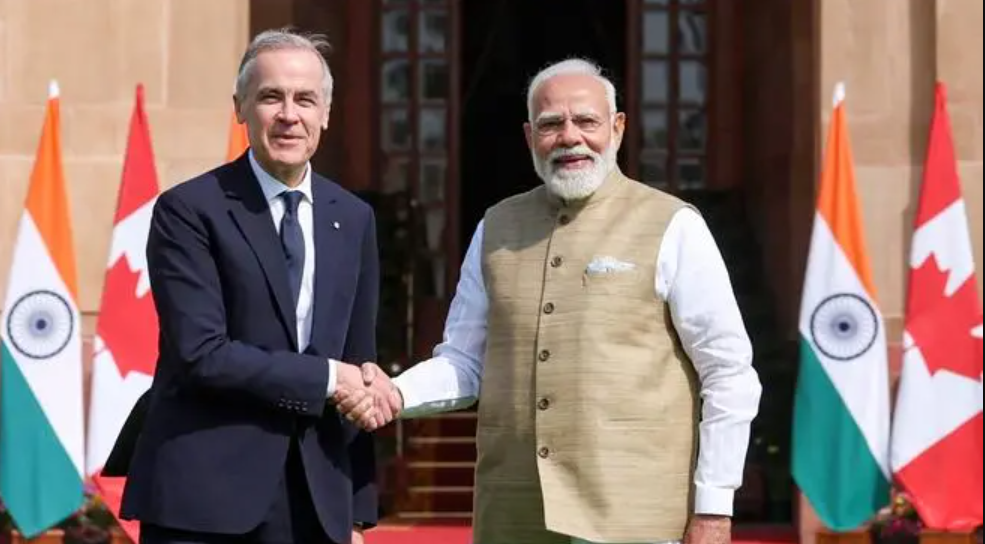
The reports had suggested that India secured safe passage for its tankers after diplomatic talks between Indian External Affairs Minister S. Jaishankar and Iran’s Foreign Minister Abbas Araghchi. But Iranian officials said no such agreement had been formally announced or confirmed.
Strategic Importance of the Strait of Hormuz
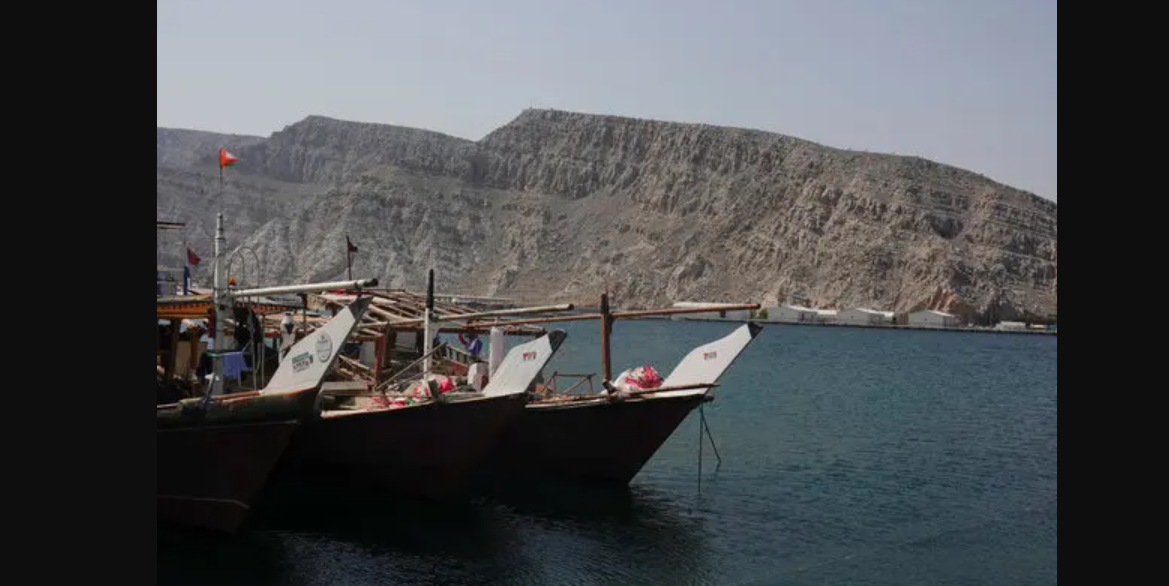
The Strait of Hormuz is one of the world’s most critical energy chokepoints. A large portion of global oil shipments moves through this narrow maritime route connecting the Persian Gulf with international markets. Disruptions here can significantly affect global energy prices and supply chains.
Since late February 2026, tensions have escalated after US and Israeli strikes on Iran, followed by Iranian retaliation. The conflict has severely affected shipping activity in the region, with tanker traffic dropping sharply and many vessels avoiding the strait due to safety concerns.
Attacks and Security Risks for Ships
Several merchant vessels have recently been hit by projectiles or drones in the strait, highlighting the risks faced by commercial shipping. In one incident, multiple ships were damaged while passing through the corridor, triggering emergency responses and evacuations.
The United States has also warned that ports and shipping infrastructure in the region could become potential targets as tensions rise. Iranian forces have threatened retaliation against economic targets linked to the US and Israel.
Impact on India’s Energy Security
India is closely monitoring the situation because a significant portion of its crude oil imports passes through the Strait of Hormuz. Disruptions to shipping routes could affect energy supplies, fuel prices, and overall economic stability.
As a precaution, India is also exploring alternative sources of crude oil and coordinating with international partners to ensure the safety of its vessels and seafarers in the region.