The Strait of Hormuz has become the focal point of global concern as tensions escalate in West Asia due to the ongoing conflict involving Iran, Israel, and the United States. This narrow maritime passage is one of the world’s most important energy corridors, with nearly one-fifth of global crude oil and natural gas shipments passing through it.
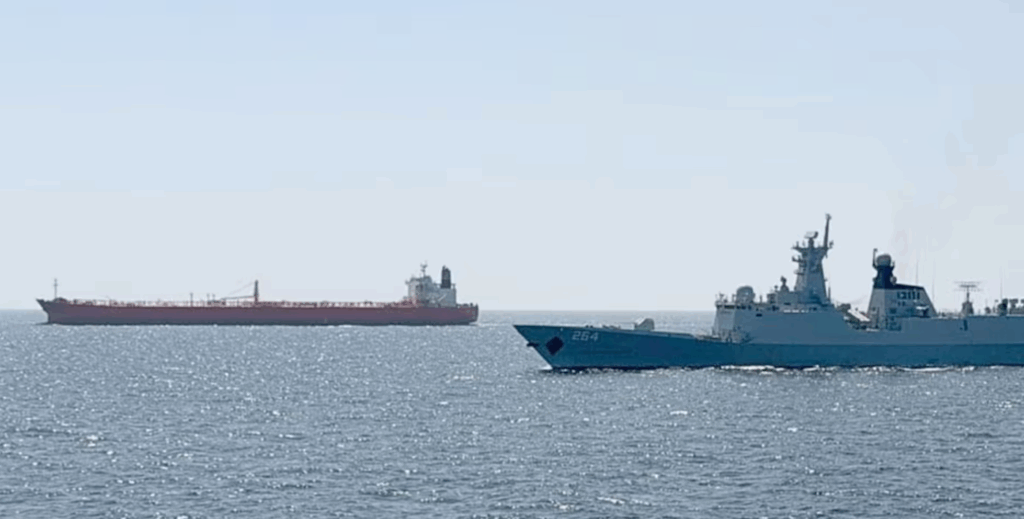
In recent weeks, the conflict has significantly disrupted maritime traffic, raising fears of supply shortages and rising oil prices worldwide. Military warnings, attacks on vessels, and security threats have led several shipping companies to delay or reroute their ships. The instability has also caused global energy markets to react sharply, pushing crude oil prices higher and increasing uncertainty across international trade routes.
India’s Diplomatic Intervention
Amid the growing crisis, India secured a key diplomatic breakthrough. Iran reportedly allowed Indian oil tankers to pass through the Strait of Hormuz following discussions between India’s External Affairs Minister S. Jaishankar and Iran’s Foreign Minister Abbas Araghchi. The talks focused on ensuring that Indian energy supplies continue without disruption despite the escalating regional tensions.
Sources indicate that the primary goal of the diplomatic engagement was to keep the strategic shipping route open for Indian vessels transporting crude oil and liquefied natural gas. The move highlights India’s active diplomatic efforts to safeguard its energy security during a volatile geopolitical situation.
Indian Tankers Pushpak and Parimal Pass Safely
Two Indian-flagged oil tankers — Pushpak and Parimal — were reportedly allowed to transit the strategic waterway safely. This development came even as vessels linked to the United States, Europe, and Israel continued to face restrictions and heightened security risks in the region.
The safe passage of these ships is being seen as a significant relief for India, which depends heavily on energy imports from the Middle East. However, several Indian vessels remain near the strait, and the broader maritime situation continues to remain uncertain.
Why the Development Matters for India
India imports a large share of its crude oil and natural gas from the Gulf region, making uninterrupted access to the Strait of Hormuz crucial for the country’s economy. Any disruption to shipping through this corridor can lead to supply shortages, rising fuel prices, and economic ripple effects across industries.
The decision to allow Indian tankers to pass through the strait therefore offers temporary relief to India’s energy supply chain. Nevertheless, the broader conflict in West Asia continues to pose risks to global energy markets and international maritime trade.