Mumbai has taken a major step toward futuristic urban mobility, with the groundbreaking (e-bhoomipujan) of India’s first pod taxi project held at Bandra-Kurla Complex (BKC). The project marks the beginning of a driverless, on-demand transport system aimed at solving last-mile connectivity issues in one of the city’s busiest business districts.
What Is the BKC Pod Taxi Project?
The pod taxi system is a Personal Rapid Transit (PRT) network featuring:
- Small driverless pods carrying around 4–6 passengers
- Fully automated, electric vehicles running on elevated tracks
- On-demand stops, reducing travel time by skipping unused stations
The system is designed to operate at speeds of up to 40 km/h, offering a faster and more efficient alternative to road-based transport.
Route, Length & Connectivity
The project will be developed in phases, with a larger long-term network planned:
- Total planned network: ~8.8 km across BKC
- Around 30–38 stations connecting key commercial zones
- Links between Bandra and Kurla railway stations
- Integration with Metro Line 3 and Line 2B
The system is expected to significantly improve first- and last-mile connectivity, especially for office commuters.
Phase 1 Details and Timeline
The first phase of the project has now officially begun:
- Initial stretch: 3.3 km corridor
- Key locations: Kurla, LBS Marg, Kalanagar, BKC zones
- Expected completion timeline: around 20 months
Once operational, the pods will run at short intervals, ensuring minimal waiting time for passengers.
Cost and Execution Model
The project is estimated to cost around ₹1,000–₹1,016 crore and will be developed using a Public-Private Partnership (PPP) model.
- No direct financial burden on the state government
- Private players will handle construction and operations
- Long-term concession model for revenue generation
This makes it one of India’s most ambitious urban mobility experiments.
Why This Project Matters
The BKC pod taxi system is being positioned as a solution to:
- Severe traffic congestion in BKC
- Lack of seamless last-mile connectivity
- Overdependence on autos, taxis, and private vehicles
Officials estimate that the system could eventually serve over 1 lakh daily commuters, transforming how people travel within the business district.
Parallel Infrastructure Push: Thane–Borivali Tunnel
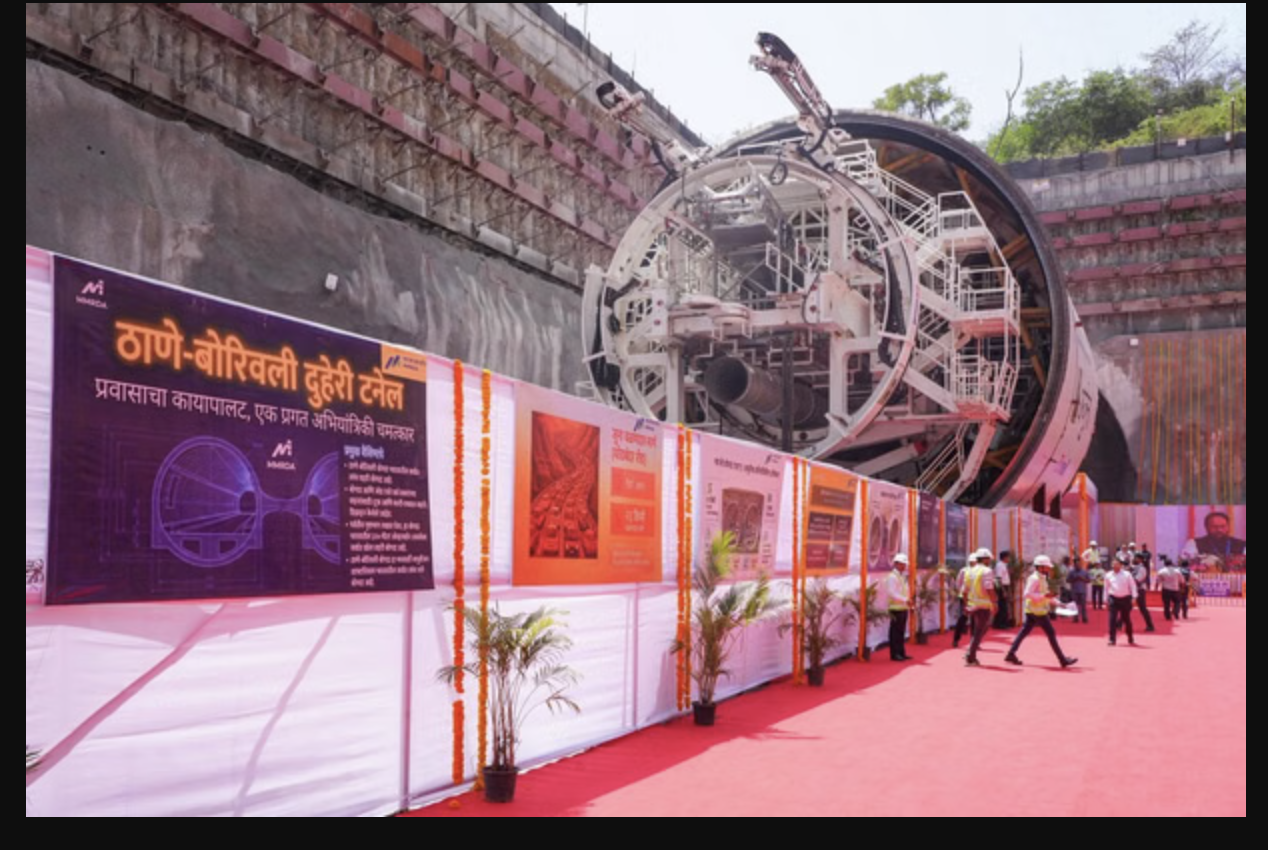
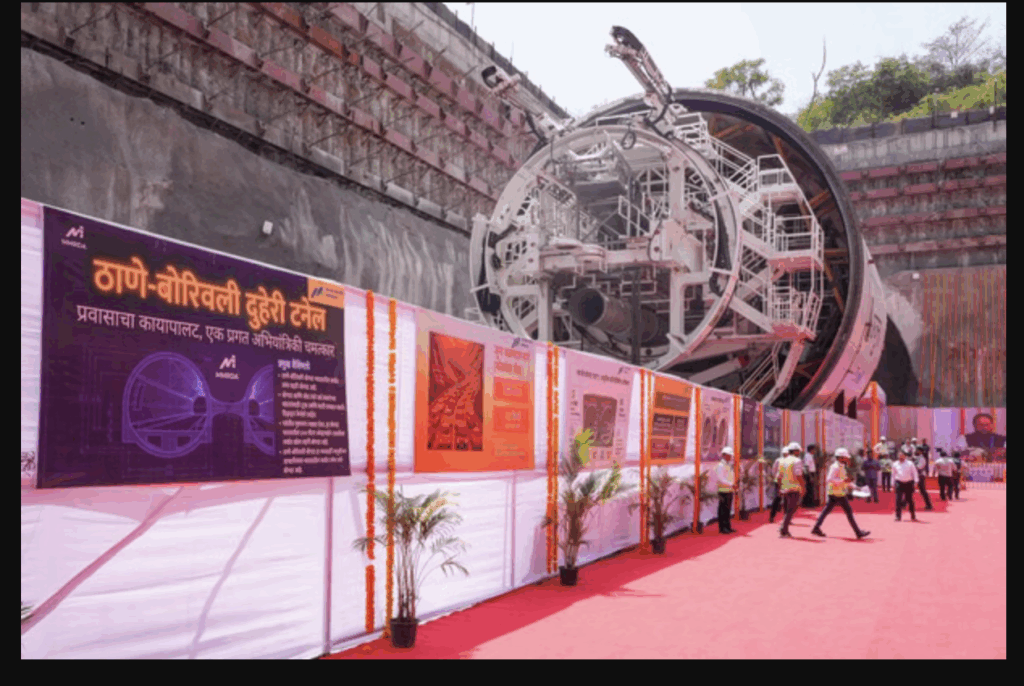
Alongside the pod taxi project, work has also begun on the Thane–Borivali twin tunnel, another major infrastructure initiative aimed at:
- Cutting travel time between Thane and Borivali to minutes
- Reducing congestion on existing routes
- Improving east-west connectivity in Mumbai
Both projects signal a broader push toward next-gen transport infrastructure in the Mumbai Metropolitan Region.
Challenges and Concerns
Despite its promise, the project faces some challenges:
- Land acquisition and inter-agency coordination issues
- Environmental concerns, including tree cutting
- Questions around fare pricing and long-term viability
However, authorities remain optimistic about execution timelines and impact.