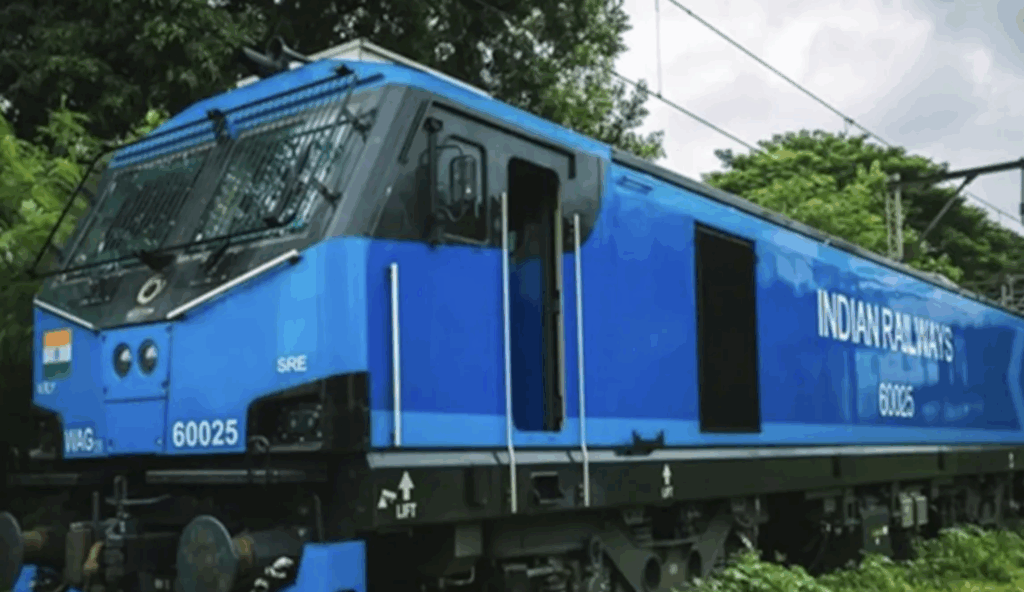
India is on the brink of launching its first hydrogen-powered train, marking a major milestone in the country’s push toward cleaner and more sustainable rail transport. Developed using hydrogen fuel cell technology, this train will run on a pilot route in Haryana and is expected to begin operations in January 2026 after final safety approvals.
A Leap Toward Green Rail Travel
The hydrogen-powered train represents a significant step toward reducing carbon emissions in the rail sector. Unlike conventional diesel locomotives, hydrogen fuel cells generate electricity by combining hydrogen with oxygen, producing only water as a by-product. This makes the technology zero-emission and far more environmentally friendly than traditional fuel sources.
Route And Launch Plan
The train will operate on the route between Jind and Sonipat in Haryana, covering a distance of approximately 89 to 90 kilometres. Authorities have indicated that the train is ready for service and could enter regular operations soon after the final regulatory checks are completed, possibly around late January 2026.
Speed, Capacity And Features
This hydrogen train will be capable of reaching high speeds, with trial configurations showing potential top speeds around 140–150 kilometres per hour. It is designed with multiple coaches and can accommodate a large number of passengers. Reports suggest that the train will feature modern, comfortable interiors and amenities similar to conventional passenger services.
Technical And Infrastructure Highlights
The train is powered by advanced hydrogen fuel cell systems that convert hydrogen into electric power for propulsion. These fuel cells are supported by robust onboard systems developed to ensure safety and reliability. The project also involves infrastructure readiness, including hydrogen storage and handling systems along the route, as well as manufacturing contributions from domestic coach production facilities.
Environmental And Economic Impact
Hydrogen trains are expected to significantly reduce dependence on fossil fuels for rail transport, cutting both carbon and noise pollution. As pilot operations begin, the technology could pave the way for broader adoption of hydrogen-based transport solutions across India’s vast railway network, contributing to national goals for cleaner energy and reduced emissions.
What Comes Next
With regulatory clearance pending, railway officials are completing final checks on safety and operational systems. Once approved, the hydrogen train will begin scheduled services between Jind and Sonipat, opening a new chapter in India’s railway history and showcasing the potential of hydrogen technology in mainstream passenger travel.