India’s ambitious high-speed rail project — commonly known as the bullet train — has hit a major financial milestone: its estimated cost has doubled to about ₹2 lakh crore. This increase has sparked debate over project execution, funding sustainability, and the long-term economic impact of high-speed rail in India.
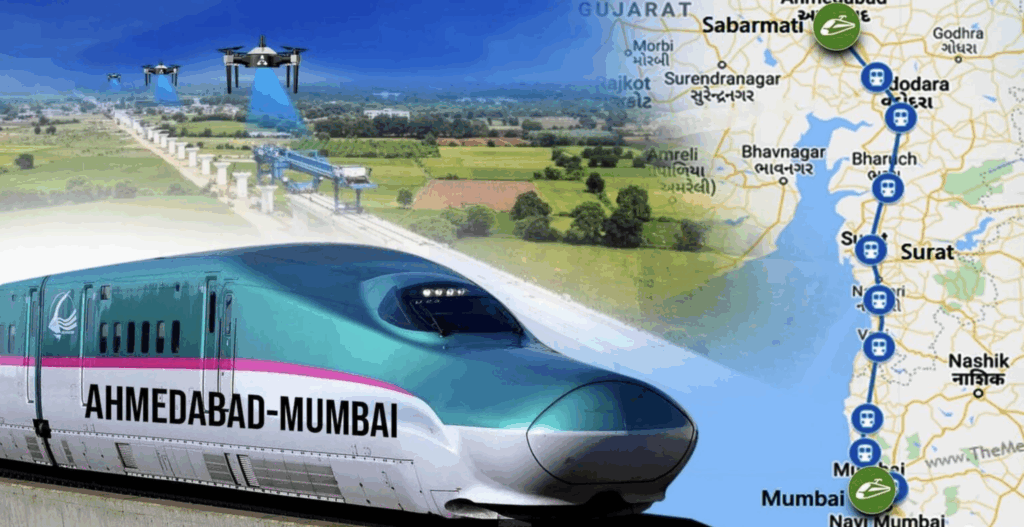
The bullet train, originally conceived as a fast, modern transport link between major cities, has been positioned as a symbol of infrastructure advancement. However, rising costs have brought fresh scrutiny and fresh questions about priorities, benefits, and fiscal planning.
Why the Cost Has Increased
Several factors have contributed to the sharp rise in the project’s estimated cost:
- Inflation and Rising Input Prices: Construction materials such as steel, cement and technology components have become more expensive over time due to inflation and global supply chain pressures.
- Design Changes and Enhancements: Upgrades to safety systems, station infrastructure, signalling, and passenger amenities contribute to higher costs compared with earlier plans.
- Land Acquisition and Compensation: Securing land for the route, especially in urban and peri-urban areas, has proved more complex and costlier than initially expected.
- Delays and Extended Timelines: Delays in clearances, planning revisions, and logistical hurdles have extended timelines, increasing interest and financing costs.
These factors, together, pushed the price tag far above original projections, prompting government and planners to reassess budget and implementation strategies.
What the Bullet Train Project Includes
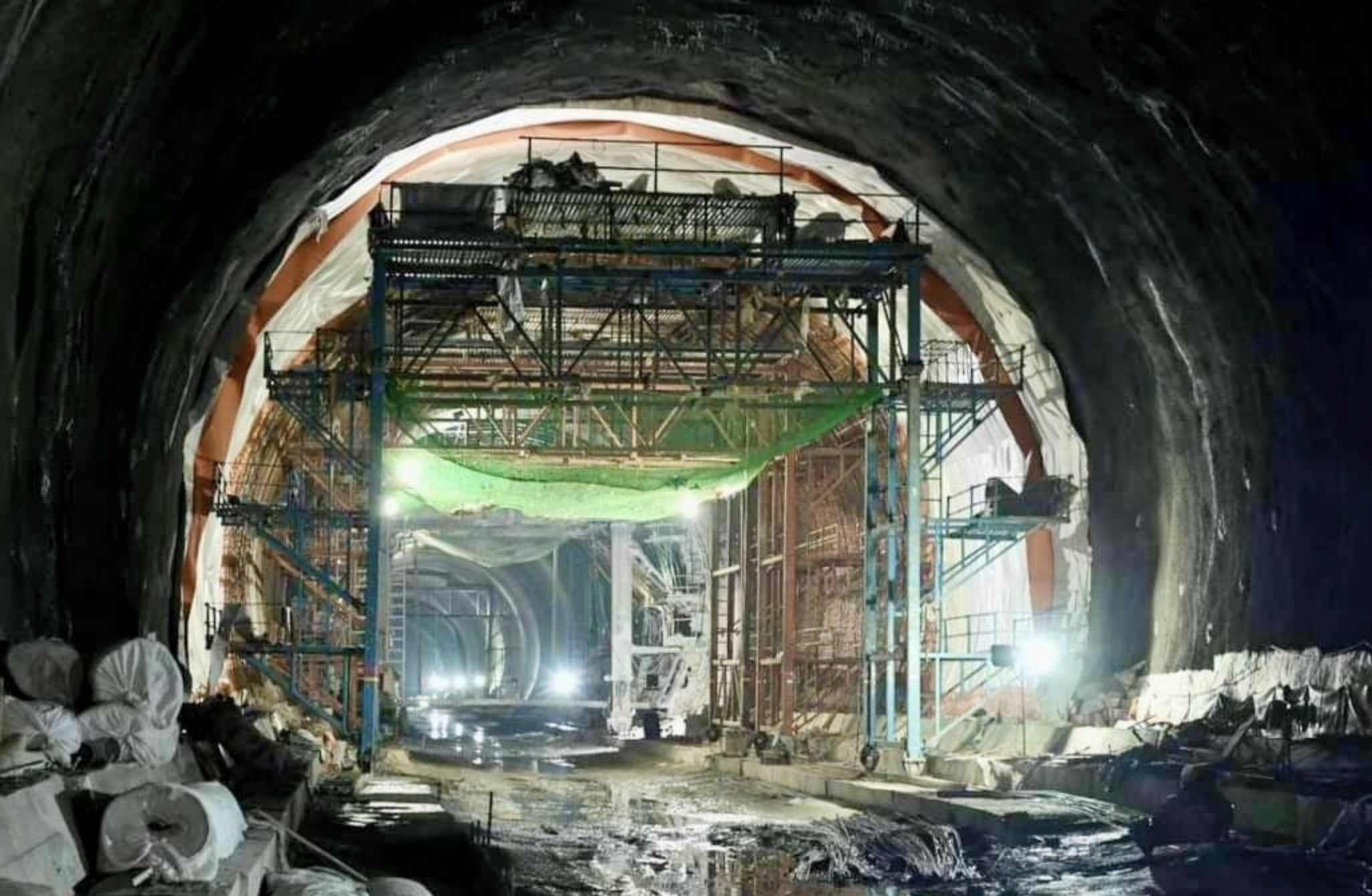
The first bullet train corridor currently under development aims to connect two major metropolitan cities with a semi-high-speed rail route capable of travel speeds much faster than conventional trains. This corridor includes elevated tracks, dedicated stations, state-of-the-art rolling stock, and advanced signalling technologies.
The project also includes non-rail infrastructure such as dedicated depots, maintenance facilities, and enhanced safety systems designed to ensure reliability and high performance.
Benefits Supporters Cite
Proponents of the project argue that, despite cost pressures, the bullet train will deliver long-term benefits:
- Reduced Travel Time: Faster intercity journeys for business and tourism.
- Technology Transfer: Opportunity to adopt modern rail technologies and train Indian engineers and workers.
- Economic Boost: Job creation, improved connectivity, and regional development along the corridor.
- Reduced Road and Air Congestion: A high-speed rail alternative can ease pressure on highways and flights.
Planners say these advantages justify the investment, particularly as India’s population and travel demand grow.
Concerns and Criticisms
Critics question whether such a large investment delivers the best return on public funds, especially when basic rail infrastructure, regional connectivity, and urban transport systems also demand attention. Others argue that benefits may be concentrated in high-income segments rather than benefiting daily commuters or lower-income travellers.
Conclusion
The bullet train project’s cost doubling to ₹2 lakh crore reflects the complexities of executing one of India’s most transformative transport initiatives. Balancing financial sustainability with long-term infrastructure goals will be key as India pushes forward with high-speed rail development.