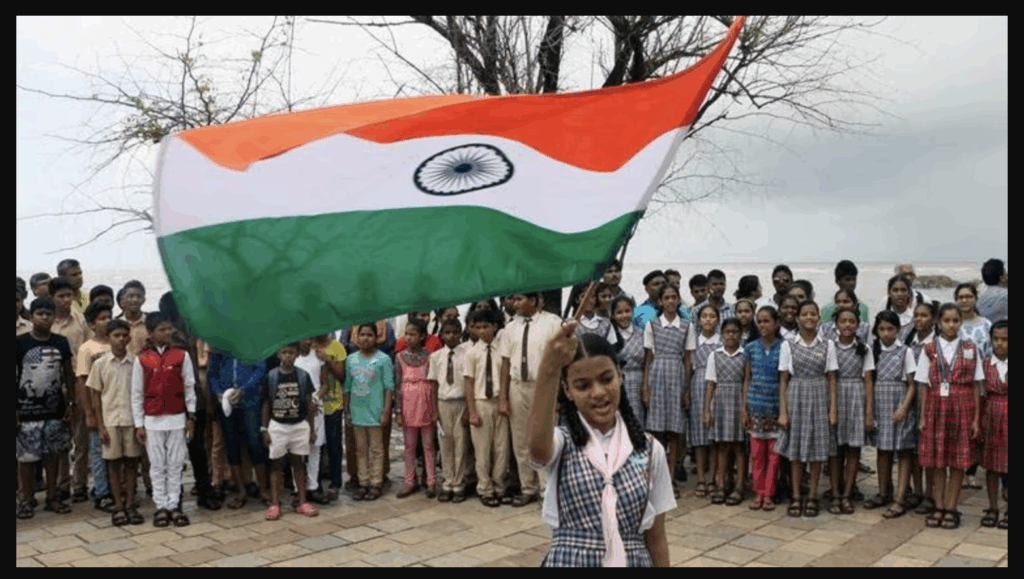
The Indian government is deliberating whether to extend the formal etiquette currently associated with the national anthem, Jana Gana Mana, to the national song Vande Mataram. If adopted, the proposal could require people to stand when Vande Mataram is played or sung, mirroring the respect protocols for the anthem that are widely observed at official functions and public events.
What’s Being Discussed
According to sources familiar with the matter, the Home Ministry is reviewing whether the same rules and decorum applied to the national anthem should also apply to Vande Mataram. The proposal comes as India marks the 150th anniversary of the song’s composition and sees heightened public and official attention to its place in national life. However, no final decision has been taken yet, and officials are still consulting on the details of any new protocol.
Vande Mataram, written by Bankim Chandra Chatterjee and later popularised during the Indian independence movement, was officially adopted as the national song of India in 1950. It holds a deeply felt place in the nation’s patriotic traditions, though it does not currently have the same formal etiquette codified in law as the national anthem.
Current Protocols and Debate
At present, there are no statutory rules requiring citizens to stand for Vande Mataram, even though it is widely respected at cultural and national events. In contrast, the national anthem Jana Gana Mana has well-established protocols — including standing, removing headgear, and facing the flag when it is played — backed by government guidelines and court rulings.
In recent months, the national song has featured prominently in public discourse. Political leaders have called for Vande Mataram to be accorded equal status to the national anthem, and its 150th anniversary has been marked in cultural celebrations. These discussions reflect ongoing debates about national symbols and how they should be honoured in public life.
Potential Implications
If formalised, a standing protocol for Vande Mataram could influence how the song is treated at official ceremonies, school events and public gatherings — similar to the protocol for the national anthem. Supporters argue it would reaffirm respect for a key heritage symbol and promote national unity. Critics might question whether imposing such protocols — particularly when Vande Mataram is not constitutionally mandated with anthem-like status — is appropriate or necessary.
As the government continues its discussions, the issue is likely to prompt wider debate about national identity, cultural tradition, and the role of public etiquette in commemorating India’s history and values.