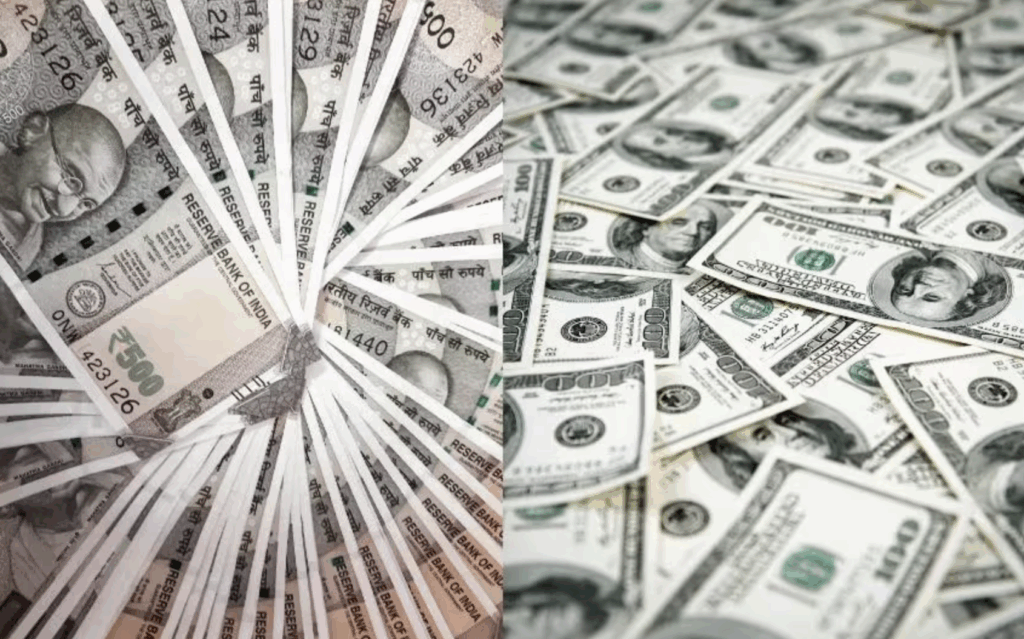
India’s currency has entered uncharted territory. The Indian rupee has fallen below ₹93 per US dollar for the first time ever, marking a historic low and raising concerns about the country’s economic outlook.
What Exactly Happened?
On March 20, 2026, the rupee breached the ₹93 mark, touching levels as low as ₹93.7 against the US dollar during trading.
This is the worst single-day fall in over four years, highlighting the intensity of current global and domestic pressures on the currency.
Why the Rupee Is Falling
1. Surge in Crude Oil Prices
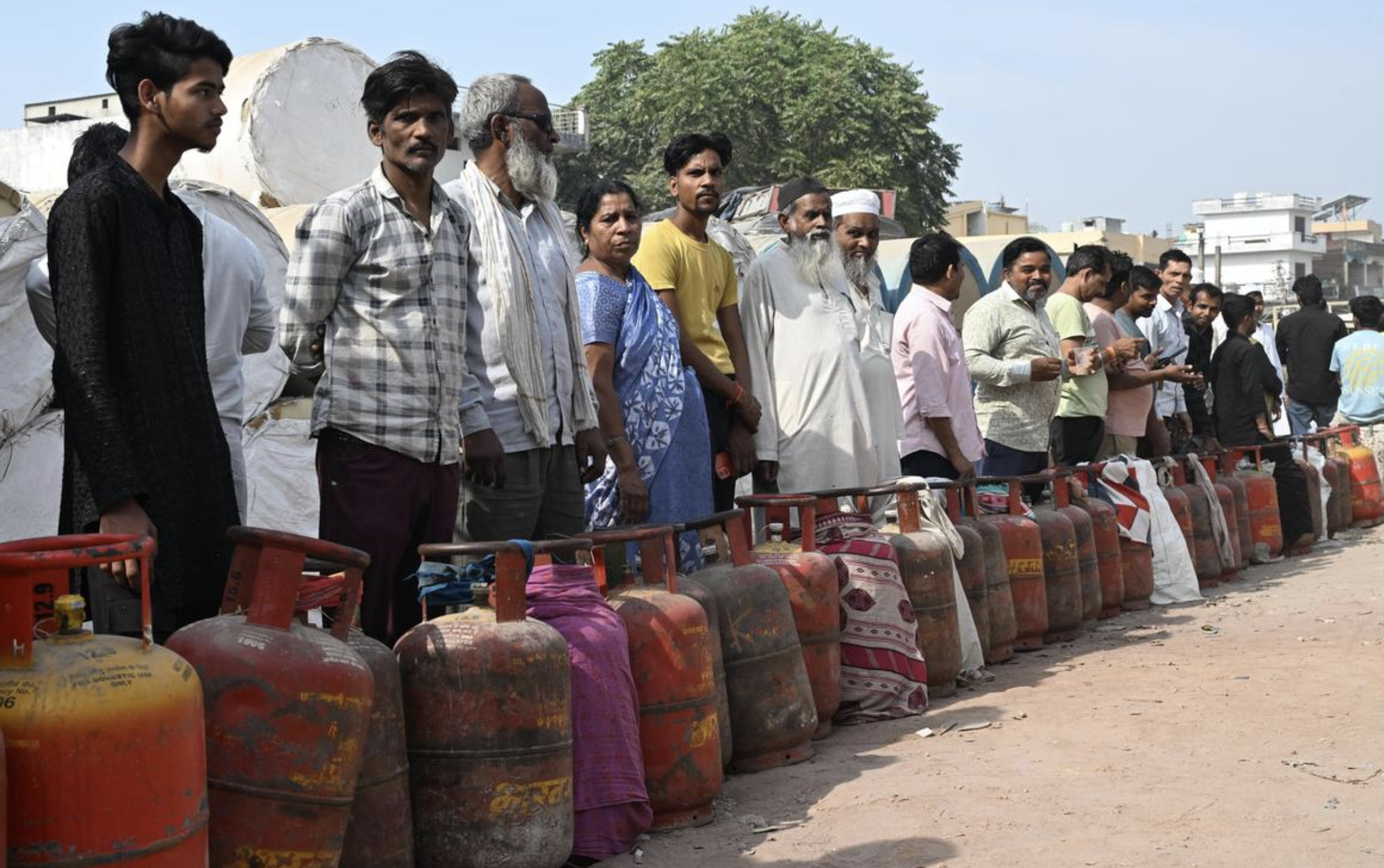
The biggest trigger is the ongoing West Asia conflict, which has disrupted global energy supply.
- Crude oil prices surged close to $120 per barrel
- India imports over 80–90% of its energy needs
Higher oil prices mean India needs more dollars to pay for imports—weakening the rupee.
2. Foreign Investors Pulling Out Money
Foreign institutional investors (FIIs) are rapidly exiting Indian markets:
- Over $8 billion outflow in March alone
When investors pull out, demand for dollars rises—putting further pressure on the rupee.
3. Strong US Dollar
The US dollar has strengthened globally due to:
- Higher interest rates in the US
- Global uncertainty
This makes emerging market currencies like the rupee weaker in comparison.
4. Demand from Oil Companies
Indian oil companies are buying large amounts of dollars to secure fuel imports, increasing demand for USD and pushing the rupee down further.
Impact on India’s Economy
The falling rupee has multiple consequences:
- Costlier imports (fuel, electronics, etc.)
- Higher inflation risk
- Increased pressure on fiscal and current account deficit
However, there is a small upside:
- Exports become more competitive globally
RBI’s Role: Trying to Stabilize
The Reserve Bank of India (RBI) has been actively intervening:
- Selling dollars from forex reserves
- Managing volatility in currency markets
It has already spent billions to prevent excessive depreciation.
What Experts Are Warning
Economists believe that if the geopolitical crisis continues:
- The rupee could weaken further to ₹95 per dollar
- Market volatility may increase
The situation remains highly dependent on global developments, especially oil prices and conflict stability.
Conclusion
The rupee falling below ₹93 is not just a number—it reflects a global economic shock hitting India’s import-dependent economy.
While the government and RBI are working to stabilize the situation, the next few weeks will be crucial. If oil prices remain high and global tensions persist, the rupee may face further pressure.