Indian Railways will conduct a high-speed safety and controllability trial on the busy Mumbai–Pune corridor on Friday, August 29. The Research Designs and Standards Organisation (RDSO) will operate a specially configured test train consisting of a WAP5 locomotive, 24 ICF coaches, and an inspection car between Lonavala (LNL) and Karjat (KJT).

Purpose of the Trial
The trial aims to test Emergency Braking Distance (EBD), Full Service Braking Distance (FSBD), and overall controllability of long passenger trains on the steep gradients of the Western Ghats. Running at speeds up to 60 km/h, the tests will assess whether trains can operate safely and reliably without mandatory brake-check halts at Khandala and Monkey Hill, which currently delay services by 2–5 minutes.
Testing Schedule and Safety Measures
The schedule includes two through runs (without halts) and two non-recording runs to validate operational reliability. To ensure safety, additional locomotives, technical staff, and safety personnel will accompany the trial train. Authorities emphasized strict adherence to protocols, with specialized instrumentation onboard for accurate measurement and round-the-clock security arrangements.
Significance for Mumbai–Pune Passengers
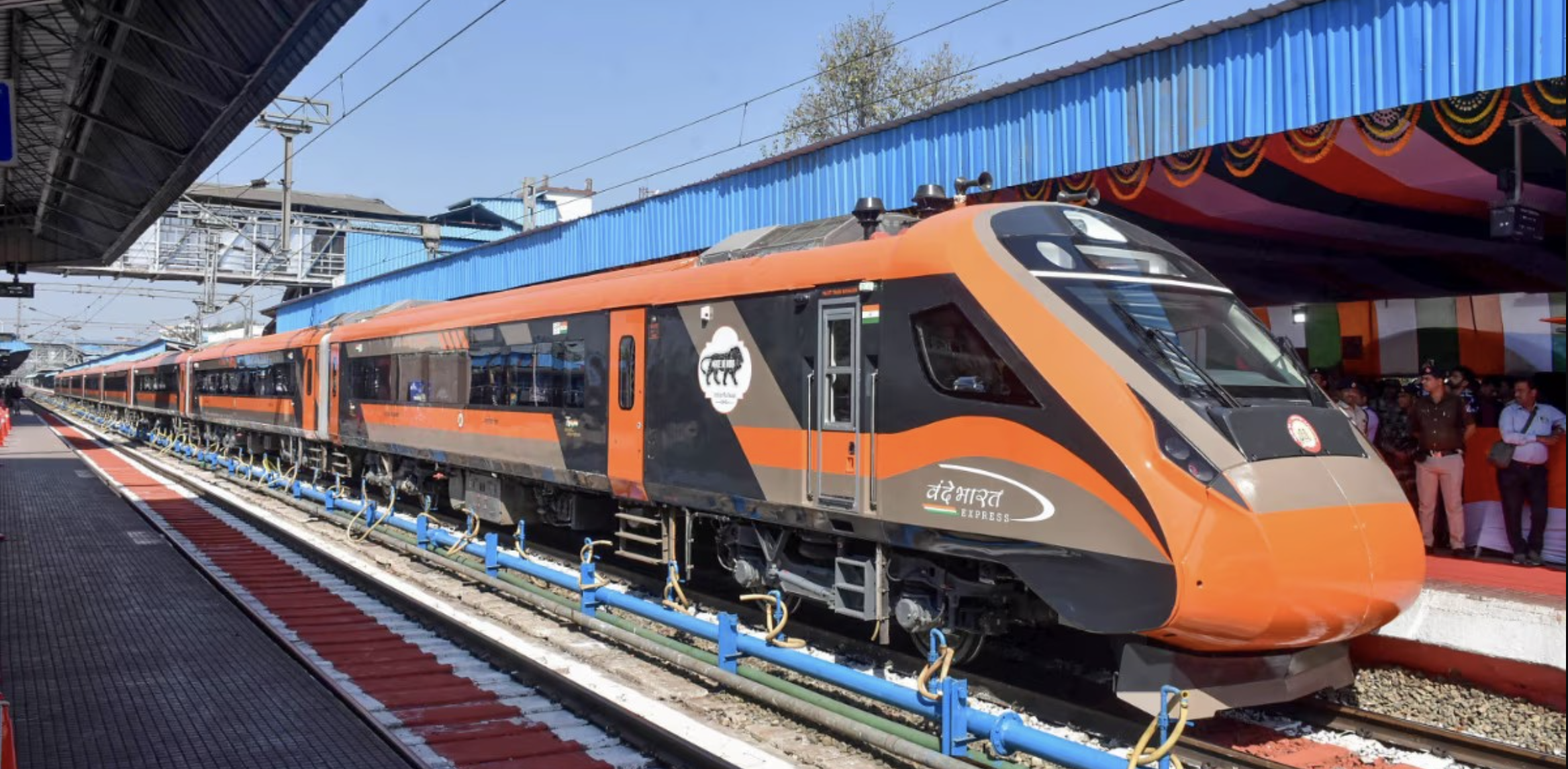
The Mumbai–Pune route is one of India’s busiest intercity corridors, home to premium trains like the Deccan Queen, Intercity Express, and Vande Bharat Express. Efficient braking and controllability are crucial for handling steep ghat gradients safely. A successful trial would eliminate stoppages for brake checks, improve punctuality, and ease congestion, ultimately making journeys faster and more reliable for lakhs of daily commuters.
Building on Earlier Trials
Railways had earlier conducted a similar test between Kasara and Igatpuri in the Nashik ghat section, with reports still awaited. Combined insights from both corridors will help shape future safety standards, modernize operations, and enhance confidence in running longer trains at higher speeds across ghat terrains.
Broader Benefits
- Enhanced Passenger Safety: Reliable braking on steep gradients reduces accident risks.
- Improved Efficiency: Minimizes delays from brake checks and banking engines.
- Faster Travel: Supports future speed upgrades on the Mumbai–Pune line.
- Operational Modernization: Aligns with Indian Railways’ long-term plan for high-speed and heavy-haul services.
Conclusion
If successful, the trial will mark a major step toward safer, faster, and more efficient travel on the Mumbai–Pune corridor, reinforcing Indian Railways’ commitment to modernization and passenger convenience.