Indian Railways has achieved a major milestone by becoming the largest electrified railway network globally, with almost the entire broad-gauge system now running on electric traction. This development reflects the railways’ accelerated shift toward cleaner, faster, and more efficient operations across passenger and freight services.
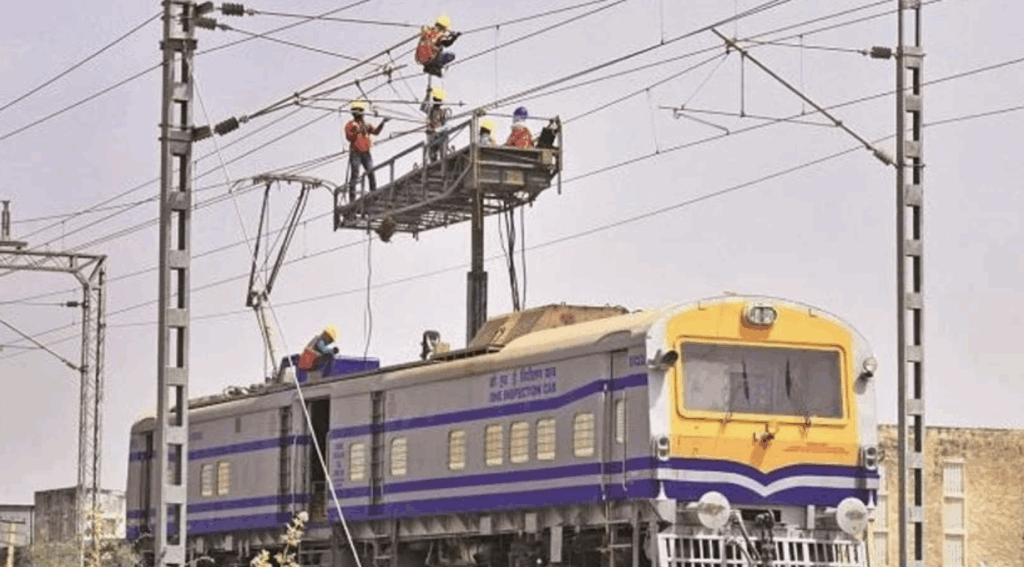
Almost Entire Network Electrified
According to the latest update, nearly 100% of India’s broad-gauge network has been electrified. The scale of the network makes this feat particularly significant — India operates one of the world’s most extensive rail systems by route length, geographical spread, and daily passenger volume.
Electrification work, which had been progressing at a moderate pace for decades, witnessed a rapid acceleration over the last several years, enabling the railways to replace diesel traction across long corridors, remote segments, and high-density freight routes.
Benefits Of Full Electrification
Switching to electric traction brings substantial environmental, operational, and economic benefits. Key advantages include:
- Lower carbon emissions compared with diesel locomotives
- Reduced fuel costs due to the shift away from imported diesel
- Higher energy efficiency and improved traction power
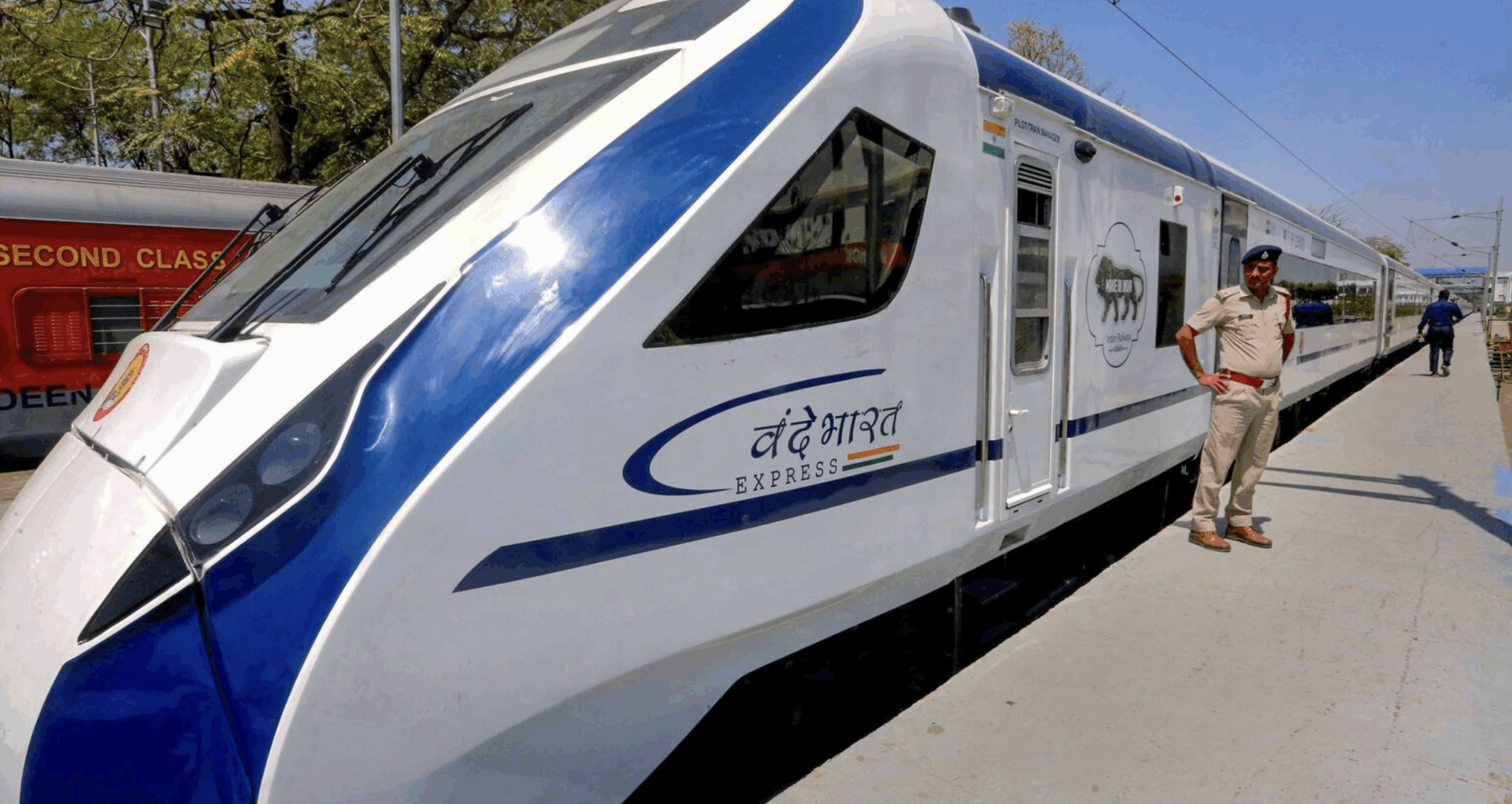
- Better acceleration and higher speeds for passenger services
- Greater reliability for freight operations
The shift also supports India’s broader climate and sustainability goals by pushing a core national transport system toward cleaner energy sourcing.
Boost To Renewable Integration
Alongside electrification, Indian Railways has been increasing its adoption of renewable energy, particularly solar power, to reduce dependence on conventional electricity sources. Solar installations at stations, workshops, depots, and railway buildings have steadily increased, with plans to expand renewable-based traction support in the future.
This integration strengthens long-term energy security and reduces operating costs, especially as renewable production scales.
Freight And Passenger Impact
Passenger services stand to benefit from smoother rides, improved punctuality, and faster acceleration, making journeys more comfortable and time-efficient. For freight operations, electrification allows longer, heavier rakes to move at higher speeds, reducing logistics costs and improving turnaround times for industries that depend heavily on rail freight.
Strategic Importance For India
Becoming the world’s largest electrified rail system enhances India’s position in global rail modernisation. Few nations operate networks of comparable size, and even fewer have electrified them at this scale. The achievement marks a defining shift toward 21st-century rail operations, both in terms of energy transition and economic efficiency.