As per the recent study by the Indian Council of Medical Research-India Diabetes (ICMR-INDIAB), it has been identified that the changing dietary habits among Indians are closely associated with rising rates of diabetes and obesity.
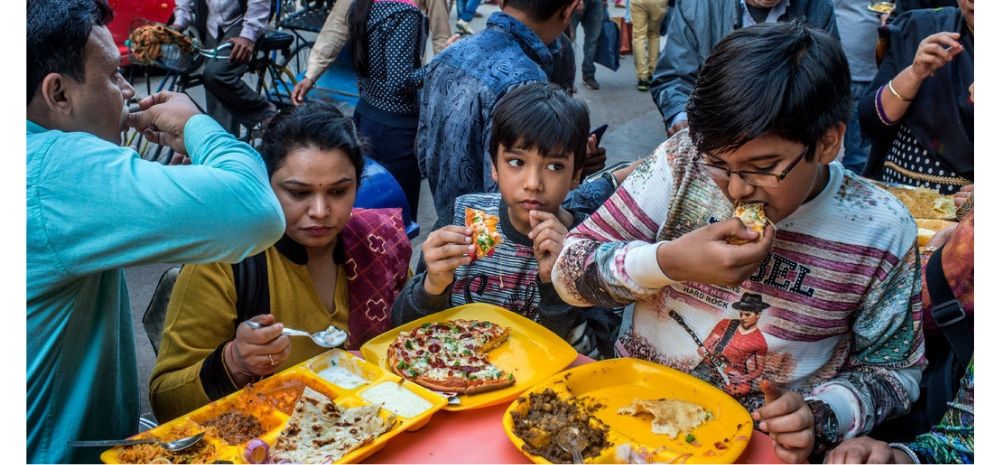
Dietary Patterns and Regional Variations in Macronutrient Intake
As many as 1,21,077 adults from both urban and rural settings were surveyed across 36 – states, union territories, and the National Capital Territory (NCT)-Delhi. The scope of the survey, due to its vastness, provides an extensive overview of dietary intake and its links to metabolic risks.
Detailed food consumption data from significant subset enabled researchers to map the regional differences in macronutrient consumption and health outcomes.
As per the study, which was published in the Nature Medicine, showed that the Indian diets are among the highest in the carbohydrates globally, comprising of 62% of total calories consumed.
Much of this intake is from low-quality foods such as white rice, milled whole grains, and added sugar. Regional patterns reveal that the wheat dominates in the North and Central regions, whereas the white rice is more prevalent in the South, East and Northeast.
Despite being nutrient rich, millets, are staple foods in only three states – Karnataka, Gujarat, and Maharashtra.
When it comes to sugar, then the consumption of the same is high nationwide, with 21 states and union territories exceeding the recommended intake of less than 5% of total calories from added sugar. It is with pattern, combined with the high carbohydrate intake, is linked to increasing metabolic risks, such as diabetes, prediabetes, and obesity.
Fat and Protein Intake, Health Impacts, and Policy Implications
As per the research, the fat and protein intake was also examined and while the total fat consumption in India generally stayed within the recommended limits, saturated fat intake exceeded the advised threshold for metabolic health in nearly all states except Jharkhand, Chhattisgarh, Arunachal Pradesh, and Manipur. The intake of healthier fats, such as monounsaturated and omega-3 polyunsaturated fats, was found to be low across the country.
The lead author and President of the Madras Diabetes Research Foundation, Dr. R.M. Anjana, stated that “Our findings clearly show that typical Indian diets, heavy in carbohydrates from white rice or whole wheat flour, and low in quality protein are putting millions at risk. Simply switching from white rice to whole wheat or millets is not enough unless total carbohydrate intake decreases and more calories come from plant or dairy proteins.”
With only 12% of daily calories coming from protein, the consumption of the same was identified as suboptimal and this protein comes from plant-based sources like cereals, pulses, and legumes, while dairy and animal protein intake remains low at 2% and 1% of energy, respectively.
As per the region wise analysis, the northeast was observed to have the highest protein intake, however, widespread protein gap was definitely noted in the Indian diets.
A senior author and Chairman of Madras Diabetes Research Foundation, Dr. V. Mohan, called for policy action: “These nationwide findings should inspire policy reforms, especially regarding food subsidies and public health messaging to help Indians shift towards diets richer in plant-based and dairy proteins, and lower in carbohydrates and saturated fats.”
Dr. Shilpa Bhupathiraju, co-senior author, added, “Reducing saturated fat remains a challenge. Encouraging healthier oils and more pulses and legumes could make a major difference to the health of the Nation.”
Strong association between high carbohydrate intake from sources like white rice, milled whole grains, and added sugars and increase in metabolic risks has been identified by the investigators.
As per their analysis, substituting just 5% of daily calories from carbohydrates with plant or dairy proteins could significantly lower the risk of diabetes and prediabetes.
Replacing carbohydrates with red meat protein or fats did not offer the same benefit.