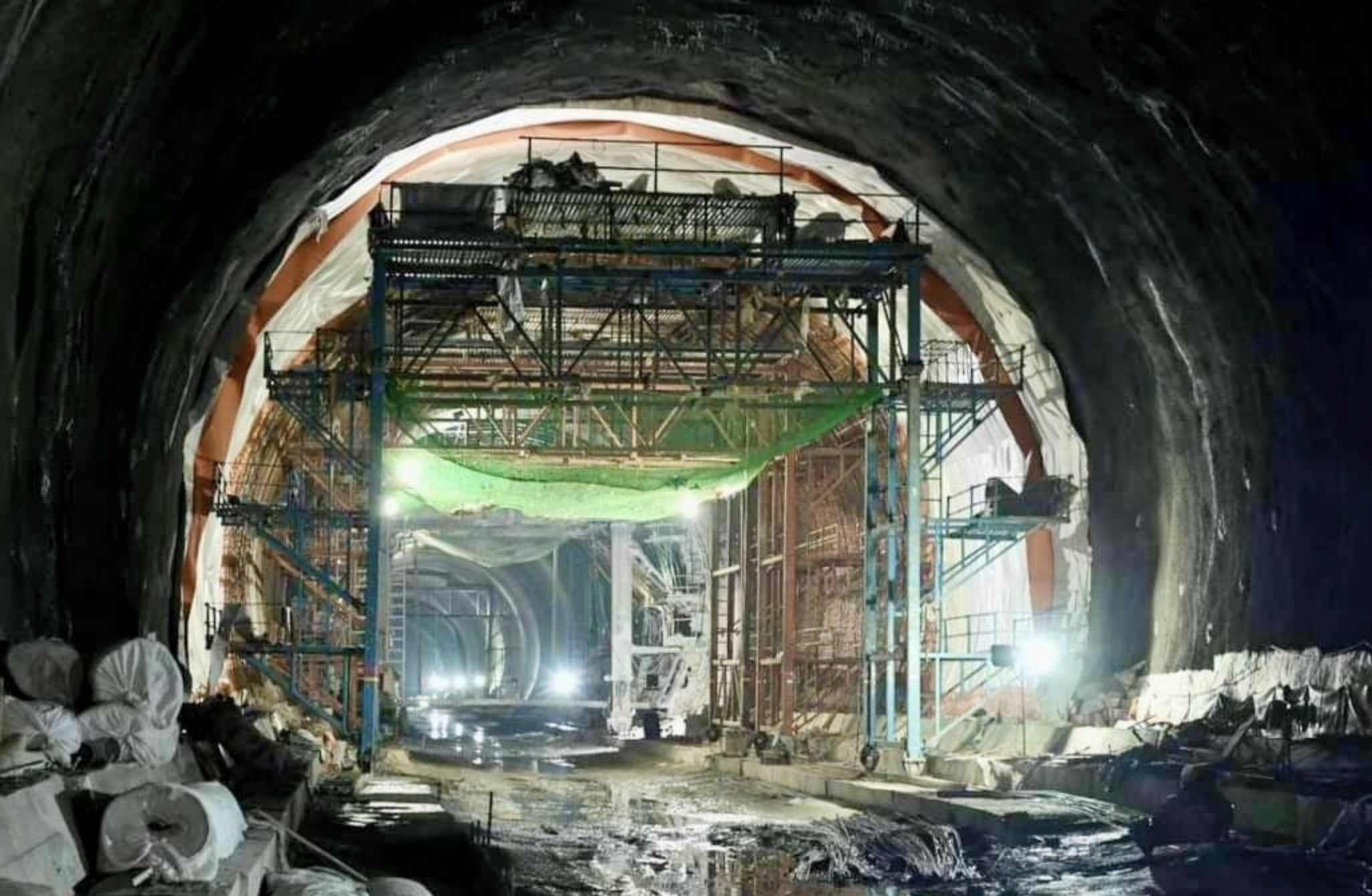
India is exploring a major shift in how nuclear energy is produced and distributed. Instead of relying only on massive nuclear power plants located far from cities, the government is now considering small nuclear reactors that could be installed closer to towns and industrial areas.
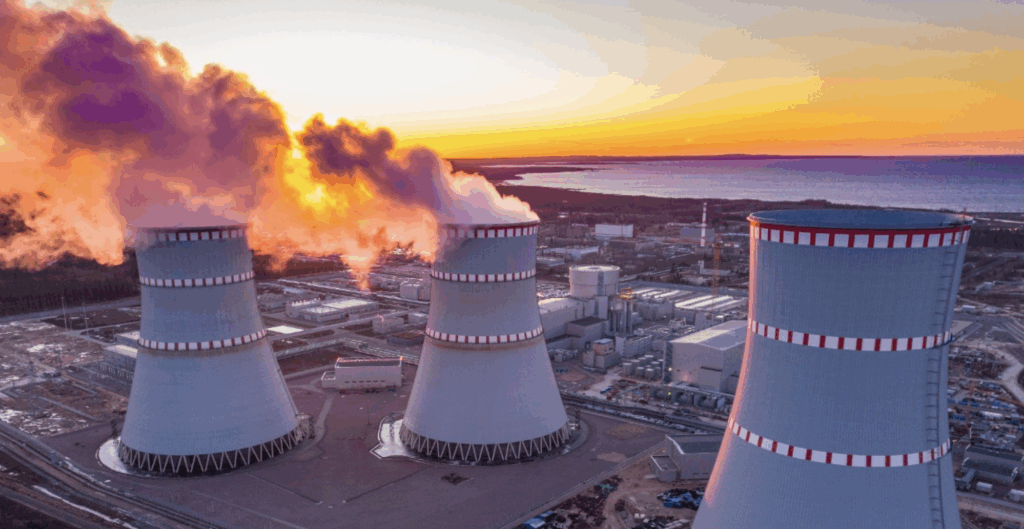
These compact reactors are part of a new generation of nuclear technology aimed at producing clean energy on a smaller and more flexible scale.
India’s Plan for Small Modular Reactors
According to officials from the Atomic Energy Commission (AEC) and the Department of Atomic Energy (DAE), India plans to introduce small modular reactors (SMRs) that can generate nuclear power locally.
Unlike traditional nuclear plants that require large infrastructure and huge investments, SMRs are designed to be smaller, modular and easier to deploy. These reactors can be assembled in modules and installed in multiple locations depending on local energy needs.
Most SMRs produce between 30 MW and 300 MW of electricity, significantly less than conventional reactors but enough to supply power to towns, industrial clusters or specialised facilities.
Why Smaller Nuclear Plants Matter
One of the biggest advantages of small reactors is decentralised power generation. When electricity is produced closer to where it is used, transmission losses are reduced and grid efficiency improves.
Officials say these reactors could help supply reliable power to small towns, remote areas and industrial zones that may not have easy access to large power plants.
Another major benefit is their potential role in clean energy transition. Nuclear power generates electricity without carbon emissions during operation, making it an attractive option for countries trying to reduce reliance on coal and fossil fuels.
How SMRs Work
Small modular reactors operate using the same basic principles as traditional nuclear reactors. They use controlled nuclear fission to generate heat, which is then converted into electricity through steam turbines.
However, SMRs are designed with advanced safety systems and simplified construction techniques. Many designs include passive safety features that automatically shut down the reactor during abnormal conditions, reducing the risk of accidents.
Because the components are factory-manufactured and assembled on site, SMRs can also be built faster and potentially at lower cost compared to large nuclear plants.
A New Direction for India’s Energy Strategy
India is already expanding its nuclear power programme, with several large plants under construction and new reactor technologies being developed. The introduction of SMRs could complement these efforts by providing flexible, scalable and low-carbon energy solutions.
If the plan succeeds, small nuclear reactors could become a common part of local power infrastructure, supporting industries, towns and future energy-intensive sectors like data centres.
While the technology is still developing globally, India’s push toward modular nuclear reactors suggests that clean nuclear power may soon move closer to communities instead of remaining confined to large remote facilities.