Soaring into aviation boom, but running out of pilots in the pipeline – that is the current story of India. With 1,700 aircraft currently on order by domestic airlines, there is a need of approximately 30,000 new pilots to man them. This staggering number and demand is reflective of the upcoming surge in commercial aviation investment.
India’s Aviation Boom and Pilot Shortage
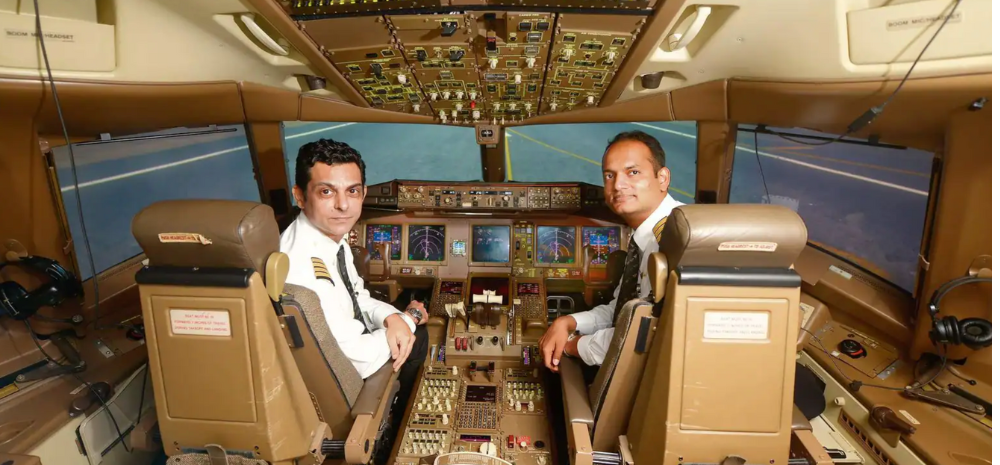
The minister highlighted that, at the moment, the nation has almost 8,000 licensed pilots, of whom 2,000–3,000 are not actively flying. He also highlighted that the existing pilot training capacity is inadequate and urged a rapid expansion of Flying Training Organizations (FTOs) to bridge the looming gap.
As per the aviation minister Ram Mohan Naidu, each aircraft requires 10–15 pilots, the 1,700-aircraft order book translates into demand for 25,000–30,000 pilots when the planes are delivered.
Given the nation’s role as one of the world’s fastest-growing aviation markets, this expansion is both notable and inevitable.
In order to meet this surge, Naidu has proposed elevating the nation’s pilot-training infrastructure, rating 38 FTOs nationwide, and encouraging high-quality institutions. He also floated the idea of developing training-oriented airports, similar to cargo hubs, to support future pilot education.
Further pointing out the indirect employment, the minister added that this demand of pilots further has a broader economic impact, with one aviation job generating up to 15 indirect positions in sectors such as logistics, maintenance, and airport services — far exceeding the six indirect jobs per aviation job estimated by IATA.
Reflecting on the current dire shortfall condition in the aviation pilot numbers, he said that the nation currently has a fleet of about 834 aircraft, yet fewer than 8,000 pilots are fully active.
India Eyes Pilot Training Expansion and Aerospace Make-in-India Push Amid Aviation Boom
As per the minister, the existing FTOs lack the capacity to scale up, warning that without urgent enhancement, the pilot shortfall could derail fleet expansion plans. He reaffirmed the government’s commitment to evaluating and upgrading training organisations, proposing a rating system to ensure their quality and capacity.
In parallel, he also shared the broader vision for India – to make the nation a global training hub for pilots – to not just meet the domestic demand, but make the nation attractive for international cadets as well.
With the ambitious “Make in India” plans in aerospace, the government is planning to boost domestic aircraft-component manufacturing from US$2 billion to US$4 billion by 2030, reinforcing a long-term plan to develop, produce, and maintain aircraft within India.
He proposed dedicated cargo and training airports to support aviation growth, as India may need 30,000 pilots in the next 15–20 years.
The government is backing expanded training infrastructure, FTO capacity, and domestic aircraft manufacturing to meet demand.
Summary
With 1,700 aircraft on order, a need for up to 30,000 new pilots, and only 5,000–6,000 active licensed pilots, India faces a severe pilot shortage amid a rapidly expanding aviation sector. The government plans to expand Flying Training Organizations, implement quality ratings, develop training-focused airports, and strengthen domestic aircraft manufacturing under ‘Make in India,’ aiming to meet rising domestic demand and establish India as a global pilot-training hub.