India is looking to take its booming medical tourism sector to the next level. Union Minister Piyush Goyal announced that the government is considering visa-on-arrival facilities for medical tourists from the United States and several European countries. The proposal, if implemented, could help India position itself as the world’s leading destination for affordable, high-quality healthcare.
India’s Medical Tourism on a Strong Growth Trajectory
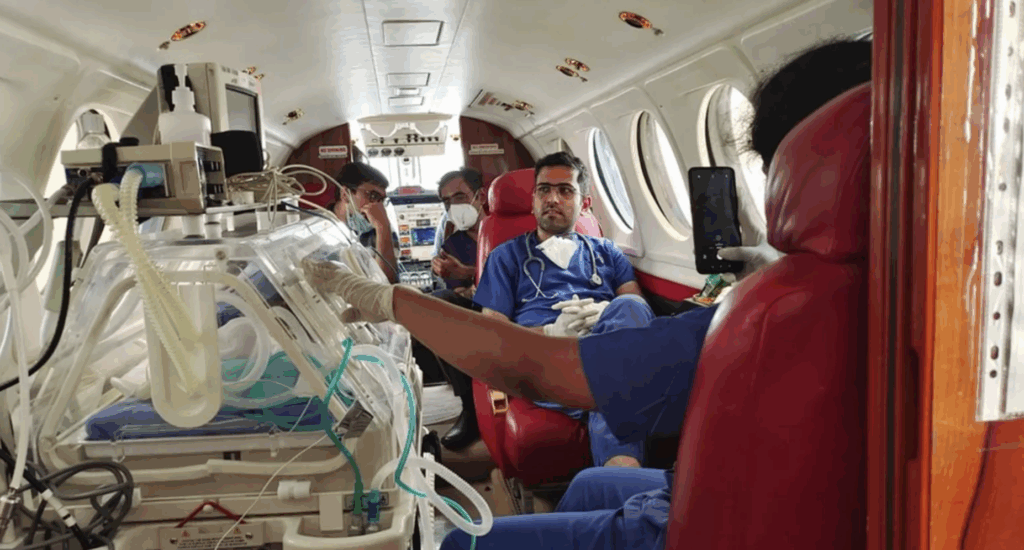
India has rapidly become a global hub for medical tourism, offering world-class healthcare services at a fraction of Western costs.
According to data from the Ministry of Tourism, 1.31 lakh people travelled to India for medical treatment by April this year, while 7.3 million medical tourists visited the country in 2024 — up from 6.1 million in 2023.
Most medical visa holders currently come from Bangladesh, Iraq, and Somalia, though there is a growing number of patients from developed countries such as the US and UK — with 1,911 and 785 visitors respectively in 2024.
India ranks 10th globally on the Medical Tourism Index (MTI), offering specialized procedures including cardiac surgeries, organ transplants, IVF, and cancer treatments at highly competitive prices. The presence of skilled medical professionals, advanced facilities, and the integration of traditional wellness systems like Ayurveda further strengthen its appeal.
An $800 Billion Global Market Opportunity
At the CII Health Summit in New Delhi, Goyal highlighted that the global medical travel market is valued at around $800 billion and could expand to $1 trillion with the integration of wellness and fitness services.
He emphasized that India can become the center of this ecosystem, combining cost competitiveness, modern medical innovation, and traditional wellness practices.
Industry reports project India’s medical tourism market to grow at a 12.3% CAGR, reaching $58.2 billion by 2035, up from $18.2 billion in 2025, according to a study by FHRAI and KPMG.
Challenges Ahead: Infrastructure Gaps Beyond Metros
While metro cities like Delhi, Chennai, and Mumbai dominate the sector, Tier-II and Tier-III cities still face major infrastructure gaps. According to FHRAI, these regions, despite contributing 50% to India’s $216 billion healthcare economy, lack advanced hospital facilities, trained manpower, and transport connectivity.
Over $32 billion in investment opportunities exist in these areas, but much remains untapped.