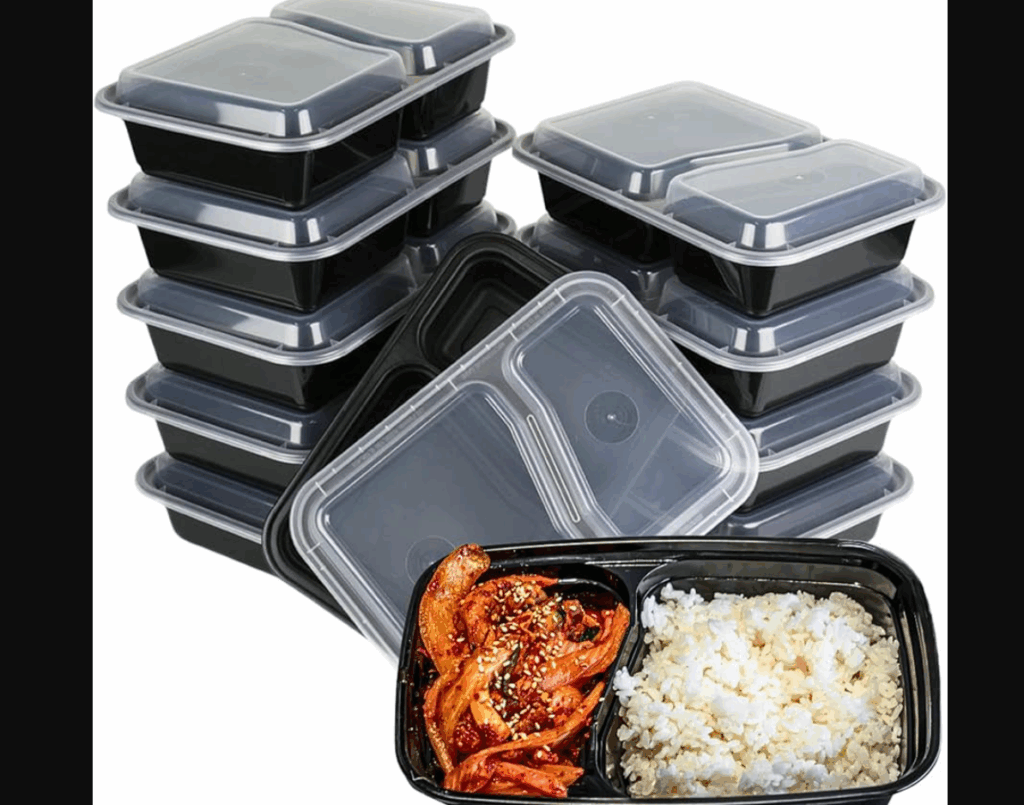
Rising temperatures and changing lifestyles, especially the growth in food delivery, have prompted the Centre to plan a major scientific study on whether plastic containers, pouches, and bags used for items like curries, gravies, and rice remain safe in India’s extreme weather conditions.
The study will be carried out by the Bureau of Indian Standards (BIS), the standardization wing of the consumer affairs ministry.
Centre Plans Scientific Study to Test Safety of Plastic Food Packaging Amid Rising Heat and Delivery Demand
Its goal is to assess whether current packaging safety limits remain effective amid higher heat levels, longer transport times, and new storage patterns influenced by climate change.
The research will evaluate how chemicals from different kinds of plastic—such as PET, recycled PET, polycarbonate, and laminated films—leach into food when exposed to high heat and humidity.
The findings will help determine whether the Food Safety and Standards (Packaging) Regulations, 2018 need to be updated.
Any revisions to the packaging rules will increase compliance requirements for major food delivery companies like Zomato and Swiggy.
The issue carries major implications for India’s $22.48 billion plastic packaging market and its $48 billion food delivery sector.
India’s online food delivery market is projected to grow at a CAGR of 27.3% and reach $537.23 billion between 2025 and 2034.
Queries sent to the consumer affairs ministry, BIS, Zomato, and Swiggy did not receive responses before publication.
Record Heat Waves Trigger Review of Packaging Norms as Temperature Shifts Threaten Material Integrity
The evaluation of packaging norms began because India is experiencing record heat waves, especially in northern and western regions, where even small temperature changes can affect packaging integrity.
Based on the study’s conclusions, the relevant rules will be modified.
Ashim Sanyal, CEO of Consumer Voice, said, “With India’s climatic profile changing and delivery-based food consumption becoming a daily norm, it’s essential to test packaging safety in real Indian conditions rather than rely only on global standards.”
Sanyal added that the study “could serve as a model for other tropical economies where similar environmental pressures affect packaging performance.”
Ankit Gupta, president of the Authentication Solution Providers’ Association, said the initiative is “both timely and essential.”
Gupta emphasized that rising consumer concerns about packaging integrity make it crucial to ensure packaging preserves product quality, maintains authenticity and traceability, and remains safe even in higher temperatures.
He added that as climate conditions continue changing, this effort will be key to strengthening consumer trust and encouraging innovation toward safer, more sustainable, and more authentic packaging.