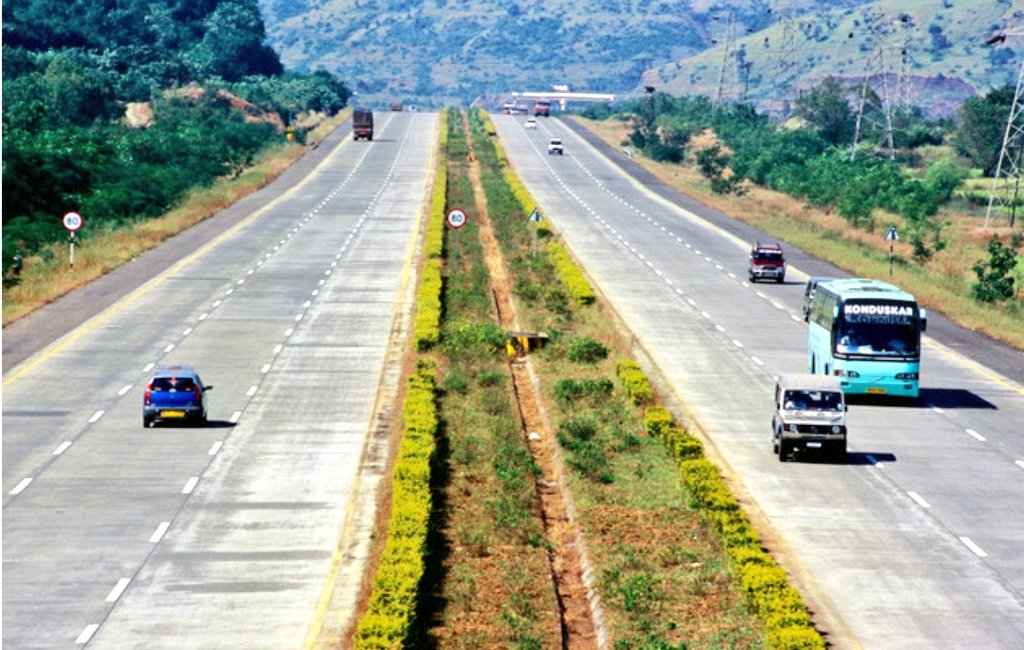
The central government has decided that motorists will pay lower toll charges when using expressways that are not yet fully operational from start to finish.
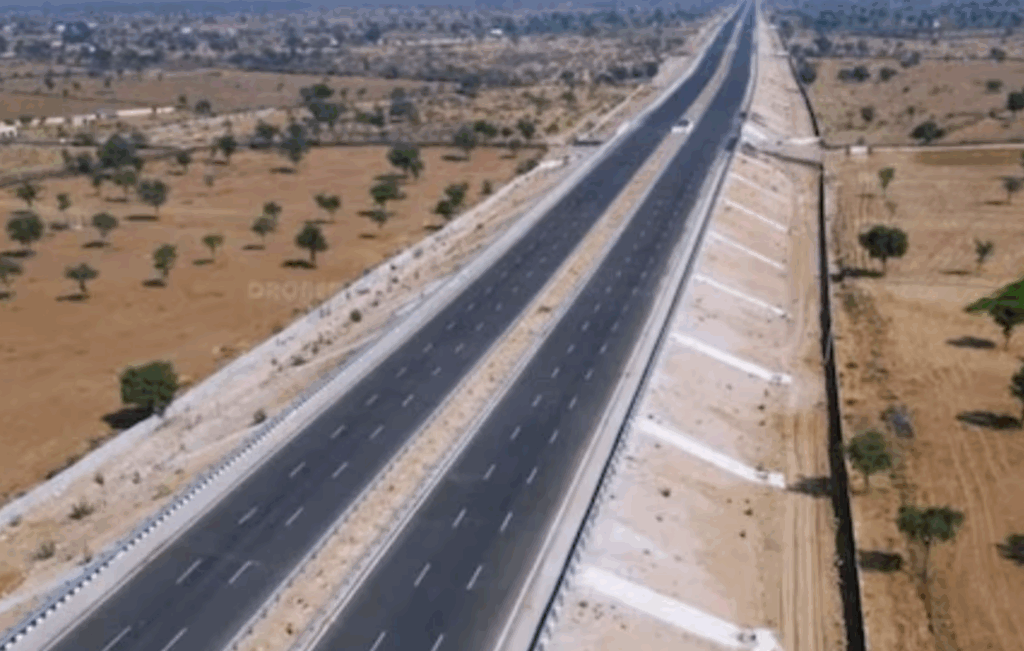
The ministry of road transport and highways introduced this change through an amendment to the National Highways Fee (Determination of Rates and Collection) Rules, 2008.
Government Cuts Toll Rates on Partially Open Expressways Through New Rule Amendment
In its official notification, the ministry stated, “Under this, when a National Expressway is not open end to end, the toll fee will be charged for the completed length at a lower rate as applicable for the national highway. The amended rules will come into effect from February 15, 2026.”
Previously, drivers were required to pay toll charges that were 25 percent higher than standard national highway rates on expressways.
This higher fee applied even if only a portion of the expressway was open to traffic.
The premium was justified on the grounds that expressways are access-controlled and designed for smoother, faster travel.
However, commuters had raised concerns about paying full expressway rates without receiving uninterrupted, end-to-end connectivity.
The new amendment removes this additional 25 percent charge for stretches that are incomplete.
Incomplete Expressways to Be Charged at Standard National Highway Toll Rates
As a result, users will now be charged at the regular national highway rate for the operational portion of such expressways.
The ministry clarified that this adjustment applies only when the expressway is not fully open along its entire alignment.
The amendment, formally titled the National Highways Fee (Determination of Rates and Collection) (Amendment) Rules, 2026, is intended to encourage greater use of available expressway segments.
By making tolls more affordable, the government hopes commuters will shift to these open stretches.
This shift is expected to ease congestion on older national highways that run parallel to newly built expressways.
Authorities believe the move will help speed up both passenger and freight movement.
Reduced congestion on older highways is also expected to lower pollution levels caused by traffic bottlenecks.
The revised toll structure will remain applicable for up to one year from the date of notification.
Alternatively, it will cease earlier if the expressway becomes fully functional before that one-year period ends.
The ministry described the change as “another Government of India initiative to make journeys more seamless and economical” for highway users.
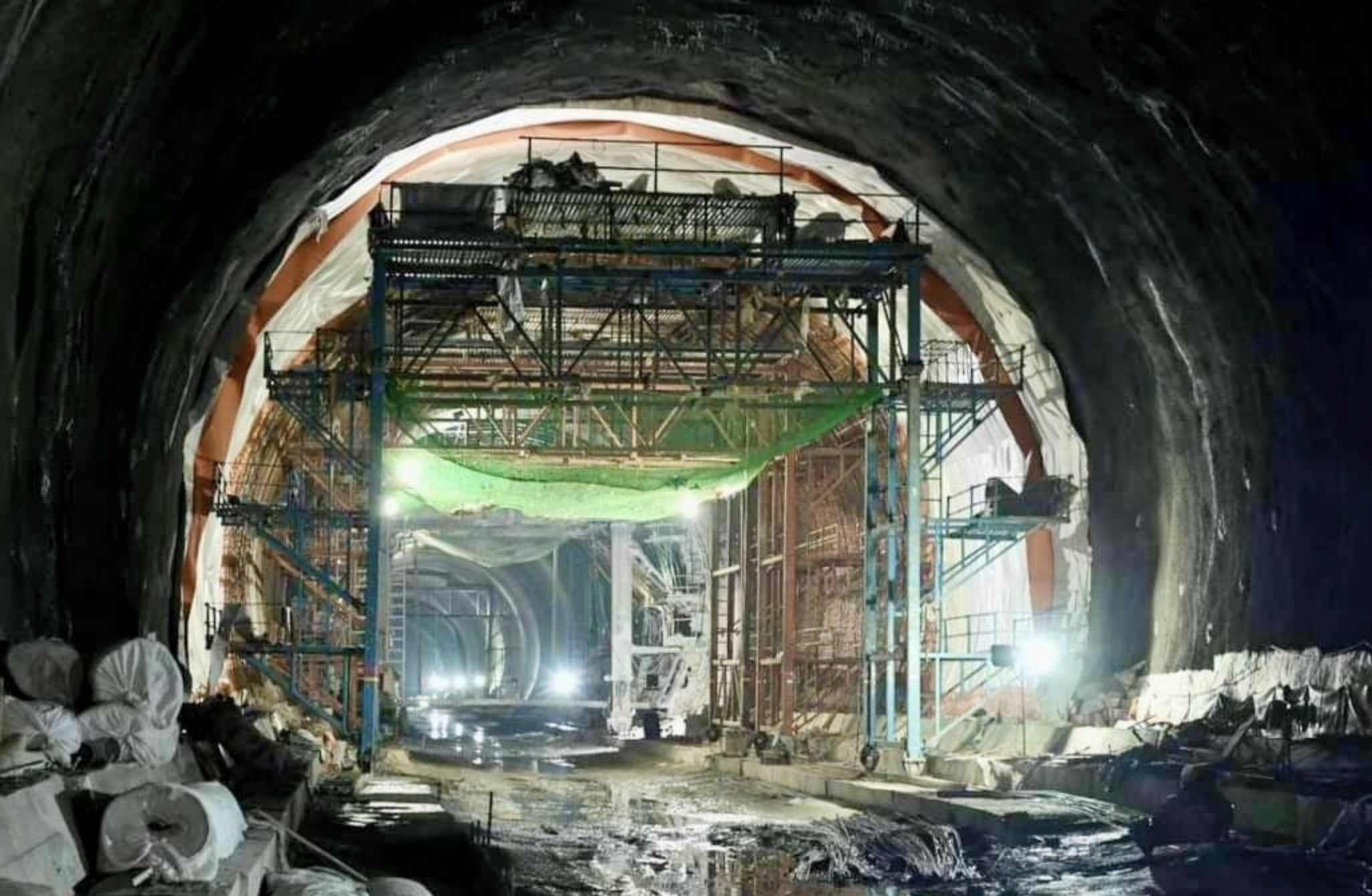
Several major expressways have been opened in phases prior to full completion, including the Chennai-Bengaluru, Delhi-Mumbai, Delhi-Katra, and Amritsar-Jamnagar corridors.
The new rule aims to ensure that toll pricing more accurately reflects the level of access currently available on such partially completed expressways.