In a major policy shift, the US Department of State has scrapped the Interview Waiver Programme (Dropbox facility) effective September 2, 2025. This move will require most non-immigrant visa applicants — including those applying for H-1B, L1, and F1 visas — to attend in-person interviews at US embassies or consulates.
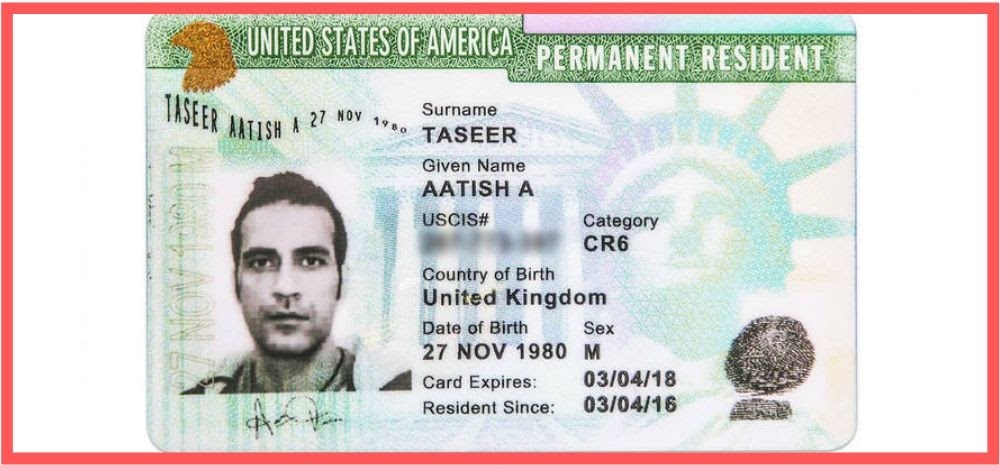
What Was the Dropbox Facility?
The Dropbox programme allowed eligible travellers to renew their visas by simply submitting documents at a designated centre, bypassing the in-person interview. For thousands of Indian tech professionals, this meant faster processing and fewer travel disruptions. Its withdrawal now threatens longer waits, travel delays, and risks of losing work authorisation if workers cannot return to the US in time.
Who Is Still Eligible for Interview Waivers?
While the programme is largely scrapped, a few categories remain exempt:
- Diplomatic and official visa holders (A-1, A-2, C-3 excluding attendants, G-1 to G-4, NATO categories).
- Applicants renewing B-1, B-2, or B1/B2 visas within 12 months of expiry, provided they were at least 18 when the prior visa was issued.
For most employment-based visas like H-1B and L1, however, in-person interviews will now be mandatory.
Impact on Indian Tech Workers
Indians account for the largest share of H-1B visas, securing 77% in 2022 and 72.3% in 2023. With the US ending the Dropbox option, experts warn of:
- Severe appointment delays at US consulates in India.
- Higher risk of job loss, as workers could lose work authorisation if they fail to return on time.
- Increased costs for companies and workers due to extended stays abroad.
According to immigration experts, processing that once took weeks under Dropbox may now take months, potentially disrupting Silicon Valley’s reliance on Indian talent.
Expert Reactions
Bill Hing, professor at the University of San Francisco, noted the policy “will entail delays and could be costly, as workers stuck abroad may miss work.” Immigration lawyer Kelli Duehning added that wait times in India could become “very, very long”, putting jobs at risk. Others urged applicants to plan early and ensure complete paperwork to avoid further delays.