From April 1, 2026, India’s updated labour framework is beginning to reflect in how gratuity, PF, and salary structures are calculated. While gratuity rules themselves haven’t been completely rewritten, the way your salary is structured and benefits are calculated has changed significantly.
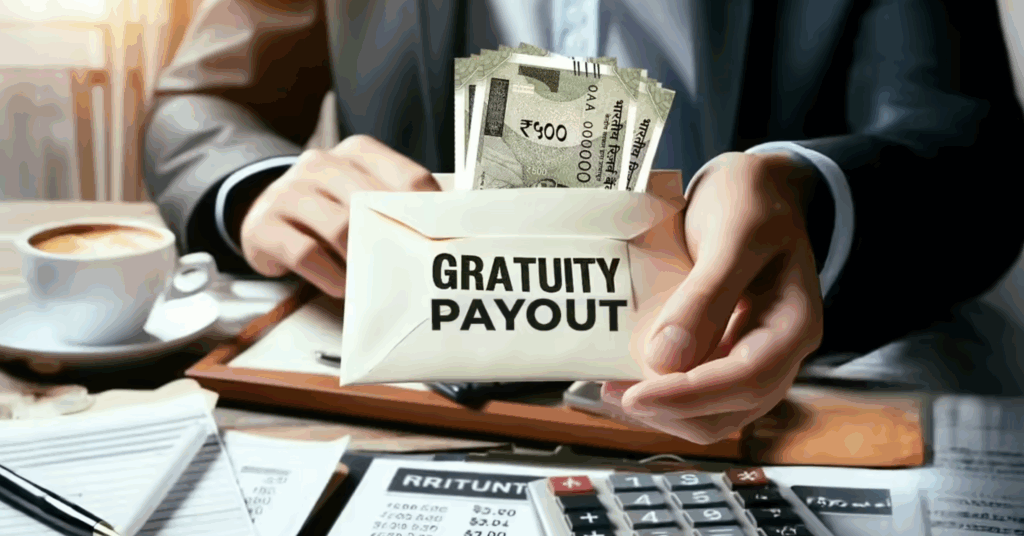
The Biggest Change: 50% Basic Salary Rule
The most important update comes from the new labour codes, which mandate that:
- Basic salary must be at least 50% of total CTC
Earlier, companies kept basic salary low and added allowances to increase take-home pay. Now, with a higher basic component:
- Gratuity calculations increase (since they depend on basic salary)
- PF contributions increase (12% of basic pay)
This directly impacts both your savings and your monthly salary.
Impact on Take-Home Salary
While the change improves long-term benefits, it may affect your immediate income:
- Higher PF deductions → lower in-hand salary
- Higher gratuity accrual → better retirement payout
In simple terms, you save more for the future—but receive slightly less cash each month.
Gratuity Amount Likely to Increase
Gratuity is calculated using:
Gratuity = (Last drawn salary × 15 × years of service) ÷ 26
Since “last drawn salary” now includes a larger basic component, the final gratuity payout increases.
- More basic salary = higher gratuity corpus
- Long-term employees benefit the most
Eligibility Rules: What Has Changed
There has been a lot of confusion around eligibility, so here’s the correct breakdown:
- Permanent employees:
- Still need 5 years of continuous service
- Fixed-term / contract employees:
- Now eligible after just 1 year of service
This is a major shift, especially for gig workers and contract-based roles.
No Change in Gratuity Formula or Limit
Some things remain unchanged:
- Formula for calculation stays the same
- Tax-free gratuity limit remains around ₹20 lakh (private sector)
- Payment must be made within 30 days of eligibility
Why the Government Introduced These Changes
The broader goal of these reforms is to:
- Standardize salary structures across companies
- Increase transparency in compensation
- Strengthen social security (PF, gratuity, retirement benefits)
Earlier, inconsistent salary definitions led to disputes and lower benefits. The new system aims to fix that.
What This Means for You
If you are a salaried employee:
- Your monthly take-home may reduce slightly
- Your PF and gratuity savings will increase
- Your retirement corpus becomes stronger
For contract workers:
- You now have gratuity protection even for shorter tenures
Bigger Picture: Shift from Cash to Long-Term Benefits
These changes reflect a structural shift:
- Earlier: Higher take-home, lower benefits
- Now: Lower take-home, higher long-term financial security
This aligns India’s labour system more closely with global standards.
Summary
From April 1, 2026, new labour rules increase the basic salary component to at least 50% of CTC, boosting gratuity and PF contributions. While this may slightly reduce take-home pay, it significantly increases retirement benefits. Permanent employees still need five years for gratuity, but contract workers now qualify after one year, improving overall social security coverage.