India plans to use artificial intelligence more widely across its power distribution networks to lower electricity bills for consumers and improve energy efficiency, according to Shashank Misra, Joint Secretary at the Ministry of Power.
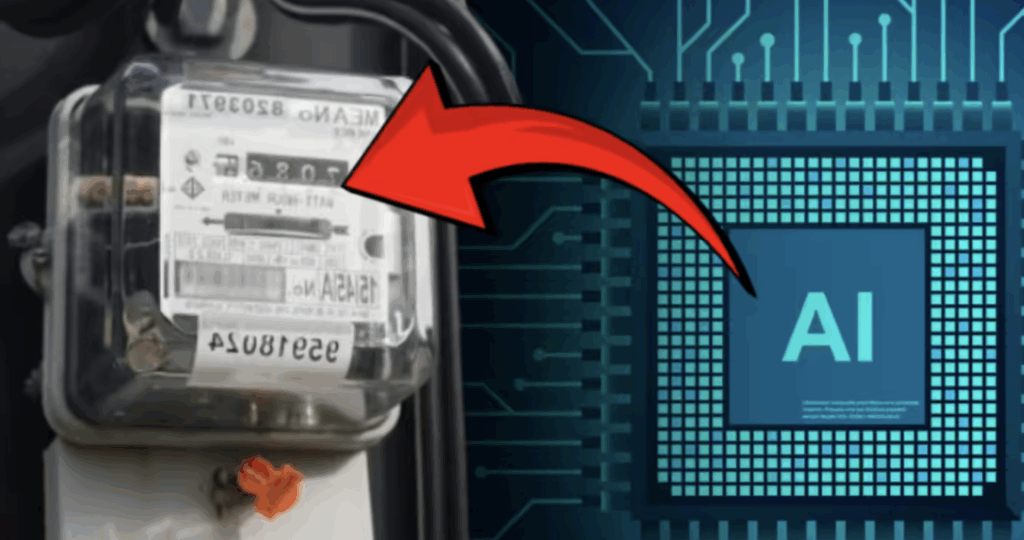
India Pushes AI in Power Distribution to Cut Bills and Boost Efficiency
Misra said at the National Conference on the Use of AI/ML in the Power Distribution Sector that the government wants AI tools to help distributors detect theft-prone areas with greater accuracy and respond faster.
He said, “The aim is to reduce the bill of consumers and better utilise the energy,” noting that AI can also help monitor daily usage and detect earth leakages inside homes.
According to Misra, AI-based analytics will help distribution companies identify unusual consumption patterns, conduct targeted field checks, and reduce technical and commercial losses, which currently raise operational costs for both utilities and consumers.
He also shared that the ministry is evaluating the use of large language models, including GPT-based systems, to enhance decision-making, automate administrative processes, and improve real-time monitoring in the sector.
Misra added that, “These technologies will allow us to act quicker and improve overall efficiency.”
At the same event, experts pointed out that India is in a unique position because it already has surplus power capacity, while the rapid growth of data centres is creating a new level of electricity demand.
India Seen as Future Global Power Market Leader through Energy Trading Potential
Experts said India could potentially become a global leader by treating electricity as a tradable commodity and proving it can meet both domestic and international demand.
Earlier in October, the government released a draft of the Electricity (Amendment) Bill, 2025, which is intended to make Indian industries and logistics more competitive by rationalising electricity prices and reducing hidden cross-subsidies.
The government has said the bill supports cost-reflective tariffs to ensure the financial stability of the power sector while fully safeguarding subsidised rates for low-income households and farmers.
The bill aims to build an electricity system that is modern, reliable, affordable, and capable of delivering high-quality power to all consumers, including households, farmers, industries, and small businesses.
Instead of the traditional monopoly-based supply model, the bill introduces a competition-focused approach where both public and private operators are encouraged to compete and improve service quality for consumers.
The proposed legislation also focuses on better utilisation of existing infrastructure, transparency, and accountability so that consumers receive greater value for the money they spend on electricity.