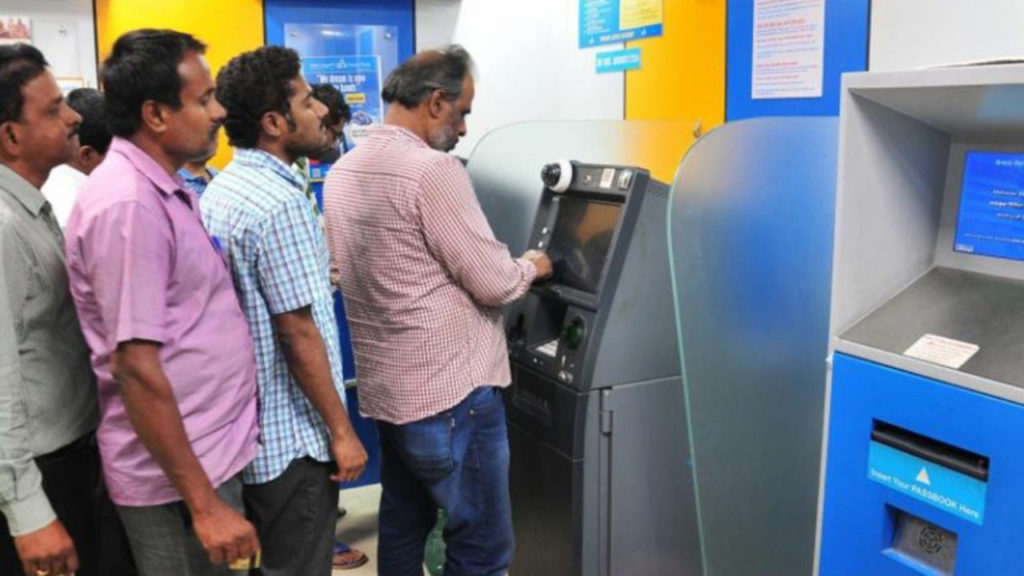
To tackle the long-standing shortage of small denomination currency notes in India, the government is exploring the introduction of hybrid ATMs and specialised cash-dispensing machines that can issue and exchange ₹10, ₹20 and ₹50 notes on demand. This initiative aims to make everyday cash transactions smoother in the face of the explosive growth of digital payments through platforms like UPI.
Why Small Notes Matter in a Digital Age
India’s digital payments ecosystem — led by the Unified Payments Interface (UPI) — has grown rapidly, with billions of transactions each month, pushing the country toward a digital-first economy. However, despite this digital boom, cash remains indispensable for many daily activities, especially in the informal economy and in areas where digital infrastructure is uneven. Small notes are crucial for low-value purchases such as tea, auto rides, small groceries, daily wages and other routine transactions.
Yet, cash users and merchants frequently struggle to get change for larger denominations such as ₹500 notes, leading to inconvenience and delays in payment.
What Hybrid ATMs Will Do
The government’s proposal includes two key innovations:
- Small-Denomination Cash Machines: New machines being piloted in Mumbai can dispense ₹10, ₹20 and ₹50 notes directly, instead of the usual larger denominations like ₹100 or ₹500. These could be placed at high-footfall locations such as transport hubs, markets, hospitals and government offices.
- Hybrid ATMs: These machines would not only dispense cash but also exchange large notes for smaller bills and coins in a single transaction — acting as both a withdrawal and change-making instrument. Such a model has already been trialled in a bank branch in Mumbai.
These hybrid machines would help resolve a “change crunch” that affects many cash users daily, making it easier to pay exact amounts without relying on others for change.
Balancing Cash and Digital Payments
The push for small notes comes at a time when digital payments — particularly UPI — dominate India’s payment landscape, reducing dependence on cash for many users. Yet, cash remains vital for semi-urban and rural populations, daily wage workers, and informal sector participants where smartphone penetration or internet connectivity may be limited.
To truly ease the shortage, the government may also encourage the Reserve Bank of India (RBI) to print more small denomination notes, ensuring a broader supply matches the new ATM capabilities.
Looking Ahead
As pilot projects in Mumbai progress, authorities are expected to review outcomes and decide on national deployment. If successful, hybrid ATMs could become a common feature across India, bridging gaps between digital and cash economies and making everyday transactions easier and more convenient for millions of users.