Goa—India’s most iconic beach destination—is now facing a serious environmental warning. A recent study by the National Institute of Oceanography (NIO) has revealed that several Goan beaches rank among the most contaminated along India’s western coastline, raising concerns about long-term ecological and public health impacts.
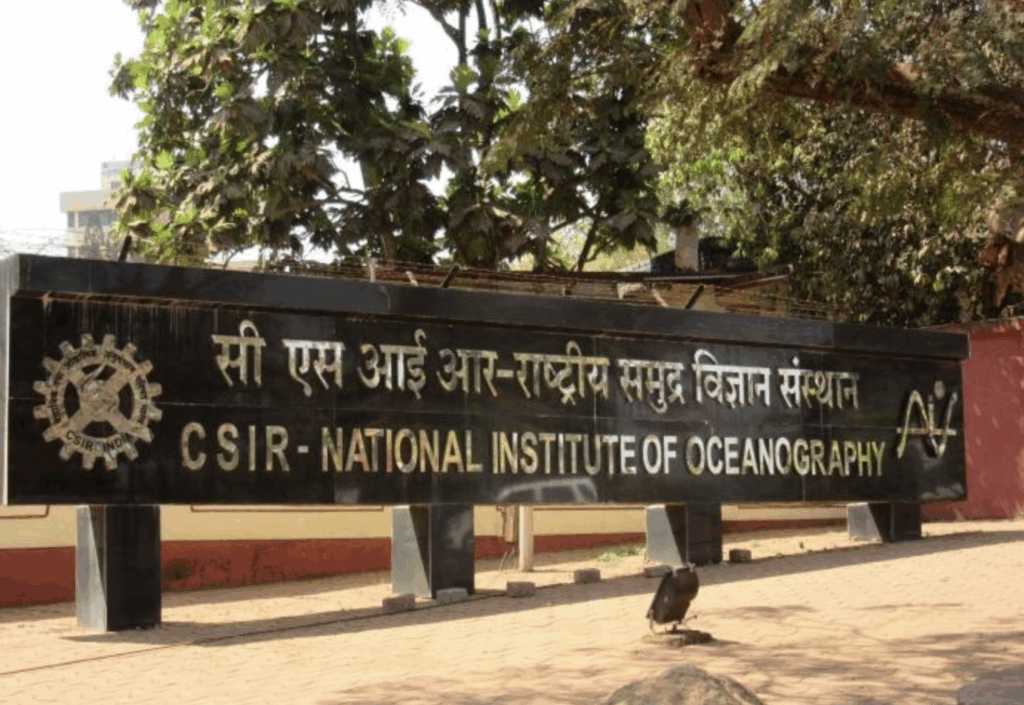
What the NIO Study Found
The NIO study analyzed samples from 14 beaches across Maharashtra, Goa, and Karnataka, focusing on pollution levels in microplastics. The findings were alarming.
Goa recorded the highest concentration of toxic Polycyclic Aromatic Hydrocarbons (PAHs)—ranging from 1.9 to 29,500 ng/g in plastic pellets, significantly higher than other regions.
These toxic chemicals are known to originate from petroleum products and combustion processes, making them dangerous contaminants in marine environments.
Why Microplastics Are a Bigger Threat
Microplastics—tiny plastic particles found across oceans—are acting as carriers of toxic pollutants.
Due to their small size and large surface area, these particles absorb harmful chemicals and transport them across marine ecosystems. Researchers noted that these plastics act as “effective carriers” of pollutants, increasing the spread of contamination.
This makes the problem more complex, as pollution is no longer localized—it travels with ocean currents.
Sources of Pollution Identified
The study highlights multiple human-driven causes behind the contamination:
- Petroleum spills
- Industrial and combustion-related activities
- Waste mismanagement and plastic pollution
The dominance of high-temperature combustion-related hydrocarbons suggests increasing industrial and urban impact along coastal regions.
Is It Dangerous for Humans?
Currently, the study indicates that pollution levels exceed Threshold Effect Levels (TEL) and Effects Range Low (ERL)—meaning there could be occasional biological impact.
However, levels are still below more severe danger thresholds, suggesting no immediate large-scale threat to humans or marine life.
That said, scientists warn that the long-term impact could be significant, especially if pollution continues unchecked.
Impact on Tourism and Coastal Economy
Goa’s economy is heavily dependent on tourism and fisheries.
Rising pollution levels could damage marine biodiversity, reduce beach quality, and impact tourist perception—posing a direct threat to the state’s economic backbone.
A Wake-Up Call for Coastal Management
The findings serve as a critical warning. Without stronger pollution control, waste management, and monitoring systems, Goa’s beaches could face irreversible damage.
The study emphasizes the need for urgent intervention and sustainable coastal practices to protect both the environment and livelihoods.