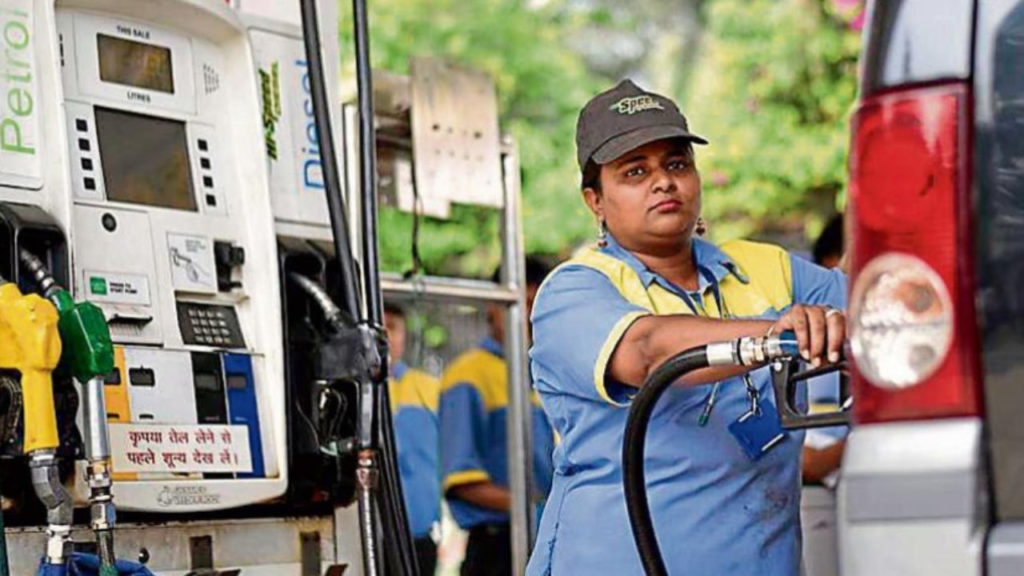
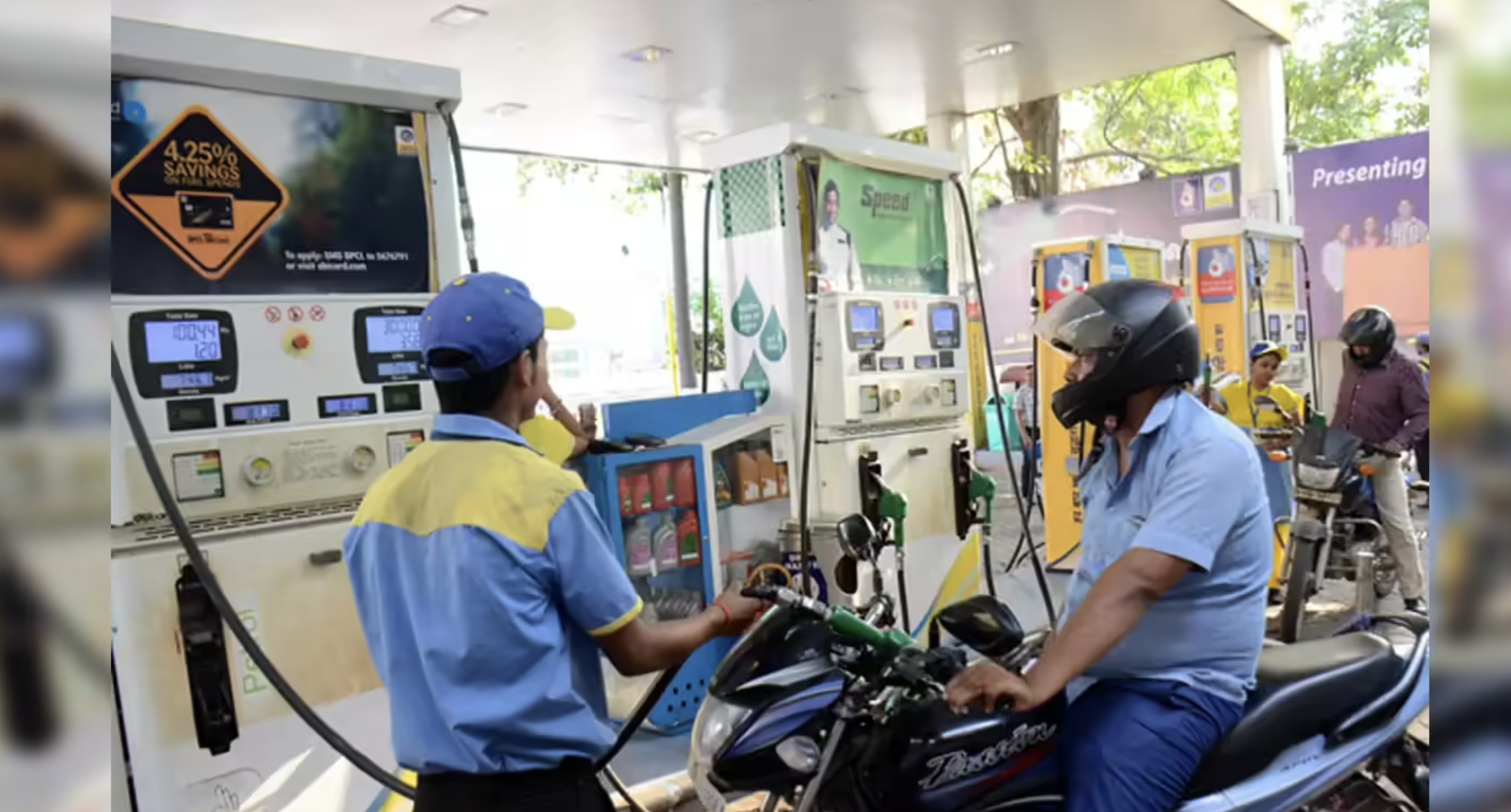
India has announced a ₹10 per litre cut in excise duty on petrol and diesel, a move that would typically signal cheaper fuel. However, this time, the impact on your wallet may not be as positive as it sounds.
What Exactly Has Changed?
The government has:
- Reduced special excise duty on petrol from ₹13 to ₹3 per litre
- Completely removed the ₹10 per litre duty on diesel
On paper, this is a major tax relief aimed at easing fuel costs and controlling inflation.
Change 1: Global Crude Prices Are Rising
The biggest reason you may not see lower prices is surging global crude oil prices.
- Ongoing geopolitical tensions, especially in the Middle East, have disrupted oil supply
- The Strait of Hormuz, a key oil route, is facing disruptions
- Crude prices have surged, increasing input costs for fuel companies
So, even if taxes are reduced, the base cost of fuel is rising, cancelling out the benefit.
Change 2: Oil Companies Are Under Pressure
Oil Marketing Companies (OMCs) are currently facing financial stress due to high crude prices.
- The duty cut helps offset 30–40% of their losses
- Instead of reducing retail prices, companies may use this relief to stabilize their margins
This means the benefit may go to oil companies first—not consumers immediately.
Change 3: Prices May Be Stabilized, Not Reduced
The real objective of the tax cut is price control, not price reduction.
- Without this cut, petrol and diesel prices could have risen sharply
- The government is essentially absorbing part of the price shock
So instead of prices falling, the move is preventing them from rising further.
Change 4: Temporary and Strategic Move
This decision is also influenced by broader economic and political factors:
- Helps control inflation during a volatile period
- Ensures fuel supply stability amid panic concerns
- May be timed to manage economic sentiment
This makes it more of a protective measure rather than direct relief.
Change 5: Indirect Impact Still Matters
Even if you don’t see immediate price cuts, there are indirect benefits:
- Prevents sudden spikes in fuel prices
- Helps control transportation and logistics costs
- Reduces inflation pressure on goods and services
So, the impact may be felt slowly across the economy, not instantly at petrol pumps.
What It Means for You
In simple terms:
- You may not see petrol or diesel prices drop immediately
- But without this move, prices could have been significantly higher
- The benefit is more about damage control than savings