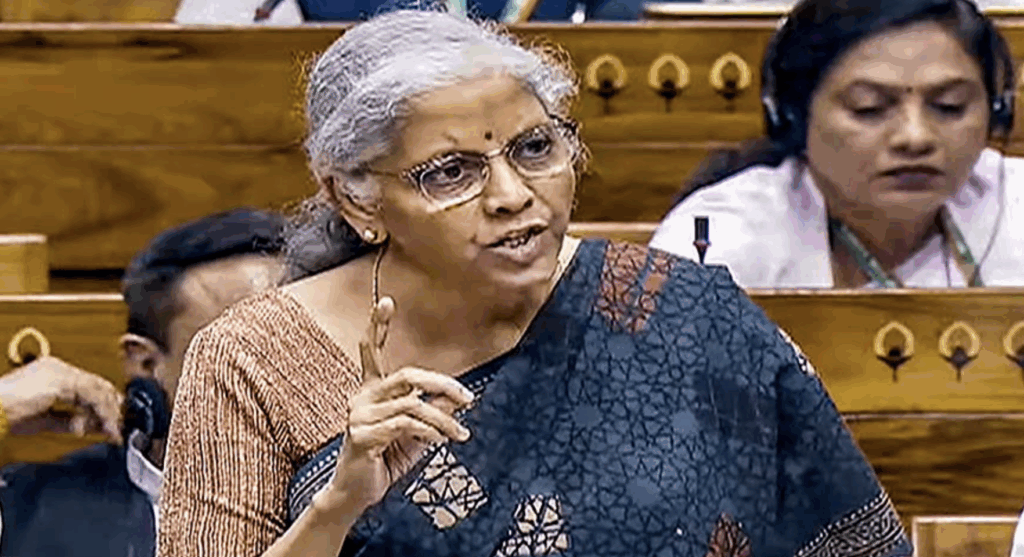
India is moving towards one of its most ambitious social reforms—universal health insurance coverage. Union Finance Minister Nirmala Sitharaman recently reaffirmed that health insurance is now a top government priority, with a clear goal: ensure coverage for every citizen by 2033.
This vision signals a major shift in how healthcare access and affordability are being addressed in the country.
A Rapidly Expanding Insurance Ecosystem
India’s health insurance sector has already witnessed significant growth. As of 2024–25, nearly 58 crore lives are covered under various insurance schemes, reflecting a massive expansion in reach.
The industry itself has scaled to over ₹1.17 lakh crore, with contributions coming from public insurers, private players, and standalone health insurance firms.
This growth indicates strong momentum—but also highlights the challenge ahead, as millions still remain uninsured.
The Challenges: Low Penetration and Awareness
Despite progress, India’s insurance penetration remains relatively low compared to global standards. The per capita premium in India stands at around $97, far below the global average of $943.
This gap reflects deeper structural challenges—limited awareness, affordability concerns, and accessibility issues, especially in rural and underserved areas.
Government’s Multi-Pronged Strategy
To bridge this gap, the government is deploying a mix of reforms and initiatives:
- Policy reforms: Increased FDI limits in insurance to attract investment and boost sector growth
- Regulatory push: New rules by IRDAI to improve rural coverage and compliance
- Affordability measures: GST exemptions on health insurance premiums to reduce costs
- Grassroots expansion: Focus on rural outreach and gram panchayat-level penetration
Schemes like Ayushman Bharat already provide coverage of up to ₹5 lakh per family for economically vulnerable groups, forming the backbone of this expansion strategy.
Inclusion at the Core
The government’s approach emphasizes inclusivity. From low-cost schemes like Pradhan Mantri Jeevan Jyoti Bima Yojana to expanding coverage for senior citizens, the aim is to ensure that even the most vulnerable populations are not left behind.
The push is not just about numbers—but about creating a resilient and equitable healthcare system.
The Road to 2033
Achieving universal health insurance by 2033 will require sustained collaboration between policymakers, insurers, and healthcare providers. While challenges remain, the current trajectory suggests a strong commitment to transforming India’s healthcare landscape.
If executed effectively, this initiative could redefine financial protection in healthcare—ensuring that no Indian has to choose between treatment and affordability.